
빠른 제작과 다양한 마감 옵션을 제공하는 박물관 품질의 지클레이 또는 캔버스 프린트. ( 손으로 그린 그림 구매 디지털 이미지로 전환)





























작품의 원본 비율을 유지하는 미리 설정된 크기 중에서 선택하세요.

특정 프레임이나 공간에 맞춰 직접 치수를 입력하실 수 있습니다. 선택하신 사이즈가 원본 이미지의 비율과 일치하지 않을 경우, 작품을 크롭(자르기)하거나 이미지를 대칭 또는 단색 채우기로 확장하여 제작합니다. 제작 시작 전, 최종 확인을 위해 디지털 목업이 전송됩니다.
화면상의 미리보기는 실제 크롭이나 확장 상태를 반영하지 않으므로, 최종 구도는 오직 목업을 통해서만 정확하게 확인하실 수 있습니다.
맞춤 사이즈 제작도 가능하지만, 원본 비율을 유지하기 위해서는 사전 정의된 목록에서 치수를 선택하시는 것을 권장합니다.

Man and flutist
복제본 크기
Pablo Picasso's "Man and Flutist," though shrouded in the mystery of its exact provenance and date, offers a captivating glimpse into the artist’s evolving style during a pivotal period. This seemingly simple composition—a man seated atop a horse, playing a flute while two figures observe from the periphery—is far richer in meaning than it initially appears. It's a tableau brimming with fragmented forms, distorted perspectives, and an underlying current of melancholy that speaks to Picasso’s lifelong fascination with human emotion and the complexities of existence.
The painting immediately draws the eye to the central figure, a man whose face is rendered in a deliberately unsettling manner. His features are disjointed, almost mask-like, hinting at a detachment from reality or perhaps an exploration of the duality of identity. The flute itself, held with a practiced hand, becomes a symbol of both artistic expression and a yearning for connection—a fragile instrument attempting to bridge the gap between the individual and the world around him. The horse, positioned squarely in the center, is not merely a mount but a grounding force, yet even its posture suggests a quiet resignation, mirroring the man’s own contemplative state.
“Man and Flutist” firmly establishes Picasso’s growing embrace of Cubism, though it predates his most radical explorations. Notice how the figures are broken down into geometric shapes—planes stacked upon planes—creating a sense of simultaneous viewpoints. This technique, revolutionary at the time, challenges traditional notions of representation, forcing the viewer to actively participate in constructing the image. The background is deliberately ambiguous, dissolving into a series of overlapping forms that further contribute to the painting’s unsettling atmosphere. Picasso masterfully employs this fragmentation not just for aesthetic effect but as a means of conveying psychological states—the feeling of being disoriented or fragmented within oneself.
Considering Picasso’s life during this period – marked by personal loss and political upheaval (particularly the Spanish Civil War) – “Man and Flutist” can be interpreted as a reflection of the anxieties and uncertainties of the era. The two figures in the background, though partially obscured, represent the silent observers, perhaps witnesses to the man’s internal struggles or simply participants in a shared moment of quiet contemplation. The painting resonates with themes of isolation, melancholy, and the search for meaning—emotions that were increasingly prevalent in European art during the early 20th century.
Furthermore, Picasso's exploration of the human figure, particularly through his use of distorted features and fragmented forms, aligns with a broader artistic trend seeking to capture the complexities of the modern psyche. “Man and Flutist” is not simply a depiction of a man playing a flute; it’s a powerful meditation on the nature of existence itself—a testament to Picasso's enduring ability to distill profound emotions into deceptively simple visual forms.
WahooArt.com offers meticulously crafted, hand-painted reproductions of “Man and Flutist,” allowing you to experience the depth and nuance of Picasso’s masterpiece in your own space. Our skilled artisans replicate the painting's distinctive style and color palette with exceptional accuracy, ensuring that your reproduction captures the essence of this iconic work. Whether you are an art collector, interior designer, or simply a lover of fine art, our reproductions provide a beautiful and authentic way to bring Picasso’s vision into your home. Explore our range of sizes and canvas materials to find the perfect addition to your collection – a timeless piece that speaks volumes about human emotion and artistic innovation.

1881 - 1973 , 스페인

Explore the profound evolution of Cubism through an expert analysis of Pablo Picasso's revolutionary works. From Analytical to Synthetic Cubism, discover the techniques that redefined modern art and learn how to curate these iconic masterpieces for your private collection.

Embark on a sophisticated exploration of Spanish art history, from the chiaroscuro mastery of Velázquez to the profound shadows of Goya. Discover how the dramatic light and emotional depth of Spain's greatest masters continue to inspire collectors and connoisseurs today.
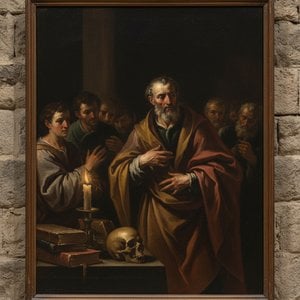
Explore the profound drama of Spanish Baroque art. Delve into the mastery of light, shadow, and realism through the legendary works of Diego Velázquez and the Spanish Golden Age.

Embark on a visual journey through the romantic world of horse carriage art. Discover the mastery of equestrian oil paintings, from Impressionist textures to classical realism, and learn how to bring timeless elegance into your home with museum-quality reproductions.

Immerse yourself in the majesty of equestrian art. Discover museum-quality, hand-painted horse reproductions and bespoke commissions that capture the power and grace of the equine form. Perfect for discerning collectors seeking timeless elegance and unparalleled craftsmanship.


 미리보기
미리보기
 공유하기
공유하기 공유하기
공유하기
 상세 정보
상세 정보

 다운로드
다운로드
 유사 작품
유사 작품 X-레이
X-레이 슬라이드 쇼
 통계 정보
통계 정보
 더 보기
더 보기









 유리 옵션은 110cm 미만 크기에서만 선택 가능합니다.


