이 페이지에 표시된 작품은 저작권법의 보호를 받으며, 이에 따라 동일한 복제품을 제작하거나 판매하는 것은 법으로 금지되어 있습니다. 이러한 권리 보호는 다음과 같은 국제 협약에 따라 시행됩니다. 베른 협약 또한 다음에서 명시하는 법률을 포함한 국내법에 의해 보호됩니다. 미국 저작권법 제17조.
이 방식은 저작권 보호를 받는 예술 작품을 복제하거나 그대로 재현하는 것이 아니기에 저작권 규정을 완벽히 준수합니다. 대신, 이는 창의적인 재해석의 과정을 거칩니다. 즉, 원작에서 영감을 받되 원작과 동일하지 않은 새로운 회화 작품을 의미합니다.
빠른 제작과 다양한 마감 옵션을 선택할 수 있는 박물관 수준의 지클레이 및 캔버스 프린트. ( 수작업 채색 복제본 주문하기 디지털 이미지 판매 채널로 전환)





























작품의 원본 비율을 그대로 유지하는 프리셋 사이즈 중에서 선택해 보세요.

액자나 벽면 크기에 맞춰 필요한 가로와 세로 길이를 입력해 주세요. 프린트는 원본 이미지보다 크게 제작할 수 없으며 오직 자르는 것만 가능하므로, 비율이 다른 사이즈를 선택할 경우 이미지의 일부가 잘려 나갈 수 있습니다. 인쇄 작업에 들어가기 전, 최종 확인을 위해 디지털 목업을 보내드립니다. 이 페이지에 표시된 이미지는 실제 잘리는 영역을 나타내지 않으며, 오직 목업을 통해서만 정확한 확인이 가능합니다.
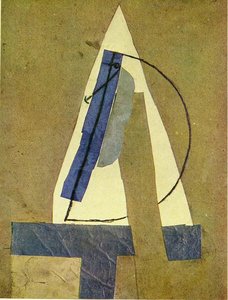
Head 1
복제본 규격
Pablo Picasso's "Head," painted in 1929, isn’t merely a portrait; it’s a distilled essence of the artist’s revolutionary approach to representation. This deceptively simple work, housed within the Berardo Collection Museum in Lisbon, offers a profound glimpse into the heart of Cubism and its lasting influence on modern art. The painting immediately confronts the viewer with an intensely concentrated image – a close-up study of a face fractured and rebuilt according to Picasso’s radical vision. It's a deliberate rejection of traditional perspective and a bold assertion of the artist’s subjective experience of reality.
The technique employed is characteristic of Picasso’s mature Cubist style. Geometric shapes – sharp angles, interlocking planes, and fragmented forms – dominate the composition. The face isn’t rendered as a unified whole but rather as a collection of distinct elements, each presented simultaneously from multiple viewpoints. This creates an unsettling yet captivating effect, forcing the viewer to actively engage with the image and reconstruct it mentally. Notice how the nose is broken into angular shards, the eyes are reduced to simplified geometric forms, and the mouth appears almost like a mask. The use of black and white further amplifies this sense of deconstruction, stripping away any potential for illusionistic depth or color-based distraction.
Interestingly, Picasso’s exploration of this fractured portrait style began during a summer in 1909 at Horta de Ebro, a small town in northeastern Spain. During this period, he experimented with breaking down objects and figures into their basic geometric components – a technique that would become the cornerstone of Cubism. The “Head” can be seen as a direct descendant of these early studies, retaining a raw energy and immediacy that reflects its origins. The Metropolitan Museum of Art’s online record highlights this connection, noting the faceting evident in the work's construction, mirroring Picasso’s initial explorations with Fernande Olivier, his companion at the time.
It’s crucial to understand that Picasso wasn’t simply dismantling forms; he was actively challenging the very notion of representation. He sought to capture not just *what* something looked like but *how* it appeared – its essence – through a multiplicity of perspectives. This shift in focus marked a radical departure from traditional Western art, which had long prioritized realistic depiction and illusionistic space.
While the precise meaning behind “Head” remains open to interpretation, several symbolic elements contribute to its emotional depth. The intense gaze of the subject – often interpreted as a self-portrait – conveys a sense of vulnerability and introspection. There’s an undeniable melancholy woven into the composition, perhaps reflecting Picasso's personal experiences with loss and mortality, themes that frequently surfaced in his work following the death of his sister. The simplification of features suggests a focus on fundamental human qualities—strength, resilience, and perhaps even a hint of suffering – rather than superficial appearances.
Furthermore, the monochromatic palette contributes to the painting’s somber mood. The absence of color allows the viewer to concentrate solely on the formal elements of the composition: the interplay of shapes, lines, and planes. This deliberate restraint amplifies the work's emotional impact, creating a powerful and enduring image that continues to resonate with audiences today.
WahooArt offers meticulously crafted hand-painted reproductions of Picasso’s “Head,” allowing art lovers to experience this iconic masterpiece in stunning detail. Our skilled artists replicate the nuances of Picasso's technique, capturing the fragmented forms and emotional intensity with remarkable accuracy. Whether you are a collector seeking an authentic addition to your collection or an interior designer aiming to infuse your space with artistic inspiration, our reproductions provide a beautiful and accessible way to connect with one of the 20th century’s most influential artists. Explore the available options and bring this captivating portrait into your world.
예술적 혁신의 대명사인 파블로 루이스 피카소는 1881년 10월 25일 스페인 말라가에서 태어났습니다. 그의 존재 자체가 이미 창조적 표현을 위해 예정된 듯했습니다. 전해지는 이야기에 따르면, 그가 처음 내뱉은 말은 '연필'을 뜻하는 “piz, piz”였다고 합니다. 이러한 초기 예술적 성향은 화가이자 미술 교사였던 그의 아버지 호세 루이스 블라스코의 지도 아래 다져졌으며, 어린 파블로에게 기초적인 훈련을 제공했습니다. 그러나 제자는 곧 스승을 뛰어넘어, 내면에 잠재된 천재성을 암시하는 놀라운 사실주의적 묘사 능력을 보여주었습니다. 이후 가족이 아 코루냐를 거쳐 바르셀로나로 이주하는 과정에서 겪은 개인적인 비극, 특히 누이의 죽음과 같은 경험들은 그의 후기 작품 속에 우울함과 죽음이라는 주제를 미묘하게 스며들게 했습니다. 바르셀로나 미술 학교와 마드리드의 산 페르난도 왕립 아카데미에서의 정규 교육 과정 중에도 피카소는 경직된 학문적 제약에 저항하며, 대신 벨라스케스와 고야 같은 거장들의 작품에 몰입함으로써 예술적 혁신을 향한 자신만의 길을 개척해 나갔습니다.
20세기 초반은 피카소의 작품 세계에서 두 가지 뚜렷한 시기가 나타난 때였습니다. 바로 ‘푸른 시대(약 1901-1904)’와 ‘장밋빛 시대(1904-1906)’입니다. 개인적인 고난과 사회적 고통에 대한 깊은 인식을 바탕으로 탄생한 푸른 시대는 어두운 푸른색과 청록색이 지배하는 회화로 특징지어집니다. 이 시기의 작품들에는 구걸하는 이들, 눈먼 이들, 매춘부와 같은 소외된 인물들이 등장하며, 고립과 절망이라는 주제를 관통하는 잊을 수 없는 공감을 불러일으킵니다. 라 비(La Vie)(1903)와 낡은 기타리스트(The Old Guitarist)(1903-1904)는 이 감정적으로 격앙된 단계의 가슴 아픈 예시입니다. 이후 피카소의 개인적인 삶의 변화와 파리로의 이주는 장밋빛 시대의 도래를 알렸습니다. 팔레트는 분홍색, 주황색, 빨간색을 품으며 훨씬 따뜻해졌고, 이는 더욱 낙관적인 전망을 반영했습니다. 이 시기에는 광대, 곡예사, 서커스 단원들과 같이 연약함과 회복력을 동시에 상징하는 인물들에 대한 매료가 나타났습니다. 곡예사 가족(Family of Saltimbanques)(1905)은 이러한 변화를 아름답게 압축하며, 앞으로 펼쳐질 양식적 탐구의 전조를 보여줍니다.
1907년은 아비뇽의 처녀들(Les Demoiselles d'Avignon)의 탄생과 함께 미술사에서 결정적인 전환점을 맞이했습니다. 이 획기적인 작품은 이베리아 조각과 아프리카 가면의 영향을 받아, 전통적인 원근법과 재현의 개념을 산산조약 냈습니다. 이는 수 세기 동안 이어져 온 관습에 대한 의도적인 거부이자 급진적인 탈피였으며, 입체주의(Cubism)로 가는 길을 닦았습니다. 조르주 브라크와 긴밀히 협력하며 피카소는 이 혁명적인 운동을 공동 창시하였고, 예술가들이 현실을 인식하고 묘사하는 방식을 근본적으로 바꾸어 놓았습니다. 분석적 입체주의(1909-1912)는 대상을 기하학적 형태로 파편화하여 마치 형태 자체를 해부하듯 차분한 색조로 표현했습니다. 이는 이후 종합적 입체주의(1912-1919)로 진화하였는데, 신문 스크랩이나 천 조각 같은 콜라주 요소를 도입하여 질감과 시각적 복잡성의 새로운 층위를 더했습니다. 피카소는 단순히 세상을 재현하는 것에 만족하지 않았습니다. 그는 세상을 해체하고 자신만의 방식으로 재구성하고자 했습니다.
1920년대에 피카소는 신고전주의 양식을 잠시 탐구하며, 고전적인 형태를 반영하면서도 뚜렷하게 현대적인 감각을 유지하는 기념비적인 인물들을 만들어냈습니다. 동시에 그는 급성장하던 초현실주의 운동과 교류하였으나, 그 원칙에 완전히 귀속되지는 않았습니다. 이 시기의 작품들은 초기 양식적 영향과 초현실적인 이미지, 왜곡된 원근법을 결합하며 그의 끊임없는 실험 정신을 보여주었습니다. 스페인 내전의 참상은 피카소에게 깊은 영향을 미쳤고, 이는 결국 게르니카 폭격에 대한 처절하고 감정적으로 파괴적인 응답인 게르니카(Guernica)(1937)의 탄생으로 이어졌습니다. 이 기념비적인 작품은 전쟁의 만행을 상징하는 영원한 상징이 되었으며, 피카소를 단순한 예술가를 넘어 평화와 사회 정의를 위한 강력한 목소리를 가진 인물로 각인시켰습니다. 1950년대와 60년대에 걸쳐 그는 도자기, 조각, 판화를 탐구하며 변함없는 호기심과 기술로 경계를 계속해서 넓혀갔습니다. 1961년 자클린 로크와의 결혼은 그의 개인적 삶과 예술적 표현에 새로운 차원을 가져다주었습니다.
파블로 피카소는 1973년 4월 8일 프랑스 무쟁에서 세상을 떠났으며, 약 5만 점 이상으로 추정되는 경이로운 작품들을 남겨 오늘날까지도 우리를 매료시키고 영감을 주고 있습니다. 그의 예술적 발전은 벨라스케스와 고야 같은 스페인 거장들부터 이베리아 조각, 아프리카 미술, 그리고 앙리 마티스의 활기찬 색채 팔레트에 이르기까지 다양한 영향에 의해 형성되었습니다. 20세기 미술에 미친 그의 영향은 측정할 수 없을 만큼 거대합니다. 그는 입체주의를 공동 창시했고, 콜라주와 구성적 조각을 개척했으며, 예술적 관습에 끊임없이 도전했습니다. 피카소의 끈질긴 실험은 현대 미술을 재정의하며 후대의 예술가들에게 지울 수 없는 흔적을 남겼고, 역사상 가장 중요하고 영향력 있는 인물 중 하나로서 그의 위치를 공고히 했습니다. 그의 유산은 캔버스를 넘어 현대 문화의 수많은 측면에서 울려 퍼지며, 우리에게 예술적 비전이 가진 변혁적인 힘을 상기시켜 줍니다.

1881 - 1973 , 스페인

Explore the profound evolution of Cubism through an expert analysis of Pablo Picasso's revolutionary works. From Analytical to Synthetic Cubism, discover the techniques that redefined modern art and learn how to curate these iconic masterpieces for your private collection.

 실제 크기로 보기
 보내기
보내기 공유하기
공유하기
 상세 보기
상세 보기 가이드 보기

 이미지 다운로드
 유사 작품 더 보기
 X-레이
X-레이 슬라이드 쇼 보기
 통계 정보
통계 정보
 상세 보기
상세 보기









 유리 옵션은 110cm 미만 크기에서만 선택 가능합니다.