

 Acrylic On PaperPost-Impressionism
 1905
1905 28.0 x 21.0 cm
빠른 제작과 다양한 마감 옵션을 선택할 수 있는 박물관 수준의 지클레이 및 캔버스 프린트. ( 수작업 채색 복제본 주문하기 디지털 이미지 판매 채널로 전환)





























작품의 원본 비율을 그대로 유지하는 프리셋 사이즈 중에서 선택해 보세요.

특정 프레임이나 공간에 맞춰 직접 치수를 입력하실 수 있습니다. 선택하신 사이즈가 원본 이미지의 비율과 일치하지 않을 경우, 작품을 크롭(자르기)하거나 이미지를 대칭 또는 단색 채우기로 확장하여 제작합니다. 제작 시작 전, 최종 확인을 위해 디지털 목업이 전송됩니다.
화면상의 미리보기는 실제 크롭이나 확장 상태를 반영하지 않으므로, 최종 구도는 오직 목업을 통해서만 정확하게 확인하실 수 있습니다.
맞춤 사이즈 제작도 가능하지만, 원본 비율을 유지하기 위해서는 사전 정의된 목록에서 치수를 선택하시는 것을 권장합니다.

Harlequin's family
복제본 규격
Pablo Picasso's "Harlequin’s Family," painted in 1905, isn’t merely a depiction of a scene; it’s a carefully constructed emotional landscape. Emerging from the vibrant hues of his Rose Period, this gouache on paper work—measuring a modest 28 x 21 cm—offers a poignant glimpse into the artist's evolving exploration of symbolism and human experience. The painting immediately draws the eye to the central figure: a man adorned in the iconic costume of Harlequin, a character deeply rooted in the traditions of commedia dell’arte. This isn’t simply a playful jester; Picasso imbues the harlequin with a complex duality – a representation of both exuberant joy and underlying melancholy, a characteristic that would become increasingly prominent throughout his career.
To understand “Harlequin’s Family,” it's crucial to situate it within Picasso’s artistic journey. Following the intensely somber Blue Period, which reflected on themes of poverty and loss, came the Rose Period. This shift marked a move towards brighter colors – predominantly pinks, oranges, and reds – and a fascination with the world of circus performers and acrobats. The harlequin, with his patchwork costume and exaggerated features, became a recurring motif, embodying both the spectacle and the inherent loneliness often associated with these itinerant artists. Picasso found in their transient existence a reflection of his own unsettled state, a sense of being perpetually on the margins.
The composition itself is deliberately arresting. The harlequin, holding a baby with tender care, stands in stark contrast to the woman beside him, whose expression suggests contemplation or perhaps quiet sadness. This juxtaposition of emotions—joyful exuberance versus subdued melancholy—is central to the painting’s power. Picasso masterfully employs color and form to amplify this tension. The bright, almost jarring colors of the harlequin's costume – reds, yellows, blues – are set against the more muted tones of the background figures and the paper itself. The white face with black accents, a characteristic feature of the harlequin’s mask, further emphasizes his role as a figure both familiar and slightly unsettling.
Beyond its immediate visual appeal, “Harlequin’s Family” is rich in symbolism. The harlequin, as Picasso often used it, became a potent symbol of himself – representing not just the artist but also his own feelings of isolation, his connection to the world of art, and his struggle to reconcile joy with sorrow. The baby he holds can be interpreted as a representation of innocence or perhaps even a yearning for familial stability, themes that resonated deeply within Picasso’s personal life. The two figures in the background, partially obscured, add another layer of mystery, suggesting a broader family dynamic—perhaps hinting at the artist's own complex relationships.
Painted during a period of significant artistic experimentation, “Harlequin’s Family” exemplifies Picasso’s embrace of Post-Impressionism. The use of gouache allows for bold washes of color and a sense of immediacy that contrasts with the more meticulous techniques of earlier periods. This work is not just a beautiful image; it's a window into the mind of one of art history’s most revolutionary figures, offering a glimpse into his emotional world and artistic process.

1881 - 1973 , 스페인

Discover the breathtaking allure of Art Deco. Explore the era's iconic geometry, legendary designers like Erté, and timeless glamour. Perfect for discerning collectors seeking to infuse their spaces with sophisticated modernist elegance and historical prestige.
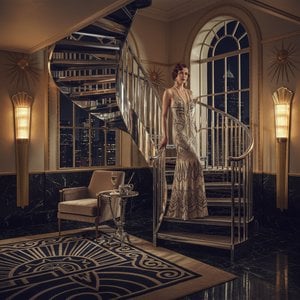
Discover the allure of Art Deco style with our expert guide to luxury interiors. Explore iconic influences from Erté to Jean Dunand and learn to curate a sophisticated space filled with timeless glamour and geometric elegance.
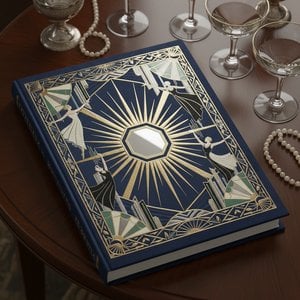
Discover the allure of Art Deco through a curated guide to its most iconic masterpieces. Explore the elegance of Erté and the innovation of Jean Dunand, perfect for collectors seeking timeless glamour and sophisticated design inspiration.
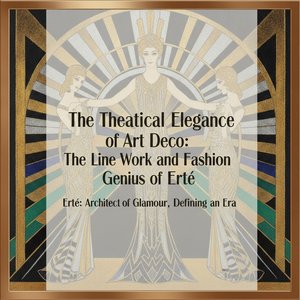
Discover the unparalleled elegance of Art Deco through the lens of Erté. Explore a masterclass in linear precision, theatrical costume design, and high-fashion illustration that continues to define modern luxury and sophisticated interior aesthetics.

 실제 크기로 보기
 보내기
보내기 공유하기
공유하기
 상세 보기
상세 보기 가이드 보기

 이미지 다운로드
 유사 작품 더 보기
 X-레이
X-레이 슬라이드 쇼 보기
 통계 정보
통계 정보 상세 보기
상세 보기









 유리 옵션은 110cm 미만 크기에서만 선택 가능합니다.


