
원하는 크기와 액자로 주문 제작되는, 작가들이 직접 캔버스에 손으로 그린 유화 작품입니다. ( 프린트 판매로 전환 디지털 이미지로 전환)





























작품의 원본 비율을 유지하는 미리 설정된 크기 중에서 선택하세요.

특정 프레임이나 공간에 맞도록 직접 크기를 입력할 수 있습니다. 선택하신 크기가 원본 이미지의 비율과 일치하지 않는 경우, 작품을 자르거나 추가적인 손으로 그린 요소를 사용하여 그림을 확장합니다. 제작 시작 전 승인을 위해 디지털 목업을 보내드립니다.
화면 미리 보기는 실제 자르기 또는 확장을 반영하지 않습니다. 최종 구성은 목업을 통해서만 정확하게 확인하실 수 있습니다.
맞춤 크기 제작도 가능하지만, 원본 비율을 유지하기 위해 사전 정의된 목록에서 크기를 선택하시는 것을 권장합니다.

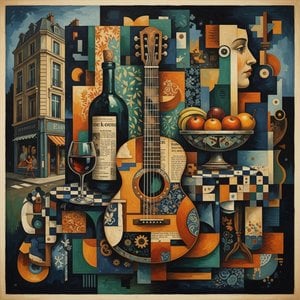
Guitar on pedestal
복제본 크기
Pablo Picasso’s “Guernica,” completed in response to the devastating bombing of the Basque town during the Spanish Civil War, transcends mere representation; it is an enduring monument to human suffering and a potent indictment of violence. Painted in stark monochrome – shades of grey, black, and white – the monumental canvas (11 ft 6 in x 25 ft 8 in) immediately commands attention, its fragmented forms and distorted figures evoking a visceral sense of chaos and despair. The painting’s power lies not in literal depiction but in its masterful manipulation of symbolism and emotional resonance, transforming a specific historical event into a universal lament for the victims of war.
Picasso deliberately eschewed color, believing it would detract from the raw emotion he sought to convey. This decision, coupled with the use of Cubist techniques – breaking down forms into geometric shapes and presenting multiple perspectives simultaneously – creates an unsettling and disorienting effect, mirroring the confusion and trauma experienced by those caught in the bombing’s wake. The composition itself is carefully orchestrated: a central pyramid formed by the fallen warrior and the screaming woman cradling her dead child anchors the scene, while figures writhe in agony across the canvas, their faces contorted with terror and grief.
Within “Guernica,” Picasso employs a rich tapestry of symbolic imagery. The wounded horse, its body pierced by a spear, represents the suffering of the innocent – a powerful symbol of Spain itself. A bull, often interpreted as representing brutality and darkness, stands impassively amidst the carnage, while a terrified woman fleeing with her child embodies vulnerability and desperation. A single light bulb, resembling an all-seeing eye, casts a harsh glare upon the scene, suggesting both divine judgment and the relentless scrutiny of history.
The painting’s genesis is inextricably linked to the specific event it commemorates: the bombing of Guernica by Nazi German and Fascist Italian warplanes on April 26, 1937. This act of aggression targeted civilians and served as a testing ground for new aerial warfare tactics – a chilling foreshadowing of the horrors that would unfold during World War II. Picasso’s decision to create “Guernica” was an immediate response, driven by outrage and a desire to expose the barbarity of war to the world.
“Guernica” is a pivotal work in Picasso's oeuvre and a cornerstone of 20th-century art. It exemplifies the principles of Synthetic Cubism, a style that emerged from Analytic Cubism’s earlier exploration of form and perspective. In Synthetic Cubism, artists began to incorporate elements of collage – fragments of newspaper, wallpaper, and other materials – into their paintings, blurring the boundaries between painting and reality. This technique is subtly present in “Guernica,” with its fragmented forms and sense of dislocation.
Picasso’s masterful use of line, shadow, and texture further enhances the painting's emotional impact. The jagged lines and sharp angles create a feeling of instability and violence, while the stark contrasts between light and dark amplify the drama. The overall effect is one of overwhelming intensity – a testament to Picasso’s ability to transform personal tragedy into a universal symbol of human suffering.
“Guernica” remains profoundly relevant today, serving as a stark reminder of the devastating consequences of war and violence. Its enduring power lies not only in its artistic merit but also in its moral message – a plea for peace and an indictment of those who perpetrate acts of cruelty. Reproductions of this iconic artwork offer a powerful opportunity to engage with history, contemplate the human condition, and reflect on our shared responsibility to prevent future atrocities. It’s more than just a painting; it's a call to conscience.

1881 - 1973 , 스페인

Embark on a journey through the revolutionary world of Cubism. Discover how masters like Picasso redefined perspective through Analytical and Synthetic techniques in this expert-led guide for art enthusiasts and collectors.
Master the vibrant world of Synthetic Cubism with our expert guide. Explore the revolutionary techniques of Picasso and Braque, from collage to color, and discover how this movement redefined modern art for collectors and connoisseurs alike.

Unveil the radical revolution of Cubism. Explore how masters like Picasso and Braque redefined modern art through fragmented forms and geometric abstraction, offering profound insights for discerning collectors of fine art history and masterpieces.

Explore the profound evolution of Cubism through an expert analysis of Pablo Picasso's revolutionary works. From Analytical to Synthetic Cubism, discover the techniques that redefined modern art and learn how to curate these iconic masterpieces for your private collection.

Master the complexities of Cubism with our expert guide for collectors. Explore the revolutionary forms of Picasso, distinguish between Analytical and Synthetic styles, and learn to integrate these profound geometric aesthetics into your private art collection.


 미리보기
미리보기
 공유하기
공유하기 공유하기
공유하기
 상세 정보
상세 정보

 다운로드
다운로드
 유사 작품
유사 작품 X-레이
X-레이 슬라이드 쇼
 통계 정보
통계 정보

 더 보기
더 보기









 유리 옵션은 110cm 미만 크기에서만 선택 가능합니다.


