
 Expressionism
 1904Early Modern
 46.0 x 37.0 cm
빠른 제작과 다양한 마감 옵션을 제공하는 박물관 품질의 지클레이 또는 캔버스 프린트. ( 손으로 그린 그림 구매 디지털 이미지로 전환)





























작품의 원본 비율을 유지하는 미리 설정된 크기 중에서 선택하세요.

특정 프레임이나 공간에 맞춰 직접 치수를 입력하실 수 있습니다. 선택하신 사이즈가 원본 이미지의 비율과 일치하지 않을 경우, 작품을 크롭(자르기)하거나 이미지를 대칭 또는 단색 채우기로 확장하여 제작합니다. 제작 시작 전, 최종 확인을 위해 디지털 목업이 전송됩니다.
화면상의 미리보기는 실제 크롭이나 확장 상태를 반영하지 않으므로, 최종 구도는 오직 목업을 통해서만 정확하게 확인하실 수 있습니다.
맞춤 사이즈 제작도 가능하지만, 원본 비율을 유지하기 위해서는 사전 정의된 목록에서 치수를 선택하시는 것을 권장합니다.

A simple meal
복제본 크기
Pablo Picasso’s “A Simple Meal,” etched in 1904 during his pivotal Blue Period, is far more than a depiction of two figures sharing a meager repast. It's a raw and profoundly moving exploration of human vulnerability, hardship, and the quiet dignity found within shared struggle. This artwork, now rendered as a meticulously hand-painted reproduction, offers a window into Picasso’s genius and the emotional depth he brought to his work during this intensely personal period.
The composition of “A Simple Meal” is strikingly direct. The two figures, a man and a woman, dominate the frame, positioned close together – a deliberate gesture suggesting intimacy born of shared adversity. Picasso’s masterful use of etching technique—scratching lines into a metal plate and then meticulously transferring them to paper—creates an astonishing level of detail and texture. Notice the extensive hatching and cross-hatching, particularly evident in their faces and hands. These techniques aren't merely representational; they actively contribute to the artwork’s emotional impact, building up layers of gray tones that simulate rough skin and worn clothing, amplifying the sense of poverty and despair.
The sparse arrangement of objects – a bottle of wine, bowl, cup, fork, and knife – transcends mere still life. They become potent symbols of scarcity and deprivation. The figures’ gaunt appearances and downcast expressions convey a palpable sense of sadness, resignation, or perhaps even despair. Picasso deliberately flattened the perspective, eliminating depth to create a direct, almost confrontational connection with the viewer. This technique intensifies the emotional impact, forcing us to engage directly with the subjects' plight. The lighting, originating from an unseen source, casts dramatic shadows that further emphasize the angularity of their forms, reinforcing the artwork’s overall mood of melancholy and unease.
"A Simple Meal" is a quintessential example of Picasso's Blue Period (1901-1904), a time deeply influenced by personal tragedy – the death of his sister, prematurely. This period saw him exploring themes of poverty, isolation, and human suffering with an unflinching honesty. The monochromatic palette—a carefully controlled range of grays—was not simply aesthetic; it was a deliberate choice to evoke a sense of somberness and emotional intensity. As one of the last works from this era, “A Simple Meal” offers a poignant glimpse into Picasso’s artistic evolution and his profound engagement with the human condition. Its enduring power lies in its ability to resonate with viewers across generations, prompting reflection on themes of hardship, resilience, and the quiet beauty found even in moments of despair.


1881 - 1973 , 스페인

Unveil the radical revolution of Cubism. Explore how masters like Picasso and Braque redefined modern art through fragmented forms and geometric abstraction, offering profound insights for discerning collectors of fine art history and masterpieces.

Explore the profound evolution of Cubism through an expert analysis of Pablo Picasso's revolutionary works. From Analytical to Synthetic Cubism, discover the techniques that redefined modern art and learn how to curate these iconic masterpieces for your private collection.
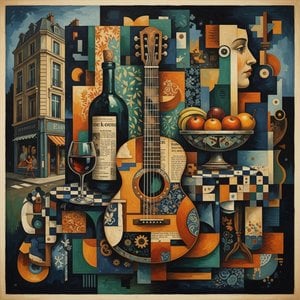
Master the vibrant world of Synthetic Cubism with our expert guide. Explore the revolutionary techniques of Picasso and Braque, from collage to color, and discover how this movement redefined modern art for collectors and connoisseurs alike.


 미리보기
미리보기
 공유하기
공유하기 공유하기
공유하기
 상세 정보
상세 정보 가이드 보기

 다운로드
다운로드
 유사 작품
유사 작품 X-레이
X-레이 슬라이드 쇼
 통계 정보
통계 정보 더 보기
더 보기









 유리 옵션은 110cm 미만 크기에서만 선택 가능합니다.


