
x


빠른 제작과 다양한 마감 옵션을 제공하는 박물관 품질의 지클레이 또는 캔버스 프린트. ( 손으로 그린 그림 구매 이미지 구매)





























작품의 원본 비율을 유지하는 미리 설정된 크기 중에서 선택하세요.

특정 프레임이나 공간에 맞춰 직접 치수를 입력하실 수 있습니다. 선택하신 사이즈가 원본 이미지의 비율과 일치하지 않을 경우, 작품을 크롭(자르기)하거나 이미지를 대칭 또는 단색 채우기로 확장하여 제작합니다. 제작 시작 전, 최종 확인을 위해 디지털 목업이 전송됩니다.
화면상의 미리보기는 실제 크롭이나 확장 상태를 반영하지 않으므로, 최종 구도는 오직 목업을 통해서만 정확하게 확인하실 수 있습니다.
맞춤 사이즈 제작도 가능하지만, 원본 비율을 유지하기 위해서는 사전 정의된 목록에서 치수를 선택하시는 것을 권장합니다.

Shock Troops Advance under Gas
복제본 크기
Otto Dix's "Shock Troops Advance under Gas," painted in 1924, isn’t merely a depiction of war; it’s a visceral scream rendered in stark black and white. This arresting work, currently housed at The Art Institute of Chicago, serves as a brutal indictment of the First World War and its enduring psychological scars. Dix, deeply affected by his own experiences as an artillery gunner on both the Western and Eastern fronts, channeled his trauma into a style he termed “Neue Sachlichkeit” – New Objectivity – characterized by unflinching realism and a deliberate rejection of romanticized depictions of conflict.
The painting immediately assaults the viewer with its chaotic composition. A dense mass of soldiers, their faces obscured by gas masks, surges forward across a desolate landscape. The figures are not heroic or valiant; they’re distorted, grotesque even, reduced to anonymous masses consumed by a horrifying ordeal. Dix masterfully employs a limited palette – primarily black, white, and shades of gray – to amplify the sense of despair and decay. This monochromatic approach isn't simply stylistic; it mirrors the bleakness of the battlefield and the emotional numbness experienced by those who fought there. The use of drypoint etching technique, combined with aquatint, creates a remarkable textural quality, emphasizing the rough surfaces of uniforms, the crumbling earth, and the suffocating gas itself.
Dix’s technical prowess is evident in his meticulous rendering of detail, juxtaposed against the overall sense of chaos. Notice how he meticulously depicts the individual gas masks, highlighting their uncomfortable angles and the grim determination etched on the soldiers' faces. The figures are not uniformly rendered; some appear to be collapsing, others staggering forward with a vacant stare, while still others seem lost in a detached nightmare. This deliberate lack of clarity contributes to the painting’s unsettling effect, mirroring the disorientation and psychological trauma experienced by soldiers exposed to gas attacks.
Symbolism permeates every aspect of “Shock Troops Advance under Gas.” The gas itself represents not just chemical warfare but also the insidious corruption of the human spirit. It obscures vision, both literal and metaphorical, blinding soldiers to reason and morality. The desolate landscape – a barren wasteland punctuated by shattered buildings – symbolizes the destruction wrought by war and the loss of innocence. The positioning of the figures, seemingly trapped in an endless forward march, speaks to the futility and relentless nature of conflict. Even the composition itself—a tightly packed mass with no clear focal point—reflects the overwhelming sense of chaos and disorientation experienced on the front lines.
To fully appreciate “Shock Troops Advance under Gas,” it’s crucial to understand its historical context. Painted in the aftermath of World War I, the painting reflects the profound disillusionment and social upheaval gripping Weimar Germany. The country was grappling with economic instability, political extremism, and a deep sense of national shame following the devastating conflict. Dix's unflinching portrayal of war directly challenged the prevailing patriotic narratives and exposed the brutal realities that had been deliberately obscured by official propaganda.
Dix’s work aligned him with the broader movement of “Neue Sachlichkeit,” which sought to depict reality without sentimentality or romanticism. However, unlike many of his contemporaries, Dix didn't shy away from confronting uncomfortable truths about German society and its role in the war. His paintings served as a powerful critique of militarism, nationalism, and the moral bankruptcy of the ruling elite.
"Shock Troops Advance under Gas" is more than just a historical document; it’s a profoundly moving work of art that continues to resonate with viewers today. Dix's masterful use of composition, technique, and symbolism creates an intensely unsettling experience, forcing us to confront the horrors of war and its lasting impact on individuals and societies. The painting’s stark imagery and emotional honesty serve as a timeless reminder of the human cost of conflict – a message that remains tragically relevant in our own turbulent times.


1891 - 1969

Explore the powerful and unsettling art of Otto Dix, a key figure of Neue Sachlichkeit. Discover his unflinching depictions of Weimar Germany's trauma, society, and war through insightful analysis & iconic masterpieces.

Explore 10 iconic paintings dominated by black tones, from Rembrandt’s chiaroscuro to Goya's dark expressions. Discover the stories behind these masterpieces & find museum-quality art reproductions for your home at .

Explore the profound artistic responses to World War I's trauma & hope. Discover Expressionist masterpieces by Bacon, de Kooning & more. Expert insights for collectors & art enthusiasts at WahooArt.
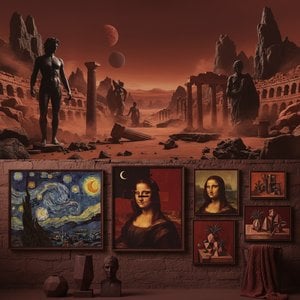
Delve into the power of 'Mars Black' with 10 iconic paintings by masters like Rembrandt & Caravaggio. Explore dramatic chiaroscuro, gothic art, and timeless beauty. Find museum-quality reproductions & elevate your home decor on .

추상표현주의의 심장을 뛰게 한 10대 걸작을 만나보세요. 폴록, 로스코 등 거장의 작품 비하인드 스토리와 예술적 영감을 WahooArt에서! 지금 바로 미술품 컬렉션을 탐험하고, 당신의 공간에 특별한 예술적 감성을 더하세요. WahooArt.com


최신 미술 뉴스, 특별 혜택 및 인테리어 아이디어를 가장 먼저 만나보세요.
프로젝트에 대해 알려주시면 저희 미술 전문가들이 맞춤형 아트 제안 3가지를 전달해 드립니다.
당신만을 위한 맞춤형 옵션 3가지를 무료로 추천해 드립니다!


 미리보기
미리보기
 공유하기
공유하기 공유하기
공유하기
 상세 정보
상세 정보

 다운로드
다운로드
 유사 작품
유사 작품 X-레이
X-레이 슬라이드 쇼


 더 보기
더 보기









 유리 옵션은 110cm 미만 크기에서만 선택 가능합니다.


