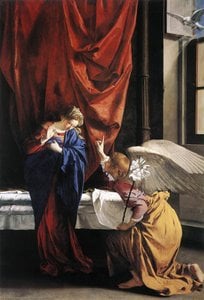
작가가 직접 캔버스에 손으로 그린 유화 작품으로, 원하는 크기와 액자로 맞춤 제작해 드립니다. ( 프린트 판매로 전환 디지털 이미지 판매 채널로 전환)





























작품의 원본 비율을 그대로 유지하는 프리셋 사이즈 중에서 선택해 보세요.

특정 프레임이나 공간에 맞춰 원하는 크기를 직접 입력하실 수 있습니다. 선택하신 크기가 원본 이미지의 비율과 일치하지 않을 경우, 작품을 자르거나 추가적인 수작업 요소를 더해 그림을 확장하여 제작합니다. 제작 시작 전, 최종 확인을 위해 디지털 목업을 보내드립니다.
화면상의 미리 보기는 실제 크롭(자르기)이나 확장된 상태를 완벽히 반영하지 않을 수 있습니다. 최종 구도는 오직 목업을 통해서만 정확하게 확인하실 수 있습니다.
맞춤 크기 제작도 가능하지만, 원본의 비율을 그대로 유지하기 위해서는 미리 정의된 목록에서 크기를 선택하시는 것을 권장합니다.

Cupid And Psyche
복제본 규격

In the grand, sweeping tapestry of the Italian Baroque, few threads shimmer with as much nuanced elegance as those woven by Orazio Gentileschi. Born into a family of artisans as Orazio Lomi, his journey from the artistic cradles of Tuscany and Pisa to the royal courts of Europe is a testament to a talent that refused to be confined by borders or styles. While history often casts a long shadow through the fame of his daughter, Artemisia, Orazio stands as a monumental figure in his own right—a painter who possessed the rare ability to marry the dramatic tension of Caravaggism with a refined, courtly grace that spoke to the highest echelons of European nobility.
His early years were steeped in the rich traditions of the late Renaissance. Moving to Rome around 1576, he adopted the name Gentileschi from a maternal uncle, a gesture that signaled the beginning of his ascent within the Roman art scene. His formative training, which some accounts suggest involved an apprenticeship under the Venetian master Jacopo Tintoretto, instilled in him a profound appreciation for the theatricality of light and the expressive power of movement. This Venetian influence, characterized by a certain luminous fluidity, would later serve as a vital counterpoint to the starker, more aggressive realism he encountered upon meeting the revolutionary Caravaggio.
The true genius of Gentileschi lies in his remarkable stylistic evolution. In his early Roman period, one can observe the heavy, dramatic chiaroscuro—the intense interplay of shadow and light—that defined the Caravaggesque movement. Yet, unlike the raw and often gritty depictions found in the works of his contemporaries, Orazio began to soften these edges. He possessed a unique sensibility for color and texture, moving away from harsh darkness toward a more luminous, silvery palette that breathed life into his subjects. His work became a sophisticated bridge between the muscular energy of the Baroque and a more delicate, international elegance.
This mastery is perhaps most evident in his treatment of fabric and flesh. To gaze upon his canvases is to witness a painter obsessed with the tactile reality of the world; the heavy sheen of silk, the soft glow of skin, and the intricate folds of drapery are rendered with an almost poetic precision. His compositions, such as the serene Saint Cecilia and an Angel, demonstrate how he could utilize light not merely to create drama, but to evoke a sense of divine tranquility and spiritual grace. He did not simply paint scenes; he orchestrated atmospheres where the sacred and the sensual met in perfect harmony.
Gentileschi’s career was as much a geographical odyssey as an artistic one. His reputation as a master of refinement allowed him to traverse the great cultural hubs of his age, finding patronage in Genoa, Ancona, and Paris. Each city left its mark on his evolving hand, yet he maintained a consistent thread of sophistication that made him indispensable to the monarchs of the era. The pinnacle of his professional journey arrived in 1626, when he moved to London to serve as a court painter for King Charles I. In the English court, alongside luminaries like Anthony van Dyck, Orazio helped introduce the transformative power of Italian Baroque aesthetics to a new audience.
Though his life eventually concluded in 1639, the historical significance of Orazio Gentileschi remains undiminished. He was more than just a follower of Caravaggio; he was an innovator who refined the language of realism into something much more lyrical and aristocratic. His ability to balance the visceral emotion of the Baroque with a polished, Mannerist elegance ensured that his work would resonate far beyond the walls of the Roman studios where he first began. Today, his masterpieces continue to captivate, offering a window into an era where light was used not just to reveal form, but to illuminate the very soul of the human experience.

1563 - 1639

Embark on a sophisticated journey through Italian Baroque art. Discover the dramatic interplay of light and emotion in Caravaggio’s masterpieces and explore how to bring this timeless grandeur into your collection with expert art insights.

Discover the enchanting world of Cupid in fine art. From Neoclassical grace to Baroque drama, explore mythological masterpieces that define luxury. WahooArt offers exquisite, hand-painted oil reproductions and bespoke commissions for the discerning collector.

 실제 크기로 보기
 보내기
보내기 공유하기
공유하기
 상세 보기
상세 보기 가이드 보기

 이미지 다운로드
 유사 작품 더 보기
 X-레이
X-레이 슬라이드 쇼 보기
 통계 정보
통계 정보
 상세 보기
상세 보기









 유리 옵션은 110cm 미만 크기에서만 선택 가능합니다.