


 PhotographyPhotoContemporary Photography
 2014Contemporary
 Centro Cultural Banco do Brasil Belo Horizonte
작품의 원본 비율을 유지하는 미리 설정된 크기 중에서 선택하세요.

특정 프레임이나 공간에 맞도록 직접 크기를 입력할 수 있습니다. 선택하신 크기가 원본 이미지의 비율과 일치하지 않는 경우, 작품을 자르거나 추가적인 손으로 그린 요소를 사용하여 그림을 확장합니다. 제작 시작 전 승인을 위해 디지털 목업을 보내드립니다.
화면 미리 보기는 실제 자르기 또는 확장을 반영하지 않습니다. 최종 구성은 목업을 통해서만 정확하게 확인하실 수 있습니다.
맞춤 크기 제작도 가능하지만, 원본 비율을 유지하기 위해 사전 정의된 목록에서 크기를 선택하시는 것을 권장합니다.

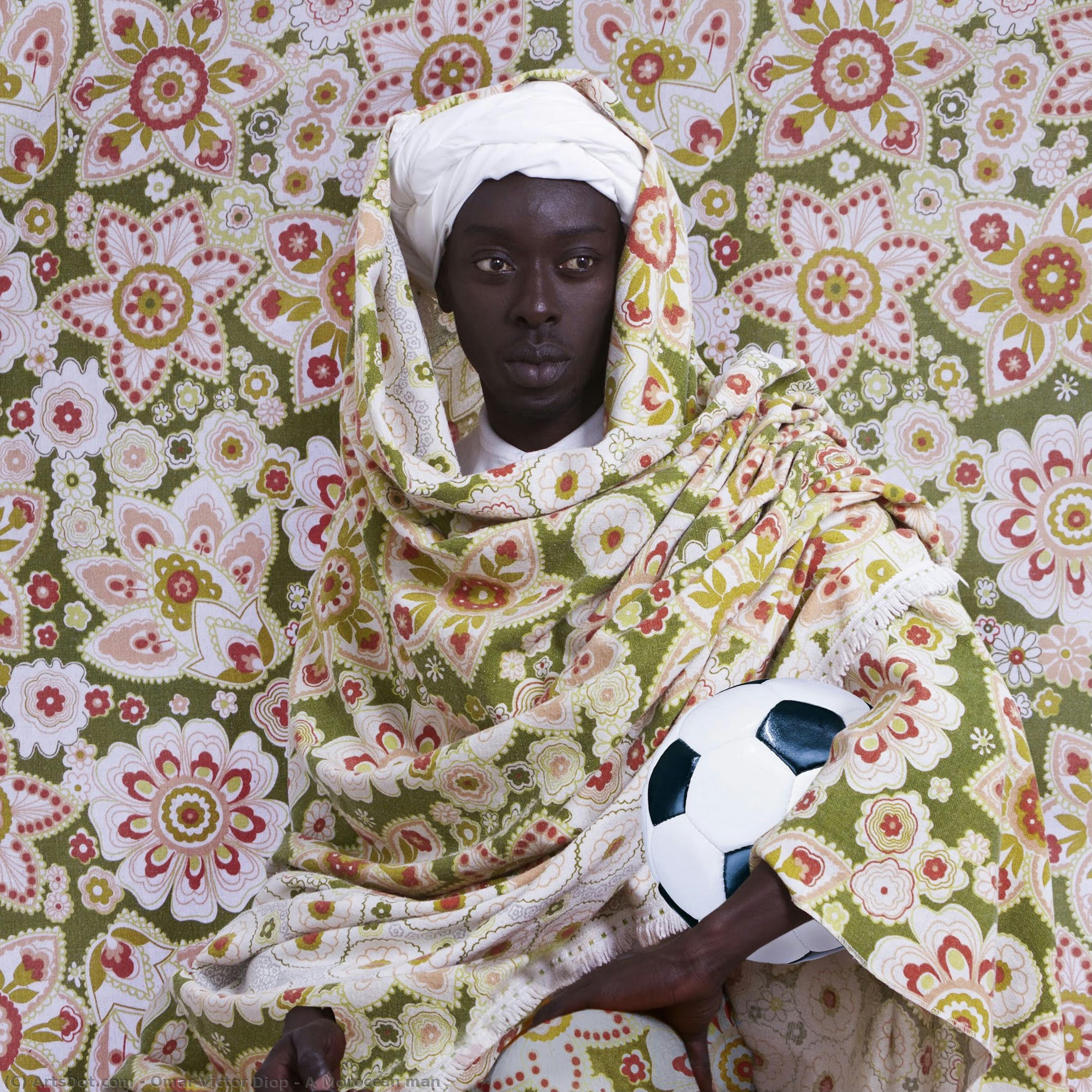
A Moroccan man
복제본 크기

Omar Victor Diop (born 1980) stands as a prominent figure in contemporary African photography, recognized globally for his conceptually rich portraits that delve into themes of Black history, identity, and diaspora. Born in Dakar, Senegal, Diop’s artistic journey began amidst the values instilled by his parents – prioritizing education as a pathway to opportunity – shaping him into an intellectually curious individual.
Diop’s artistic vision centers around confronting historical narratives and celebrating the dynamism of African culture. His series explore themes of identity, diaspora, and social commentary, utilizing meticulous styling and symbolic imagery to provoke reflection.
Diop’s work has garnered critical acclaim from institutions worldwide, including the Minneapolis Institute of Art, The High Museum of Art, Frac Aquitaine, Vitra Design Museum and Musée de la Photographie de Saint-Louis. His contributions to the art world underscore his commitment to fostering dialogue about identity, history, and cultural representation.
Diop’s artistic sensibilities are deeply rooted in African heritage and literature—particularly the work of Seydou Keïta and Malick Sidibé—who established foundational principles for studio photography. He champions a holistic approach to artmaking, integrating fashion design, creative writing, and visual storytelling to amplify voices and perspectives often marginalized within mainstream narratives.
Omar Victor Diop’s enduring legacy resides in his ability to transform historical images into powerful statements about identity and diaspora—a testament to the transformative potential of artistic vision.

1980 - , Senegal

Discover WahooArt's exclusive multi-photo merging service. Transform disparate photographs into a single, hand-painted masterpiece. Our master artists use professional compositing and digital mockups to create bespoke, museum-quality oil portraits for the discerning collector.

단순한 사진 필터를 넘어, AI 기술과 클래식 명화의 정수를 결합해 보세요. WahooArt는 당신의 셀피를 바로크와 로맨티시즘 양식의 드라마틱한 유화로 재탄생시킵니다. 카라바조의 빛과 어둠을 담은 프리미엄 커스텀 초상화로 당신의 공간에 시대를 초월한 예술적 가치와 개인의 서사를 새겨 넣으세요.

Discover the exquisite journey of turning personal photographs into timeless classical masterpieces. Learn how professional hand-painted oil reproductions capture the soul of historical eras to create a lasting legacy for your home and collection.
Transform scattered family photos into timeless oil masterpieces with WahooArt. Our master artists hand-paint bespoke portraits that turn precious memories into elegant, generational heirlooms. Experience premium quality, digital previews, and a 100% satisfaction guarantee.

Turn your favorite photos into iconic Pop Art masterpieces with WahooArt AI. Experience the perfect fusion of cutting-edge technology and hand-painted oil excellence. Transform your personal moments into trend-driven, museum-quality street art for your home today.

 프린트 구매
 공유하기
공유하기 공유하기
공유하기
 상세 정보
상세 정보

 다운로드
다운로드
 유사 작품
유사 작품 슬라이드 쇼
 더 보기
더 보기






































 유리 옵션은 110cm 미만 크기에서만 선택 가능합니다.


