
 OilWallArtImpressionism
 Modern
 40.0 x 43.0 cm
 Barjeel Art Foundation
빠른 제작과 다양한 마감 옵션을 제공하는 박물관 품질의 지클레이 또는 캔버스 프린트. ( 수제 페인팅으로 전환하기 이미지로 전환)





























작품의 원본 비율을 유지하는 미리 설정된 크기 중에서 선택하세요.

특정 프레임이나 공간에 맞춰 직접 치수를 입력하실 수 있습니다. 선택하신 사이즈가 원본 이미지의 비율과 일치하지 않을 경우, 작품을 크롭(자르기)하거나 이미지를 대칭 또는 단색 채우기로 확장하여 제작합니다. 제작 시작 전, 최종 확인을 위해 디지털 목업이 전송됩니다.
화면상의 미리보기는 실제 크롭이나 확장 상태를 반영하지 않으므로, 최종 구도는 오직 목업을 통해서만 정확하게 확인하실 수 있습니다.
맞춤 사이즈 제작도 가능하지만, 원본 비율을 유지하기 위해서는 사전 정의된 목록에서 치수를 선택하시는 것을 권장합니다.

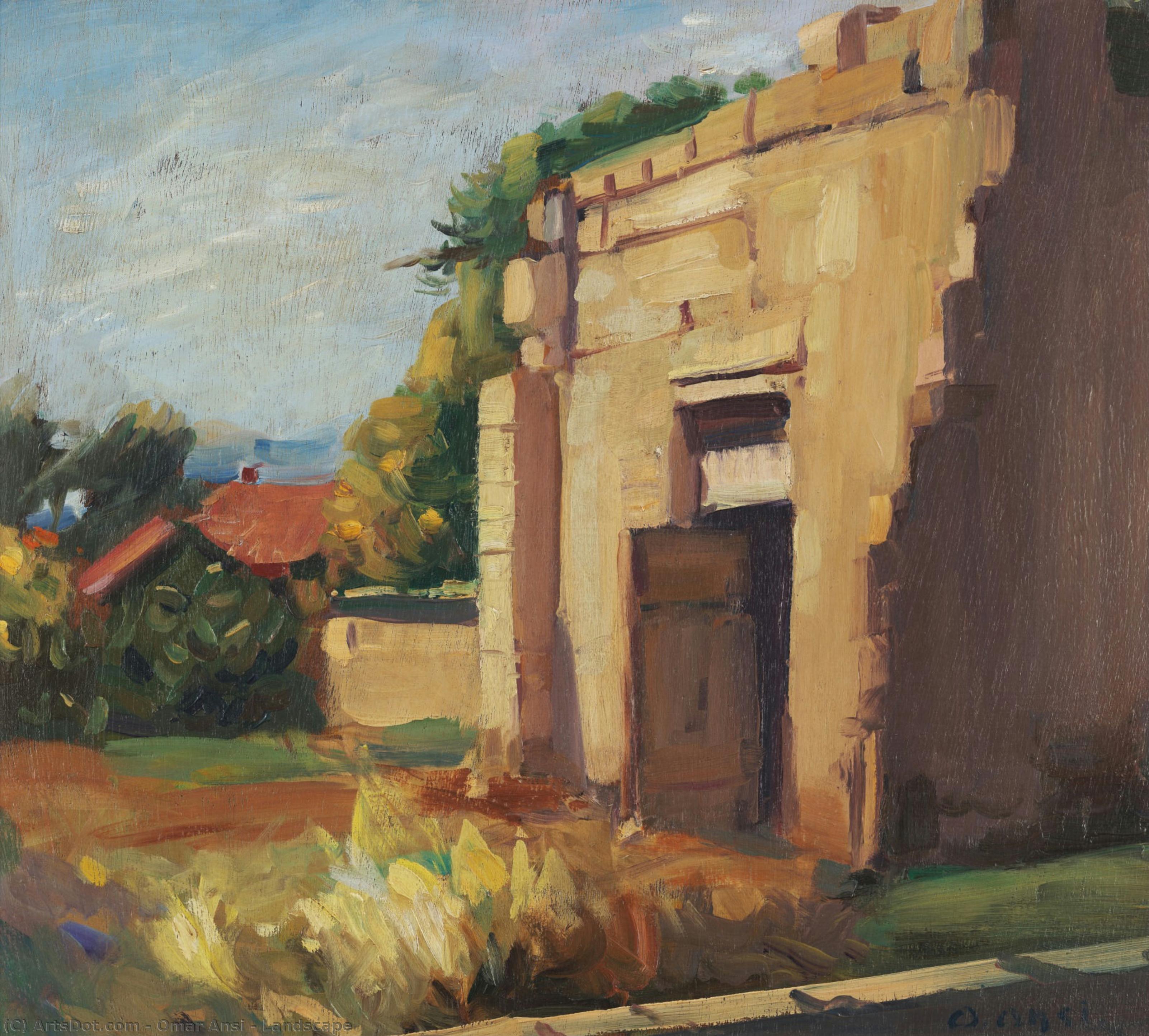
Landscape
복제본 크기
In this evocative landscape by the Lebanese master Omar Onsi, the viewer is transported to a serene, pastoral corner of the Levant. The painting captures a moment of profound stillness, where a charming house with a striking red roof serves as the heart of the composition. Surrounded by a lush tapestry of trees, the architecture feels less like a man-made imposition and more like an organic extension of the earth itself. Onsi, a pioneer of modern Lebanese Impressionism, utilizes his brush to weave a narrative of domestic tranquility and rural charm, inviting us to step through the depicted doorways and into a world where time seems to slow down.
The technique employed here is a masterful display of light and texture, characteristic of Onsi’s training under the legendary Khalil Saleeby. Through delicate, rhythmic brushstrokes, the artist captures the interplay of sunlight filtering through foliage and the rugged permanence of stone structures. The composition is layered with architectural intrigue; the presence of multiple entrances—some leading into the warmth of a home, others out toward the wilder landscape—creates a sense of depth and movement. This layering of brick, stone, and greenery provides a tactile quality that makes the scene feel remarkably present, as if one could reach out and touch the sun-warmed walls.
Beyond its mere depiction of a rural setting, this work carries a deep emotional resonance. There is a palpable sense of nostalgia embedded in the pigments, a longing for the simplicity of life found in the Lebanese countryside. The contrast between the vibrant red of the roof and the earthy tones of the stone walls symbolizes the harmony between human habitation and the natural world. For the collector or interior designer, this piece offers more than just decoration; it provides an emotional anchor. It is a painting that breathes life into a room, offering a contemplative escape from the frenetic pace of modern existence.
Integrating such a high-quality reproduction into a curated space allows for a sophisticated dialogue between history and contemporary design. Whether placed in a sunlit study or a grand living area, the artwork’s soft light and pastoral themes evoke a sense of peace and cultural richness. It serves as a testament to Onsi's ability to transform a simple landscape into a profound meditation on heritage, light, and the enduring beauty of the Lebanese spirit.

To gaze upon the works of Omar Onsi is to witness the very breath of the Levant captured in pigment. Born in 1901 in the Tallet el Khayat neighborhood of Beirut, Onsi emerged from a lineage of profound cultural depth; his father, Dr. Abd al-Rahman El Ounsi, was a man of science and art, while his grandfather was a celebrated poet. This unique heritage provided the foundation for an artist who would eventually bridge the gap between Western Impressionist techniques and the soulful, sun-drenched reality of the Middle East. Though he initially pursued the rigorous path of medicine at the Syrian Protestant College—now the American University of Beirut—it was his talent for illustration that caught the eye of the legendary Khalil Saleeby. This encounter changed the trajectory of Lebanese art forever, as Onsi abandoned the stethoscope for the brush, trading clinical observation for the poetic study of light and atmosphere.
Onsi’s artistic evolution was a journey across landscapes that shaped his visual vocabulary. In the early 1920s, a pivotal expedition to Amman, Jordan, introduced him to the stark, spiritual majesty of the desert. Serving as an instructor to the children of King Abdullah I, Onsi found himself mesmerized by the profound contrasts of the Jordanian terrain—the searing heat of the sand, the deep shadows of the dunes, and the eternal, piercing blue of the desert sky. During this period, he acted not merely as a painter but as an ethnographer, documenting the customs and lives of Bedouin communities with a precision that honored their dignity. This era instilled in him a sense of realist naturalism, a style where the artist’s ego recedes to allow the true essence of the subject to emerge through translucent watercolors and evocative oils.
The pursuit of mastery eventually led Onsi to the heart of the art world: Paris. Enrolling at the Académie Julian in 1927, he immersed himself in the traditions of the École de Barbizon and the Fontainebleau movements. In the studios of France, he refined his ability to capture the ephemeral qualities of light, learning to treat landscapes not as static objects but as living, breathing atmospheres. It was during these formative European years that he met and married Emma Morand, a union that would see them return together to Beirut in 1930. This homecoming marked a significant chapter in his career, as he turned his gaze toward the changing face of his beloved city and the rugged beauty of the Lebanese mountains.
Upon his return, Onsi became a central figure in the burgeoning Lebanese art scene. His work began to document a nation in transition, from the quiet, stone-walled villages of the mountains to the developing urban fringes of Beirut, where date palms and cactus plants still lined the seaside. He possessed a rare gift for socially progressive art, creating a national repertoire that celebrated local ethnicities and customs while maintaining a sophisticated, cosmopolitan aesthetic. His ability to paint both the grand scale of a landscape and the intimate detail of a portrait allowed him to become a chronicler of Lebanese identity, making his work deeply resonant with the spirit of a developing nation.
The historical significance of Omar Onsi extends far beyond the canvas. He was not merely a solitary creator but a foundational architect of Lebanon's cultural institutions. His commitment to the arts was evidenced by his role as a co-founder of the Lebanese Association of Painters and Sculptors in 1957 and his service on the board of the prestigious Sursock Museum upon its opening in 1960. Through these efforts, he helped cultivate a domestic aesthetic that could stand alongside international movements while remaining fiercely rooted in local heritage.
Today, Onsi’s oeuvre remains a cornerstone of Middle Eastern modernism. His paintings are celebrated for several key characteristics:
As his works continue to command reverence in major institutions like the Mathaf: Arab Museum of Modern Art and various international auction houses, Omar Onsi remains a luminous figure. He did not simply paint the landscape; he captured the very soul of a region, leaving behind a visual legacy that continues to inspire awe and a deep sense of belonging to the beautiful landscapes of the Levant.

1901 - 1969 , Lebanon

Explore the ethereal beauty of Impressionist landscapes. Discover how masters like Monet captured fleeting light through color and texture, and learn to curate these timeless, luminous masterpieces for your home collection.

Discover the profound emotional depth of Post-Impressionist landscapes. Explore how masters like Van Gogh revolutionized art through vibrant color, textured impasto, and symbolic expression in this expert guide to the movement that redefined modern art history.
Discover the profound tranquility of rural art through an expert exploration of Impressionist landscapes. From pastoral scenes to textured oil masterpieces, learn how timeless nature-inspired artworks bring enduring elegance and serenity to sophisticated collectors.

Embark on a visual journey through history's most iconic landscapes. Discover the mastery of Impressionism and the sublime power of nature through our expert guide to classical landscape art, curated for the discerning collector and fine art enthusiast.


최신 미술 뉴스, 특별 혜택 및 인테리어 아이디어를 가장 먼저 만나보세요.
프로젝트에 대해 알려주시면 저희 미술 전문가들이 맞춤형 아트 제안 3가지를 전달해 드립니다.
당신만을 위한 맞춤형 옵션 3가지를 무료로 추천해 드립니다!


 미리보기
미리보기
 공유하기
공유하기 공유하기
공유하기
 상세 정보
상세 정보

 다운로드
다운로드
 유사 작품
유사 작품 X-레이
X-레이 슬라이드 쇼
 더 보기
더 보기









 유리 옵션은 110cm 미만 크기에서만 선택 가능합니다.


