

 Gelatin Silver PrintPhotoModernist Photography
 1939Modern
 26.0 x 19.0 cm
 국립 미술관 (National Gallery of Victoria)
이 페이지에 표시된 작품은 저작권법의 보호를 받으며, 이에 따라 동일한 복제품을 제작하거나 판매하는 것은 법으로 금지되어 있습니다. 이러한 권리 보호는 다음과 같은 국제 협약에 따라 시행됩니다. 베른 협약 또한 다음에서 명시하는 법률을 포함한 국내법에 의해 보호됩니다. 미국 저작권법 제17조.
이 방식은 저작권 보호를 받는 예술 작품을 복제하거나 그대로 재현하는 것이 아니기에 저작권 규정을 완벽히 준수합니다. 대신, 이는 창의적인 재해석의 과정을 거칩니다. 즉, 원작에서 영감을 받되 원작과 동일하지 않은 새로운 회화 작품을 의미합니다.
빠른 제작과 다양한 마감 옵션을 선택할 수 있는 박물관 수준의 지클레이 및 캔버스 프린트. ( 수작업 채색 복제본 주문하기 디지털 이미지 판매 채널로 전환)
작품의 원본 비율을 그대로 유지하는 프리셋 사이즈 중에서 선택해 보세요.

액자나 벽면 크기에 맞춰 필요한 가로와 세로 길이를 입력해 주세요. 프린트는 원본 이미지보다 크게 제작할 수 없으며 오직 자르는 것만 가능하므로, 비율이 다른 사이즈를 선택할 경우 이미지의 일부가 잘려 나갈 수 있습니다. 인쇄 작업에 들어가기 전, 최종 확인을 위해 디지털 목업을 보내드립니다. 이 페이지에 표시된 이미지는 실제 잘리는 영역을 나타내지 않으며, 오직 목업을 통해서만 정확한 확인이 가능합니다.
Max after surfing
복제본 규격
In the quiet interplay of light and shadow captured within Max after surfing, we encounter more than just a photographic portrait; we witness the birth of an aesthetic era. Created in 1939 by the pioneering Australian modernist Olive Edith Cotton, this silver gelatin print serves as a profound testament to the vitality of the human spirit. The subject, Max Dupain—Cotton’s husband, collaborator, and a titan of Australian photography—is presented not merely as a man returning from the sea, but as an icon of physical grace. Bathed in dramatic, directional lighting, his muscular torso emerges from the monochromatic depths, creating a sculptural presence that feels both intimate and monumental. The starkness of the background allows the viewer to focus entirely on the interplay of form and texture, where the smoothness of skin meets the sharp, decisive edges of shadow.
The composition is a masterclass in modernist restraint. By positioning the figure against a simple, pale wall, Cotton strips away the distractions of the external world, forcing an encounter with the subject's physical essence. The vertical lines created by the play of light across the torso lend a sense of stability and strength to the frame, reminiscent of classical Greek statuary. This was no accidental choice; during the 1930s, there was a burgeoning cultural movement in Australia toward celebrating a "new" body—one shaped by sunlight, sport, and the rugged beauty of the coastline. Through her lens, Cotton elevates a moment of post-surf repose into a timeless study of health, vigor, and the idealized masculine form.
To gaze upon this work is to appreciate the delicate alchemy of early 20th-century photographic technique. Using silver gelatin paper, Cotton manipulated light to achieve a high-contrast brilliance that defines the modernist style. The way the highlights dance across the subject's chest while deep, velvety blacks anchor the composition demonstrates an extraordinary command over tonal range. This mastery of monochrome allows the photograph to transcend its specific historical moment, offering a sense of permanence and classical beauty that remains strikingly contemporary.
For the discerning collector or interior designer, Max after surfing offers a sophisticated focal point for any curated space. Its monochromatic palette provides a versatile elegance, capable of anchoring a minimalist modern gallery or adding a layer of intellectual depth to a classic study. The image does not merely decorate a wall; it commands attention through its emotional resonance and historical weight. It evokes feelings of strength, vitality, and the sun-drenched nostalgia of a bygone era, making it an evocative choice for those seeking to surround themselves with art that embodies both movement and stillness.
국립 미술관 (National Gallery of Victoria)에 소장된 Olive Edith Cotton의 "Max after surfing"은(는) 여전히 저작권의 보호를 받고 있습니다 상태입니다. 이 상태에 따라 해당 이미지의 복제 가능 여부가 결정됩니다.
Modernist Photography 사조 안에서, "Max after surfing"은(는) Reflective한 어조로 기록되어 있습니다.
Olive Edith Cotton의 "Max after surfing"은(는) Muted의 채도와 Monochromatic의 강도로 기록되어 있습니다.

1911 - 2003 , Australia

Explore the powerful world of Max Beckmann's art – a journey through trauma, modernity & distortion. Discover his key works, influences, and lasting legacy with expert analysis.
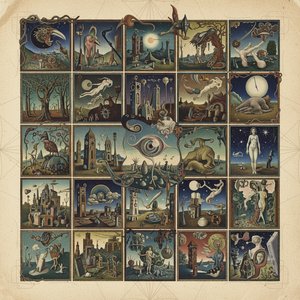
맥스 어른스트 최고 걸작 25선을 만나보세요. 초현실주의 화가 어른스트의 꿈, 무의식, 혁신적인 기법이 담긴 명화들을 감상하고, 공간에 예술적 영감을 불어넣으세요. WahooArt.com에서 고품질 미술 작품을 컬렉션하세요.
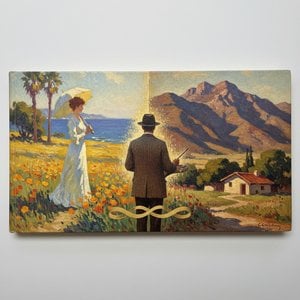
Explore the life & work of Joseph Kleitsch, a pivotal California Impressionist painter. Discover his vibrant landscapes, portraits, and legacy within the Laguna Beach art colony. A comprehensive study for collectors & enthusiasts.

Explore the captivating landscapes of Sir Grahame Sydney, a leading New Zealand artist renowned for his magic realism & evocative depictions of Otago's beauty. Discover key works and delve into his artistic legacy.

Explore the captivating world of Max Klinger, a pivotal German Symbolist artist. Discover his groundbreaking prints, psychological themes, & influence on modern art movements like Expressionism. Expert analysis and insights.

 보내기
보내기 공유하기
공유하기
 상세 보기
상세 보기 가이드 보기

 이미지 다운로드
 유사 작품 더 보기
 슬라이드 쇼 보기
 통계 정보
통계 정보 상세 보기
상세 보기






































 유리 옵션은 110cm 미만 크기에서만 선택 가능합니다.


![Olive Trees [1889] — 빈센트 반 고흐, Post-impressionism](/media/artworks/images-thumb/e4/68/e4688f7160b2dc16059fc15af708ca73.jpg)


