


x
 Japanese Traditional
 701
701 18.0cm x 26.0cm
작품의 원본 비율을 유지하는 미리 설정된 크기 중에서 선택하세요.

특정 프레임이나 공간에 맞춰 직접 치수를 입력하실 수 있습니다. 선택하신 사이즈가 원본 이미지의 비율과 일치하지 않을 경우, 작품을 크롭(자르기)하거나 이미지를 대칭 또는 단색 채우기로 확장하여 제작합니다. 제작 시작 전, 최종 확인을 위해 디지털 목업이 전송됩니다.
화면상의 미리보기는 실제 크롭이나 확장 상태를 반영하지 않으므로, 최종 구도는 오직 목업을 통해서만 정확하게 확인하실 수 있습니다.
맞춤 사이즈 제작도 가능하지만, 원본 비율을 유지하기 위해서는 사전 정의된 목록에서 치수를 선택하시는 것을 권장합니다.

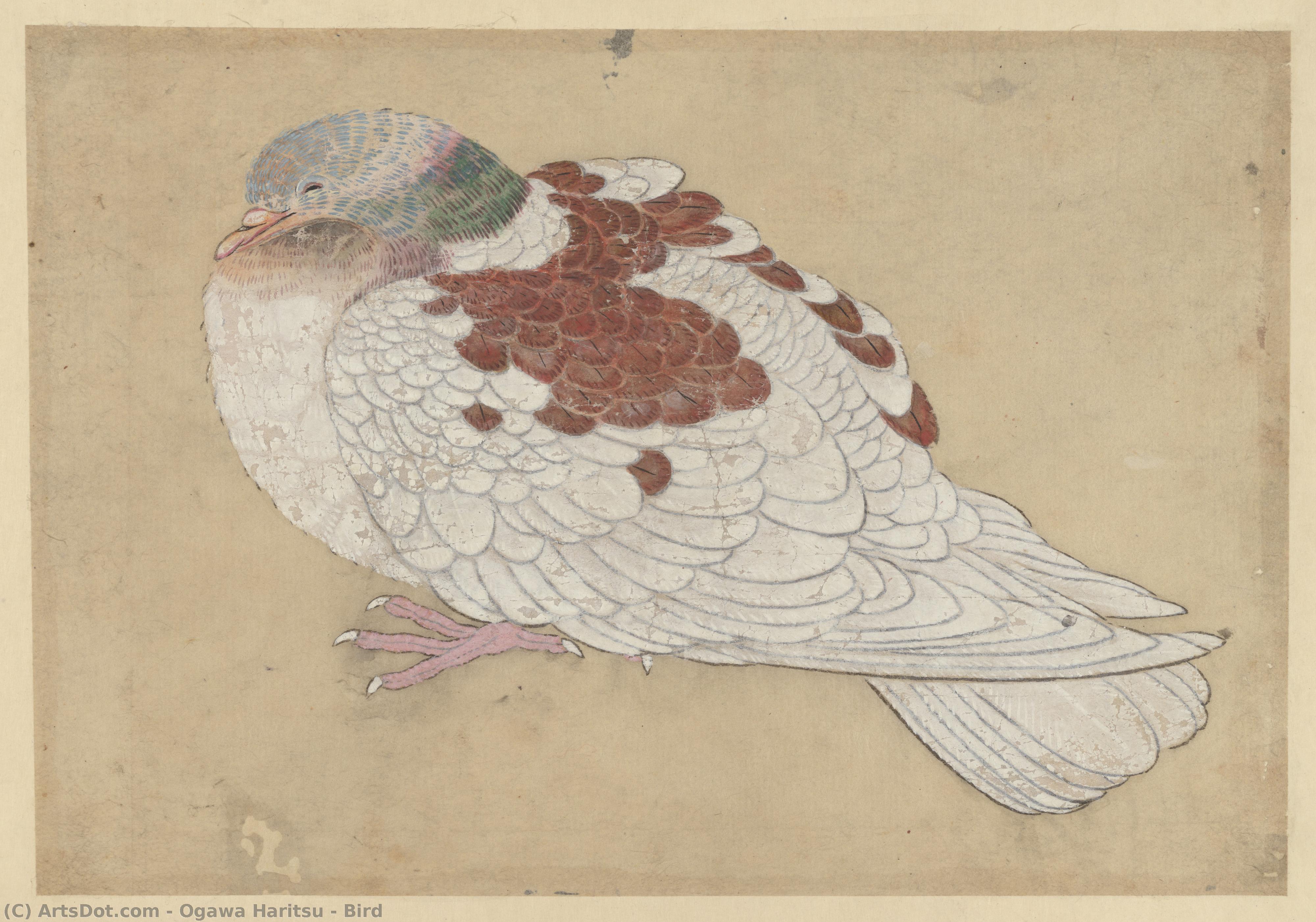
Bird
복제본 크기

Ogawa Haritsu, also known as Ritsuō, was a figure who embodied the multifaceted spirit of Edo-period Japan. Born in 1663 in what is now Tokyo, his life unfolded during a time of relative peace and flourishing arts under the Tokugawa shogunate. While biographical details remain somewhat elusive—a common trait for artists of this era whose fame rested more on their creations than documented personal histories—Haritsu’s legacy speaks volumes through the exquisite works he left behind. He wasn't merely an artist; he was a polymath, equally adept with brush and ink as he was with lacquer and ceramic, a testament to the breadth of artistic training available to those within the samurai class.
Haritsu’s talent wasn't confined to a single medium. He excelled in painting, particularly in the sumi-e style—the art of ink wash painting that emphasizes simplicity, spontaneity, and capturing the essence of nature. His poetry, though less widely known today than his visual works, reveals a sensitivity and depth of observation that clearly informed his artistic vision. However, it is for his lacquerware that Haritsu achieved lasting renown. He didn’t simply apply lacquer; he transformed it into breathtaking objects of art. His pieces often incorporated ceramic elements, showcasing an innovative approach to materials and techniques. This fusion wasn't merely decorative; it represented a deliberate exploration of texture, form, and the interplay between different artistic disciplines.
The Edo period saw a continuation of established Japanese aesthetic principles—a reverence for nature, asymmetry, and subtle beauty. Haritsu deeply understood these traditions, but he wasn’t content to simply replicate them. He infused his work with a spirit of innovation, experimenting with new forms, techniques, and combinations of materials. His lacquerware, in particular, stands out for its intricate designs and the masterful use of maki-e (gold dust sprinkling) and other elaborate decorative methods. He moved beyond purely functional objects, creating pieces that were intended as works of art in their own right—a reflection of the growing appreciation for artistic expression during his lifetime.
Haritsu's contributions to Japanese art extended beyond the beauty of individual objects. He helped elevate lacquerware from a craft to a high art form, influencing generations of artists who followed in his footsteps. His blending of different artistic disciplines—painting, poetry, and industrial arts—demonstrated a holistic approach to creativity that resonated with many contemporaries and continues to inspire today. While he didn’t found a formal school or establish a large workshop, the impact of his style can be seen in the works of other Edo-period artists who embraced similar principles of innovation and craftsmanship.
Though celebrated during his lifetime, Haritsu's work experienced periods of relative obscurity after his death in 1747. In recent decades, however, there has been a renewed appreciation for his artistry. Museums and collectors alike have recognized the significance of his contributions to Japanese art, leading to increased scholarship and exhibitions dedicated to his life and works. His pieces offer a glimpse into the refined aesthetic sensibilities of Edo-period Japan—a world where beauty was found in simplicity, craftsmanship was valued above all else, and artists like Ogawa Haritsu dared to push the boundaries of tradition while remaining deeply rooted in its essence.

1663 - 1747 , Japan
Explore the captivating history of watercolor painting, from ancient techniques to modern masters like Kandinsky & Blake. Discover essential artists, collecting tips & the emotional power of this luminous medium. Expert insights for art enthusiasts.
Journey through 10 legendary watercolor masterpieces by Sargent, Turner & Homer! Explore iconic landscapes, portraits & floral art that redefined history. Find museum-quality reproductions and curated decor ideas at WahooArt.com.

Explore the captivating world of watercolor painting! Discover its rich history, essential techniques, influential artists & collecting tips. A comprehensive guide for art enthusiasts from WahooArt.
Explore the captivating world of watercolor painting! Discover its rich history, essential techniques, influential artists & collecting tips from art experts. A comprehensive guide for enthusiasts.
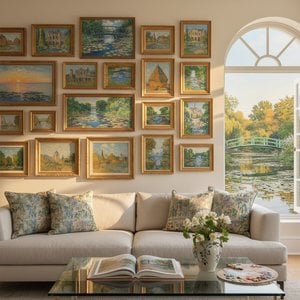
클로드 모네의 시대를 초월한 걸작 25선을 만나보세요. 인상주의 화가 모네의 빛과 색채, 그리고 숨겨진 이야기를 WahooArt에서 감상하세요. 거실, 침실을 위한 고급 미술 작품 컬렉션을 지금 바로 탐험해보세요! WahooArt.com


최신 미술 뉴스, 특별 혜택 및 인테리어 아이디어를 가장 먼저 만나보세요.
프로젝트에 대해 알려주시면 저희 미술 전문가들이 맞춤형 아트 제안 3가지를 전달해 드립니다.
당신만을 위한 맞춤형 옵션 3가지를 무료로 추천해 드립니다!

 작품 구매하기
 공유하기
공유하기 공유하기
공유하기
 상세 정보
상세 정보

 다운로드
다운로드
 유사 작품
유사 작품 X-레이
X-레이 슬라이드 쇼
 더 보기
더 보기






































 유리 옵션은 110cm 미만 크기에서만 선택 가능합니다.


