
 OilWallArtSymbolism
 1910
1910 45.0 x 37.0 cm
 Marubeni Gallery
빠른 제작과 다양한 마감 옵션을 제공하는 박물관 품질의 지클레이 또는 캔버스 프린트. ( 손으로 그린 그림 구매 디지털 이미지로 전환)





























작품의 원본 비율을 유지하는 미리 설정된 크기 중에서 선택하세요.

특정 프레임이나 공간에 맞춰 직접 치수를 입력하실 수 있습니다. 선택하신 사이즈가 원본 이미지의 비율과 일치하지 않을 경우, 작품을 크롭(자르기)하거나 이미지를 대칭 또는 단색 채우기로 확장하여 제작합니다. 제작 시작 전, 최종 확인을 위해 디지털 목업이 전송됩니다.
화면상의 미리보기는 실제 크롭이나 확장 상태를 반영하지 않으므로, 최종 구도는 오직 목업을 통해서만 정확하게 확인하실 수 있습니다.
맞춤 사이즈 제작도 가능하지만, 원본 비율을 유지하기 위해서는 사전 정의된 목록에서 치수를 선택하시는 것을 권장합니다.

Vase of flowers
복제본 크기
Odilon Redon's "Vase of Flowers," painted around 1910, isn’t merely a still life; it’s an immersion into the artist’s intensely personal and often unsettling inner world. This captivating work, currently residing within the collections of the Cleveland Museum of Art, exemplifies Redon’s signature style – a haunting blend of Symbolism, Surrealism, and a profound fascination with the hidden realms of imagination. The piece immediately draws the viewer in with its delicate pastel palette, dominated by muted blues, yellows, and greens, creating an atmosphere both serene and subtly unnerving. It's a world where botanical beauty intertwines with a sense of melancholic mystery.
Born Bertrand Redon in Bordeaux, France, in 1840, Odilon's artistic trajectory was initially shaped by traditional training – architecture and sculpture. However, a pivotal encounter with Jean-Léon Gérôme and Rodolphe Bresdin ignited his passion for drawing and lithography, techniques that would become the foundation of his early explorations into shadowy figures and ambiguous forms. Following the Franco-Prussian War, Redon’s artistic life took a dramatic turn as he began to experiment with “noirs,” intensely dark charcoal drawings reflecting the anxieties and uncertainties of the era. Later in his career, influenced by Japanese art and the writings of Edgar Allan Poe and Charles Baudelaire, Redon transitioned to pastel and oil, embracing a more luminous yet equally dreamlike aesthetic. "Vase of Flowers" represents this later period, showcasing a shift towards vibrant color while retaining the artist’s signature preoccupation with the subconscious.
The composition itself is deceptively simple yet profoundly layered in meaning. The central focus isn't the flowers themselves, but rather a striking blue vase – an object of quiet elegance that anchors the scene. Notice how Redon deliberately minimizes detail within the floral arrangement, opting for a restrained palette and a sense of distance. The yellow blooms, particularly the delicate white rose, stand out against the muted background, almost glowing with an internal light. This subtle contrast suggests not just color but also emotional intensity. The vase’s placement in the center, slightly off-kilter, creates a feeling of imbalance, mirroring the artist's own exploration of psychological states. The overall effect is reminiscent of a dream – familiar yet subtly unsettling, filled with half-remembered images and emotions.
Redon’s concept of "appearance" – the idea that true art should be felt rather than simply seen – is powerfully embodied in this work. The vase isn't just a container for flowers; it’s a portal to another realm, an embodiment of “apparition.” The hazy background and the almost ethereal quality of the blooms evoke a sense of transience and impermanence. Redon was deeply interested in exploring themes of death, memory, and the subconscious, and "Vase of Flowers" serves as a poignant meditation on these concepts. The painting’s enduring appeal lies not just in its beauty but also in its ability to tap into our own deepest emotions and anxieties – a testament to Redon's profound artistic vision.
Consider commissioning a high-quality reproduction of “Vase of Flowers” to bring this evocative artwork into your home or office. It’s more than just a painting; it’s an invitation to step into the artist’s dreamscape and contemplate the mysteries of the human psyche.


1840 - 1916 , 프랑스
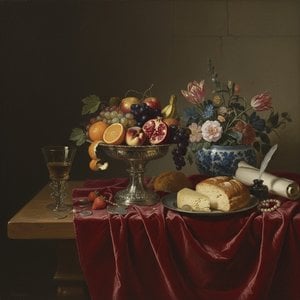
Embark on a sophisticated journey through the history of still life art. From Dutch Golden Age masterpieces to Baroque opulence, explore the profound symbolism and timeless beauty of the world's most exquisite table compositions.
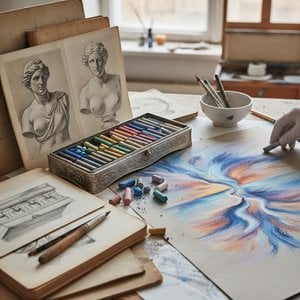
Explore the ethereal beauty of pastel art. Discover how Impressionist masters used soft hues and velvety textures to capture light. A professional guide for art enthusiasts seeking to understand, collect, and appreciate the delicate magic of this timeless medium.


 미리보기
미리보기
 공유하기
공유하기 공유하기
공유하기
 상세 정보
상세 정보 가이드 보기

 다운로드
다운로드
 유사 작품
유사 작품 X-레이
X-레이 슬라이드 쇼
 통계 정보
통계 정보 더 보기
더 보기









 유리 옵션은 110cm 미만 크기에서만 선택 가능합니다.


