

작가가 직접 캔버스에 손으로 그린 유화 작품으로, 원하는 크기와 액자로 맞춤 제작해 드립니다. ( 프린트 판매로 전환 디지털 이미지 판매 채널로 전환)





























작품의 원본 비율을 그대로 유지하는 프리셋 사이즈 중에서 선택해 보세요.

액자나 벽면 크기에 맞춰 필요한 가로와 세로 길이를 입력해 주세요. 본 작품은 수작업으로 제작되므로, 요청하신 비율에 따라 작가가 그림의 가장자리를 조금 더 넓게 그리거나 일부를 조정하여 작업할 수 있습니다. 작업 시작 전, 최종 확인을 위해 디지털 목업 이미지를 보내드립니다. 이 페이지에 표시된 이미지는 실제 결과물과 다를 수 있으며, 오직 목업 이미지만이 정확한 결과물을 보여줍니다.
The Extreme Unction
복제본 규격
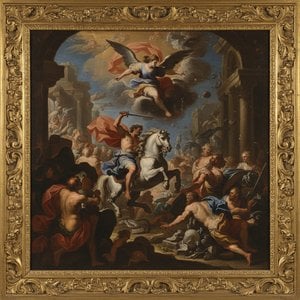
Nicolas Poussin’s “The Extreme Unction,” painted in 1640, isn't merely a depiction of a religious ceremony; it’s a meticulously crafted meditation on mortality, faith, and the quiet dignity of human experience. This large-scale oil painting on canvas transcends its subject matter to become a profound exploration of the human condition, rendered with an almost unnerving stillness that draws the viewer into its intimate scene. Poussin, already establishing his signature style—a harmonious blend of classical restraint and Baroque emotional depth—presents us with thirteen figures gathered in a dimly lit chamber, each caught in a moment of contemplation or action surrounding the dying man’s final moments. The painting isn't loud or dramatic; instead, it whispers of sorrow, acceptance, and the enduring power of faith.
The scene unfolds within a room subtly defined by Poussin’s masterful use of chiaroscuro – the dramatic interplay of light and shadow. A single candle casts elongated shadows across the walls and floor, creating an atmosphere of solemnity and drawing our attention to the central figures. The composition itself is remarkably balanced, employing a pyramidal structure that anchors the scene while simultaneously suggesting a sense of infinite space. Notice how Poussin carefully arranges the figures – some seated on benches, others standing near tables laden with objects—each contributing to the overall narrative without resorting to overt gestures or expressions. This restraint amplifies the painting’s emotional impact, inviting us to interpret the subtle nuances of each character's posture and gaze.
Poussin’s artistic lineage is complex, reflecting his lifelong engagement with both classical ideals and the burgeoning spirit of the Baroque. While firmly rooted in the principles of Renaissance art—particularly those of Raphael—he infused his work with a distinctly French sensibility, characterized by clarity, order, and an almost photographic realism. “The Extreme Unction” exemplifies this synthesis perfectly. The figures are rendered with meticulous detail, their drapery flowing realistically, their faces conveying a range of emotions – grief, compassion, and quiet reverence. Yet, Poussin doesn’t simply replicate reality; he elevates it through his masterful use of line and color, creating an image that is both deeply human and profoundly beautiful.
The painting's classical influences are evident in the architectural setting—a simple, yet elegant chamber reminiscent of Roman interiors. The figures themselves are arranged with a sense of formality and dignity, echoing the idealized forms found in ancient sculpture. However, Poussin subtly departs from strict classical conventions by imbuing his subjects with an intense emotionality that is characteristic of the Baroque. The expressions on their faces—a mixture of sorrow, concern, and acceptance—are remarkably expressive, conveying a depth of feeling rarely seen in earlier Renaissance art. This blending of classical restraint and Baroque emotion is what makes Poussin’s work so compelling and enduring.
Beyond its formal beauty, “The Extreme Unction” is rich in symbolism, reflecting the profound theological significance of the sacrament it depicts. The dying man, draped in a simple robe, represents humanity facing mortality. The priest, administering the oil—a symbol of healing and divine grace—offers solace and comfort. The other figures – family members, attendants, and fellow monks – represent the community’s shared grief and unwavering faith. Each element contributes to a larger meditation on life, death, and the promise of eternal salvation.
The use of light is particularly symbolic in this context. The single candle illuminates the scene, casting long shadows that suggest both darkness and hope. It represents the divine presence guiding the dying man through his final moments, offering him comfort and assurance. Furthermore, the muted color palette—dominated by browns, grays, and golds—creates a sense of solemnity and reverence, reinforcing the painting’s spiritual message. The scene is not one of joyous celebration, but rather of quiet acceptance and profound faith.
As a handmade oil painting reproduction created for WahooArt.com, this artwork retains the essence of Poussin's original vision while offering a tangible connection to a masterpiece of Western art history. The meticulous attention to detail—the subtle gradations of light and shadow, the delicate rendering of drapery, the nuanced expressions on the figures’ faces—is faithfully reproduced, allowing viewers to appreciate the full beauty and emotional depth of Poussin's work. Bringing this iconic painting into a contemporary setting allows for a new appreciation of its timeless themes and artistic brilliance. Explore more works by Nicolas Poussin at WahooArt.com, or discover the Detroit Institute of Arts’ impressive collection of Poussin and other renowned artists at WahooArt.com.
"The Extreme Unction"은(는) 니콜라 푸생의 Mature Period를 잘 보여주는 작품입니다.
니콜라 푸생의 "The Extreme Unction" 작품의 경우 Large 크기의 복제본을 추천합니다. 비율을 유지하면서 크기를 조정할 수 있습니다.
니콜라 푸생의 "The Extreme Unction"의 가이드 페이지에서는 인쇄 가능한 두 장 분량의 학습용 팩트시트를 제공합니다. 여기에는 작품과 작품 정보표, 작가의 생애 속 시기를 보여주는 연대기, 해당 작가의 다른 작품들, 측정된 컬러 팔레트, 그리고 네 가지 스타일로 바로 복사하여 사용할 수 있는 인용 문구가 포함되어 있습니다.


1594 - 1665 , 프랑스

빛과 어둠의 극적인 대비로 완성된 바로크 마스터피스의 영원한 우아함을 경험하십시오. WahooArt는 카라바조와 렘브란트 등 거장들의 숨결을 100% 수작업 유화로 재현하여 당신의 공간에 품격을 더합니다. 전문 아티스트의 정교한 붓터치와 프리미엄 캔버스로 탄생한 독보적인 예술적 가치를 소유하십시오.
Explore the breathtaking power of Baroque art. Delve into the dramatic interplay of light, shadow, and motion through the works of masters like Caravaggio. Discover how the era's intense emotional realism continues to inspire collectors and connoisseurs of classical grandeur.

 실제 크기로 보기
 보내기
보내기 공유하기
공유하기
 상세 보기
상세 보기 가이드 보기

 이미지 다운로드
 유사 작품 더 보기
 X-레이
X-레이 슬라이드 쇼 보기
 통계 정보
통계 정보

 상세 보기
상세 보기









 유리 옵션은 110cm 미만 크기에서만 선택 가능합니다.


