

빠른 제작과 다양한 마감 옵션을 선택할 수 있는 박물관 수준의 지클레이 및 캔버스 프린트. ( 수작업 채색 복제본 주문하기 디지털 이미지 판매 채널로 전환)





























작품의 원본 비율을 그대로 유지하는 프리셋 사이즈 중에서 선택해 보세요.

특정 프레임이나 공간에 맞춰 직접 치수를 입력하실 수 있습니다. 선택하신 사이즈가 원본 이미지의 비율과 일치하지 않을 경우, 작품을 크롭(자르기)하거나 이미지를 대칭 또는 단색 채우기로 확장하여 제작합니다. 제작 시작 전, 최종 확인을 위해 디지털 목업이 전송됩니다.
화면상의 미리보기는 실제 크롭이나 확장 상태를 반영하지 않으므로, 최종 구도는 오직 목업을 통해서만 정확하게 확인하실 수 있습니다.
맞춤 사이즈 제작도 가능하지만, 원본 비율을 유지하기 위해서는 사전 정의된 목록에서 치수를 선택하시는 것을 권장합니다.

Sleeping Venus, surprised by Satyr
복제본 규격
In the quietude of a lush, verdant forest, a scene of profound vulnerability and sudden movement unfolds within Nicolas Poussin’s 1626 masterpiece, Sleeping Venus, Surprised by Satyr. This captivating canvas serves as more than just a mythological depiction; it is an invitation into a carefully constructed narrative where the serenity of divine slumber meets the playful intrusion of primal instinct. As the goddess of love and beauty rests amidst the soft foliage, her peaceful state is abruptly interrupted by the presence of Silenus, a mischievous satyr whose arrival shatters the stillness. This juxtaposition creates a dramatic tension that has captivated viewers for centuries, offering a window into the delicate balance between idyllic peace and the untamed forces of nature.
The painting stands as a testament to the enduring power of classical ideals translated through the lens of Baroque artistry. Poussin, a master of the French Baroque style, utilizes a pyramidal composition to guide the viewer’s eye upward toward the luminous form of Venus. This structural choice does not merely organize the figures; it elevates the goddess, imbuing her with a sense of purity and divine grace that contrasts sharply with the earthy, mischievous energy of the satyr. For the discerning collector or interior designer, this work offers a sophisticated focal point, bringing a sense of classical grandeur and intellectual depth to any curated space.
To gaze upon this work is to witness Poussin’s extraordinary command over chiaroscuro. The artist employs dramatic contrasts between light and shadow to sculpt the physical forms of the figures, lending them a palpable weight and presence. Through the meticulous layering of pigments, he achieves an astonishing realism that breathes life into the skin of Venus and the rugged textures of the forest floor. His technique reflects his deep immersion in the Roman art scene, where he perfected the use of quadratura—an illusionistic approach that creates a sense of depth far beyond the physical boundaries of the canvas.
There is a rhythmic quality to Poussin’s brushwork, heavily influenced by the Venetian masters like Titian. While his later works would become known for their rigorous order and clarity, this early Roman period piece retains a certain sensuousness and fluid movement. The way light filters through the canopy to touch the sleeping goddess creates an atmosphere that is both ethereal and grounded. This masterful manipulation of light and shadow does not just illuminate the scene; it directs the emotional pulse of the painting, oscillating between the soft glow of innocence and the encropping shadows of disruption.
Beyond its technical brilliance, the painting is a rich tapestry of mythological allusion and symbolic meaning. Venus, in her slumber, represents the archetype of vulnerability and the untouched beauty of the soul. In contrast, the satyrs embody the untamed, often chaotic, impulses of human desire. This tension between the divine and the animalistic was a central fascination of the 17th-century artistic consciousness, reflecting a period caught between the structured morality of the era and the burgeoning interest in poésie érotique.
For those seeking to adorn their homes with art that inspires conversation and reflection, this reproduction offers an unparalleled opportunity. It is a piece that speaks to the complexity of the human experience—the way beauty can be interrupted, and how nature itself holds both peace and passion. Owning a high-quality reproduction of such a monumental work allows one to bring a fragment of classical history into the modern era, providing a timeless elegance that resonates with anyone who finds beauty in the intersection of myth, light, and human emotion.

1594 - 1665 , 프랑스

Explore the profound elegance of Baroque Classicism. Discover how masters fused dramatic chiaroscuro with structured order to redefine art history through light, shadow, and emotional grandeur.
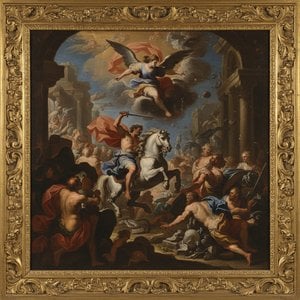
Explore the breathtaking power of Baroque art. Delve into the dramatic interplay of light, shadow, and motion through the works of masters like Caravaggio. Discover how the era's intense emotional realism continues to inspire collectors and connoisseurs of classical grandeur.

 실제 크기로 보기
 보내기
보내기 공유하기
공유하기
 상세 보기
상세 보기 가이드 보기

 이미지 다운로드
 유사 작품 더 보기
 X-레이
X-레이 슬라이드 쇼 보기
 통계 정보
통계 정보

 상세 보기
상세 보기









 유리 옵션은 110cm 미만 크기에서만 선택 가능합니다.


