

빠른 제작과 다양한 마감 옵션을 선택할 수 있는 박물관 수준의 지클레이 및 캔버스 프린트. ( 수작업 채색 복제본 주문하기 디지털 이미지 판매 채널로 전환)





























작품의 원본 비율을 그대로 유지하는 프리셋 사이즈 중에서 선택해 보세요.

액자나 벽면 크기에 맞춰 필요한 가로와 세로 길이를 입력해 주세요. 프린트는 원본 이미지보다 크게 제작할 수 없으며 오직 자르는 것만 가능하므로, 비율이 다른 사이즈를 선택할 경우 이미지의 일부가 잘려 나갈 수 있습니다. 인쇄 작업에 들어가기 전, 최종 확인을 위해 디지털 목업을 보내드립니다. 이 페이지에 표시된 이미지는 실제 잘리는 영역을 나타내지 않으며, 오직 목업을 통해서만 정확한 확인이 가능합니다.
Midas and Bacchus
복제본 규격
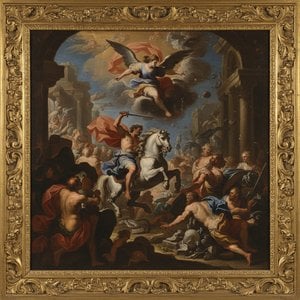
Nicolas Poussin's "Midas and Bacchus," painted in 1629, vividly portrays a pivotal moment from Greek mythology. The scene depicts King Midas, renowned for his unfortunate wish that everything he touched would turn to gold, seeking redemption from the god of wine and revelry, Bacchus. The painting captures Midas kneeling humbly before Bacchus, seemingly pleading for relief from the curse that has rendered even sustenance unattainable. Bacchus, in turn, appears compassionate, extending a hand towards the suffering king while holding a cup – a symbol of his domain over wine and pleasure, now juxtaposed with Midas's desperate situation. The presence of Silenus, Bacchus’s companion, adds to the mythological richness of the scene, representing wisdom and indulgence. The inclusion of nymphs, fauns, and shepherds populating the idyllic landscape further enhances the narrative depth, grounding the divine encounter within a pastoral setting.
"Midas and Bacchus" exemplifies Poussin's signature style – a blend of classical restraint and Baroque drama. Poussin was deeply influenced by Renaissance art and sought to emulate the clarity, balance, and intellectual rigor of artists like Raphael. This is evident in the painting’s carefully structured composition, where figures are arranged with geometric precision, creating a sense of order and harmony. However, the work also showcases elements characteristic of the Baroque period, such as dramatic lighting and emotional intensity. Poussin's masterful use of oil paint allows for subtle gradations of color and texture, bringing depth and realism to the scene. The meticulous attention to detail in rendering fabrics, foliage, and human anatomy demonstrates his technical skill and dedication to artistic perfection. The overall effect is a visually stunning representation that balances intellectual contemplation with emotional resonance.
Painted during the Baroque era, "Midas and Bacchus" reflects broader cultural trends of the time. The 17th century was marked by religious conflict, political upheaval, and a renewed interest in classical antiquity. Poussin’s work often explored themes of morality, virtue, and human fallibility, drawing inspiration from mythology and history to comment on contemporary society. The story of Midas serves as a cautionary tale about the dangers of greed and unchecked desire – a message that would have resonated with audiences grappling with economic inequality and social unrest. Furthermore, Poussin’s emphasis on classical ideals aligned with the Baroque era's fascination with ancient Greece and Rome, contributing to the revival of classical forms and themes in art.
Beyond its narrative content, "Midas and Bacchus" is rich in symbolic meaning. The golden touch, initially perceived as a blessing, becomes a curse, symbolizing the fleeting nature of material wealth and the importance of appreciating true values. Bacchus’s presence represents both indulgence and divine power – a reminder that even gods can offer mercy to those who demonstrate humility. The idyllic landscape surrounding the figures serves as a backdrop for this profound encounter, highlighting the contrast between the ephemeral pleasures of earthly life and the enduring truths of human existence. Emotionally, the painting evokes a sense of pathos and contemplation. Midas’s despair is palpable, while Bacchus's compassion inspires hope. The overall effect is a deeply moving work that invites viewers to reflect on their own desires, values, and place in the world.
"Midas and Bacchus" remains a celebrated masterpiece of Baroque art, admired for its technical brilliance, intellectual depth, and emotional power. Its enduring appeal lies in its ability to transcend time and culture, offering timeless insights into the human condition. Whether viewed as a historical artifact or a source of artistic inspiration, this painting continues to captivate audiences with its beauty and profound message.
기념일님을 위한 선물로 "Midas and Bacchus"을(를) 추천합니다.
"Midas and Bacchus" 프린트의 권장 용도는 초점 요소입니다.
"Midas and Bacchus"은 Baroque 운동 내에서 성찰적인 정서를 담아내고 있습니다.

1594 - 1665 , 프랑스

Discover the profound emotional power of Baroque painting. Explore the mastery of chiaroscuro, the realism of Caravaggio, and the dramatic interplay of light and shadow in this expert guide for classical art enthusiasts and collectors.

Explore the breathtaking drama of the Baroque era. From the mastery of chiaroscuro to epic mythological narratives, discover a definitive guide to art's most powerful period of light, shadow, and emotion for the true classical art enthusiast.

Embark on a sophisticated journey through the eternal allure of mythological art. Discover how master painters breathe life into ancient legends, from Greek deities to Baroque masterpieces, and learn to curate these timeless narratives within your own exquisite art collection.
Explore the breathtaking power of Baroque art. Delve into the dramatic interplay of light, shadow, and motion through the works of masters like Caravaggio. Discover how the era's intense emotional realism continues to inspire collectors and connoisseurs of classical grandeur.

 실제 크기로 보기
 보내기
보내기 공유하기
공유하기
 상세 보기
상세 보기 가이드 보기

 이미지 다운로드
 유사 작품 더 보기
 X-레이
X-레이 슬라이드 쇼 보기
 통계 정보
통계 정보


 상세 보기
상세 보기









 유리 옵션은 110cm 미만 크기에서만 선택 가능합니다.


