
원하는 크기와 액자로 주문 제작되는, 작가들이 직접 캔버스에 손으로 그린 유화 작품입니다. ( 프린트 판매로 전환 디지털 이미지로 전환)





























작품의 원본 비율을 유지하는 미리 설정된 크기 중에서 선택하세요.

특정 프레임이나 공간에 맞도록 직접 크기를 입력할 수 있습니다. 선택하신 크기가 원본 이미지의 비율과 일치하지 않는 경우, 작품을 자르거나 추가적인 손으로 그린 요소를 사용하여 그림을 확장합니다. 제작 시작 전 승인을 위해 디지털 목업을 보내드립니다.
화면 미리 보기는 실제 자르기 또는 확장을 반영하지 않습니다. 최종 구성은 목업을 통해서만 정확하게 확인하실 수 있습니다.
맞춤 크기 제작도 가능하지만, 원본 비율을 유지하기 위해 사전 정의된 목록에서 크기를 선택하시는 것을 권장합니다.

Melpomene, Erato, and Polymnia
복제본 크기
Nicolas Poussin's “Melpomene, Erato, and Polymnia” is not merely a portrait; it’s a carefully constructed tableau vivant, a glimpse into the world of classical inspiration. The painting depicts three of the nine Muses – goddesses who presided over the arts and sciences in Greek mythology – engaged in quiet contemplation beneath the sheltering branches of a tree. Melpomene, the Muse of tragedy, Erato, embodying lyric poetry, and Polymnia, representing sacred hymn and eloquence, are rendered with a serene dignity that speaks to Poussin’s deep reverence for antiquity. The composition is remarkably balanced; each figure occupies her space with a graceful composure, their postures suggesting both individual character and harmonious connection. The subtle interplay of light and shadow across their faces and drapery adds depth and realism, while the inclusion of two violins hints at the musicality inherent in their divine roles.
To understand “Melpomene, Erato, and Polymnia,” one must consider Nicolas Poussin's unique artistic journey. Born in France but spending the majority of his career in Rome, he became a pivotal figure in establishing a distinctly *classical* French Baroque style. Unlike many of his contemporaries who embraced the dramatic flourishes and emotional intensity characteristic of Italian Baroque painting, Poussin sought order, clarity, and intellectual rigor. He meticulously studied ancient Roman art and literature, striving to emulate their principles of balance, proportion, and narrative restraint. This dedication is evident in the carefully arranged composition, the idealized forms of the Muses, and the overall sense of calm contemplation that pervades the scene. Poussin wasn’t simply *depicting* mythological figures; he was attempting to embody the spirit of classical ideals themselves.
The choice of these three particular Muses is significant. Melpomene, often depicted with a tragic mask, represents the profound emotional depth of dramatic art. Erato, associated with love poetry, embodies beauty and passion. Polymnia, representing sacred hymn, suggests the elevating power of eloquence and intellectual pursuit. Their gathering under the tree – a traditional symbol of knowledge and life – can be interpreted as an allegory for the interconnectedness of these artistic disciplines. The violins present are not merely decorative elements; they symbolize the harmonious blending of music, poetry, and drama—the very essence of the Muses’ influence. Poussin invites us to reflect on the source of creative inspiration itself, suggesting that true artistry arises from a synthesis of intellect, emotion, and spiritual insight.
Owning a reproduction of “Melpomene, Erato, and Polymnia” is an invitation to cultivate a sense of serenity and intellectual refinement within your home. The painting’s muted palette and balanced composition make it remarkably versatile, complementing a wide range of interior styles. Whether displayed in a library, study, or living room, this artwork will serve as a constant reminder of the enduring power of classical ideals. The subtle emotional depth of the piece encourages quiet contemplation, while its elegant aesthetic adds a touch of timeless sophistication to any space. It’s more than just a decorative element; it's a window into a world where beauty, intellect, and artistic inspiration converge.


1594 - 1665 , 프랑스
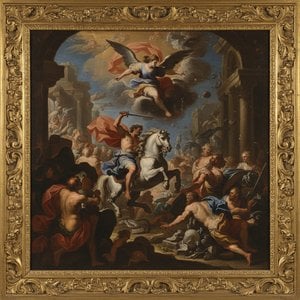
Explore the breathtaking power of Baroque art. Delve into the dramatic interplay of light, shadow, and motion through the works of masters like Caravaggio. Discover how the era's intense emotional realism continues to inspire collectors and connoisseurs of classical grandeur.

Embark on a sophisticated journey through the eternal allure of mythological art. Discover how master painters breathe life into ancient legends, from Greek deities to Baroque masterpieces, and learn to curate these timeless narratives within your own exquisite art collection.


 미리보기
미리보기
 공유하기
공유하기 공유하기
공유하기
 상세 정보
상세 정보

 다운로드
다운로드
 유사 작품
유사 작품 X-레이
X-레이 슬라이드 쇼
 통계 정보
통계 정보

 더 보기
더 보기









 유리 옵션은 110cm 미만 크기에서만 선택 가능합니다.


