

 Oil On CanvasWallArtBaroque Painting
 1648Early Modern
 119.0 x 198.0 cm
작가가 직접 캔버스에 손으로 그린 유화 작품으로, 원하는 크기와 액자로 맞춤 제작해 드립니다. ( 프린트 판매로 전환 디지털 이미지 판매 채널로 전환)





























작품의 원본 비율을 그대로 유지하는 프리셋 사이즈 중에서 선택해 보세요.

특정 프레임이나 공간에 맞춰 원하는 크기를 직접 입력하실 수 있습니다. 선택하신 크기가 원본 이미지의 비율과 일치하지 않을 경우, 작품을 자르거나 추가적인 수작업 요소를 더해 그림을 확장하여 제작합니다. 제작 시작 전, 최종 확인을 위해 디지털 목업을 보내드립니다.
화면상의 미리 보기는 실제 크롭(자르기)이나 확장된 상태를 완벽히 반영하지 않을 수 있습니다. 최종 구도는 오직 목업을 통해서만 정확하게 확인하실 수 있습니다.
맞춤 크기 제작도 가능하지만, 원본의 비율을 그대로 유지하기 위해서는 미리 정의된 목록에서 크기를 선택하시는 것을 권장합니다.

Landscape with a Man Killed by a Snake
복제본 규격
In the quiet, sun-dappled groves of Nicolas Poussin’s 1648 masterpiece, Landscape with a Man Killed by a Snake, a profound stillness masks a sudden, violent tragedy. At first glance, the viewer is greeted by a pastoral idyll—a serene woodland scene where the light filters through ancient trees and the gentle movement of a distant boat suggests the rhythmic passage of time. Yet, this tranquility is shattered by a singular, harrowing event: a man lies sprawled upon the earth, his life slipping away following the swift, venomous strike of a serpent. This juxtaposition of natural beauty and sudden mortality creates a tension that is both unsettling and deeply captivating, inviting the observer to look beyond the surface of the landscape into the deeper mysteries of human existence.
Poussin, a titan of the French Baroque, does not merely depict a scene; he orchestrates a philosophical meditation. Through his masterful use of chiaroscuro, the artist manipulates light and shadow to sculpt the atmosphere, casting a dramatic spotlight on the central figure’s vulnerability while allowing the surrounding forest to recede into a mysterious, atmospheric depth. The composition is far from accidental; Poussin employs a rigorous pyramidal structure, a hallmark of his classical training, which provides a sense of architectural stability to an otherwise chaotic moment of death. This geometric precision directs the eye upward, subtly connecting the earthly tragedy of the fallen man to the heavens above, where a lone bird drifts through the sky, indifferent to the drama unfolding below.
To understand this work is to engage with the intellectual currents of the 17th century. Commissioned by Cardinal Francesco Maria Pallotti, the painting serves as a complex allegory steeped in religious and classical symbolism. The serpent, an ancient emblem of both temptation and peril, evokes the biblical narrative of the Fall of Man, suggesting that even within the most beautiful landscapes, the seeds of destruction are ever-present. The scattered figures—a woman with her basket, a young boy, and travelers in the distance—act as witnesses to this fleeting moment, representing the continuity of life amidst the inevitability of death. This interplay between the eternal landscape and the ephemeral human life reflects the profound anxieties of an era shaped by religious reformation and a renewed fascination with classical antiquity.
For the discerning collector or interior designer, this painting offers more than just visual splendor; it provides a focal point of immense intellectual and emotional weight. The muted yet rich palette of earth tones, deep greens, and soft ochres allows the piece to integrate seamlessly into sophisticated environments, whether in a grand library or a contemporary gallery space. A high-quality reproduction of this work brings with it the gravity of Poussin’s vision, offering an opportunity to possess a fragment of art history that speaks to the timeless themes of fate, nature, and the delicate balance between peace and peril.


1594 - 1665 , 프랑스
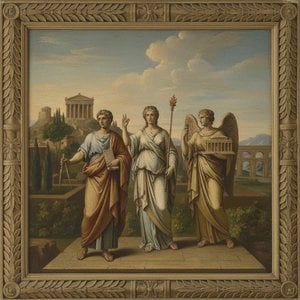
Explore the life & work of Nicolas Poussin, a master of French Classicism. Discover his allegorical paintings, Roman influences, and enduring impact on art history. Expert analysis & insights.

낭만주의 시대, 예술혼을 불태운 10대 풍경화 걸작! 터너부터 프리드리히까지, 시대를 초월하는 아름다움을 와후아트에서 만나보세요. 고흐의 색채와 코로의 섬세함이 당신의 공간에 영감을 더합니다. 지금 바로 와후아트에서 명품 미술 작품을 감상하고 구매하세요!

Explore the captivating world of Baroque Classicism! Discover its history, key artists like Caravaggio & Rubens, and defining characteristics. Expert insights & high-quality reproductions at WahooArt.

Master the art of drama with our ultimate guide to Baroque landscapes. Discover the power of chiaroscuro, explore legendary masters, and learn how to curate epic, dark-vibe masterpieces for your collection with expert insights from WahooArt.
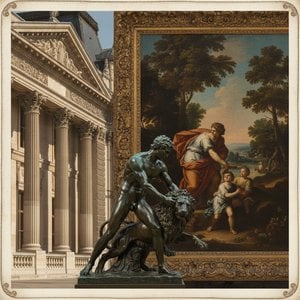
Explore the profound elegance of Baroque Classicism. Discover how 17th-century masters synthesized dramatic emotion with classical order through the lens of the Counter-Reformation and the works of legends like Carlo Maratta and Andrea Sacchi.

 실제 크기로 보기
 보내기
보내기 공유하기
공유하기
 상세 보기
상세 보기 가이드 보기

 이미지 다운로드
 유사 작품 더 보기
 X-레이
X-레이 슬라이드 쇼 보기
 통계 정보
통계 정보 상세 보기
상세 보기









 유리 옵션은 110cm 미만 크기에서만 선택 가능합니다.


