
 캔버스에 유채월아트Baroque
 1660
1660 100.0 x 75.0 cm
 갤러리아 나자날 드 아트 안티카
원하는 크기와 액자로 주문 제작되는, 작가들이 직접 캔버스에 손으로 그린 유화 작품입니다. ( 프린트 판매로 전환 디지털 이미지로 전환)





























작품의 원본 비율을 유지하는 미리 설정된 크기 중에서 선택하세요.

특정 프레임이나 공간에 맞도록 직접 크기를 입력할 수 있습니다. 선택하신 크기가 원본 이미지의 비율과 일치하지 않는 경우, 작품을 자르거나 추가적인 손으로 그린 요소를 사용하여 그림을 확장합니다. 제작 시작 전 승인을 위해 디지털 목업을 보내드립니다.
화면 미리 보기는 실제 자르기 또는 확장을 반영하지 않습니다. 최종 구성은 목업을 통해서만 정확하게 확인하실 수 있습니다.
맞춤 크기 제작도 가능하지만, 원본 비율을 유지하기 위해 사전 정의된 목록에서 크기를 선택하시는 것을 권장합니다.

Hagar and the Angel
복제본 크기
Nicolas Poussin's "Hagar and the Angel," painted in 1660, is more than just a biblical scene; it’s a profound meditation on faith, abandonment, and the precariousness of human existence. This oil-on-canvas masterpiece, currently housed within the Galleria Nazionale d'Arte Antica in Rome, reveals Poussin’s mastery of classical composition blended with Baroque drama, creating an image that continues to resonate centuries later. The painting depicts a pivotal moment from the Book of Genesis – Hagar, Abraham’s banished handmaiden, encountering the angel who instructs her to return to her master and Ishmael. Yet, it's not merely a recounting of a narrative; Poussin transforms this story into a deeply evocative exploration of vulnerability and divine intervention.
The composition itself is meticulously crafted, drawing heavily on classical principles while simultaneously embracing the emotional intensity characteristic of Baroque painting. Hagar occupies the lower left corner, rendered in muted tones of ochre and brown – colors that speak to her isolation and hardship. Her posture is one of profound humility, a subtle suggestion of supplication and resignation. Above her hovers the angel, not as a triumphant figure of authority, but rather as a gentle presence, bathed in an ethereal light that contrasts sharply with the shadowed landscape below. The placement of these two figures – separated by space yet inextricably linked through their interaction – immediately establishes a dynamic tension within the scene.
Poussin’s signature use of *chiaroscuro*—the dramatic interplay of light and shadow—is central to the painting's power. He masterfully employs this technique to sculpt the figures, emphasizing their physicality and emotional states. The angel’s luminosity serves as a beacon in the otherwise somber landscape, drawing our attention to his role as a messenger of hope. Conversely, the deep shadows that engulf Hagar and the distant mountains create a sense of foreboding and uncertainty. The light doesn't simply illuminate; it guides the eye through the composition, leading us from the vulnerable figure in the foreground to the vastness of the landscape beyond.
Beyond the immediate narrative, “Hagar and the Angel” is rich with symbolic meaning. The two mountains that dominate the background are often interpreted as representing the dualities inherent in human experience – hope and despair, faith and doubt. The solitary tree, a recurring motif in Poussin’s work, symbolizes resilience and endurance amidst adversity. The very act of Hagar being instructed to return signifies a journey of redemption, albeit one fraught with difficulty. The angel's presence isn’t simply an act of divine intervention; it represents the possibility of reconciliation and acceptance – a chance for Hagar to reclaim her place within the established order.
Poussin’s work stands as a testament to his ability to synthesize classical ideals with the dramatic flair of the Baroque. Influenced by artists like Guercino, he skillfully blended Renaissance precision with the heightened emotionalism of the era. “Hagar and the Angel” exemplifies this synthesis, demonstrating Poussin's profound understanding of human psychology and his masterful command of artistic technique. It’s a painting that invites contemplation, prompting viewers to consider not only the biblical story but also the universal themes of faith, loss, and the enduring search for meaning. The work’s continued popularity speaks to its timeless beauty and its ability to evoke powerful emotions in those who encounter it.
For art enthusiasts seeking a high-quality reproduction of this iconic masterpiece, WahooArt offers meticulously hand-painted reproductions that capture the essence of Poussin's vision. Explore our collection today and bring this extraordinary work of art into your home or studio.


1594 - 1665 , 프랑스
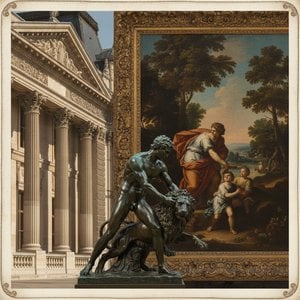
Explore the profound elegance of Baroque Classicism. Discover how 17th-century masters synthesized dramatic emotion with classical order through the lens of the Counter-Reformation and the works of legends like Carlo Maratta and Andrea Sacchi.

Explore the captivating history of angels in painting! Discover symbolism, iconic Renaissance & Byzantine masterpieces, and renowned artists. Expert insights for art lovers & collectors at WahooArt.

Explore the captivating world of Baroque Classicism! Discover its history, key artists like Caravaggio & Rubens, and defining characteristics. Expert insights & high-quality reproductions at WahooArt.
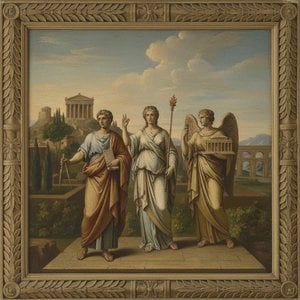
Explore the life & work of Nicolas Poussin, a master of French Classicism. Discover his allegorical paintings, Roman influences, and enduring impact on art history. Expert analysis & insights.

낭만주의 시대, 예술혼을 불태운 10대 풍경화 걸작! 터너부터 프리드리히까지, 시대를 초월하는 아름다움을 와후아트에서 만나보세요. 고흐의 색채와 코로의 섬세함이 당신의 공간에 영감을 더합니다. 지금 바로 와후아트에서 명품 미술 작품을 감상하고 구매하세요!


 미리보기
미리보기
 공유하기
공유하기 공유하기
공유하기
 상세 정보
상세 정보

 다운로드
다운로드
 유사 작품
유사 작품 X-레이
X-레이 슬라이드 쇼
 통계 정보
통계 정보 더 보기
더 보기









 유리 옵션은 110cm 미만 크기에서만 선택 가능합니다.


