
x


작품의 원본 비율을 유지하는 미리 설정된 크기 중에서 선택하세요.

특정 프레임이나 공간에 맞도록 직접 크기를 입력할 수 있습니다. 선택하신 크기가 원본 이미지의 비율과 일치하지 않는 경우, 작품을 자르거나 추가적인 손으로 그린 요소를 사용하여 그림을 확장합니다. 제작 시작 전 승인을 위해 디지털 목업을 보내드립니다.
화면 미리 보기는 실제 자르기 또는 확장을 반영하지 않습니다. 최종 구성은 목업을 통해서만 정확하게 확인하실 수 있습니다.
맞춤 크기 제작도 가능하지만, 원본 비율을 유지하기 위해 사전 정의된 목록에서 크기를 선택하시는 것을 권장합니다.

Percussion Pistol
복제본 크기

In the grand tapestry of French history, where the opulence of the Bourbon monarchy met the iron resolve of the Napoleonic era, few figures embodied the intersection of lethal utility and exquisite artistry as profoundly as Nicolas Noel Boutet. Born in Paris in 1761, Boutet was not merely a craftsman but a visionary who transformed the grim necessity of weaponry into a high art form. As the son of the royal gunsmith Noël Boutet, his very existence was intertwined with the forge and the court. His early years were spent under the watchful eye of his father, absorbing the meticulous traditions of French metallurgy and the exacting standards required by the crown. This apprenticeship did more than teach him how to shape steel; it instilled in him a profound understanding of how an object could serve as both a functional tool of war and a breathtaking masterpiece of decorative design.
The trajectory of Boutet’s life was one of remarkable resilience and adaptation amidst the turbulent tides of French politics. His ascent within the aristocratic circles of Versailles was further cemented in 1788 through his marriage to Leonie-Emilie Desainte, whose familial connections to the royal workshops bolstered his standing at court. It was during this period of relative stability that King Louis XVI bestowed upon him the prestigious title of “Gunmaker-in-Ordinary,” a recognition that placed Boutet at the heart of the kingdom's military and aesthetic identity. Under his stewardship as Director General of the Manufacture Royale d'Armes de Versailles, the arsenal became a powerhouse of innovation, churning out more than 600,000 weapons that were as much jewels of the state as they were instruments of defense.
As the fires of the French Revolution swept through Paris, Boutet demonstrated an uncanny ability to navigate the shifting winds of power. While many craftsmen found their livelihoods threatened by the collapse of the monarchy, Boutet’s unparalleled skill ensured his continued relevance. He transitioned seamlessly from serving the Bourbons to directing the state arms manufactory under Napoleon Bonaparte. This era marked a pinnacle in his career, where the grandeur of the Ancien Régime met the imperial ambitions of the French Empire. His work during this time reflected a unique synthesis of styles: the delicate, ornate engravings of the late 18th century blended with the robust, commanding presence required by Napoleon’s battle-hardened cavalry and infantry.
The true genius of Boutet lay in his ability to elevate the mundane components of weaponry—the brass, the steel, the ebony, and the gold—into a cohesive language of prestige. His pistols and blades were characterized by:
Ultimately, Nicolas Noel Boutet left behind a legacy that transcends the mere history of arms manufacture. He was a master of the transition between eras, a man who could capture the elegance of a dying monarchy and the fierce energy of a rising empire within the grip of a single pistol. His work remains a testament to the idea that even in the darkest shadows of conflict, there exists a profound human impulse toward beauty, craftsmanship, and the pursuit of perfection.

1761 - 1833 , France
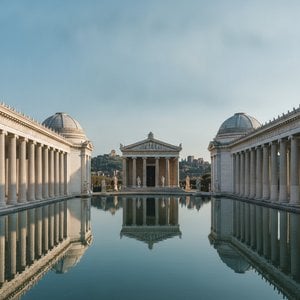
Discover the profound elegance of Neoclassicism. Explore how the pursuit of order, symmetry, and Greco-Roman ideals created a timeless aesthetic for collectors seeking grandeur and intellectual depth in fine art and architecture.


최신 미술 뉴스, 특별 혜택 및 인테리어 아이디어를 가장 먼저 만나보세요.
프로젝트에 대해 알려주시면 저희 미술 전문가들이 맞춤형 아트 제안 3가지를 전달해 드립니다.
당신만을 위한 맞춤형 옵션 3가지를 무료로 추천해 드립니다!


 미리보기
미리보기
 프린트 구매
 공유하기
공유하기 공유하기
공유하기
 상세 정보
상세 정보

 다운로드
다운로드
 유사 작품
유사 작품 X-레이
X-레이 슬라이드 쇼

 더 보기
더 보기






































 유리 옵션은 110cm 미만 크기에서만 선택 가능합니다.


