
 Oil On PanelEarly Renaissance
 1480Renaissance
 138.0 x 58.0 cm
 메트로폴리탄 미술관
빠른 제작과 다양한 마감 옵션을 제공하는 박물관 품질의 지클레이 또는 캔버스 프린트. ( 손으로 그린 그림 구매 디지털 이미지로 전환)





























작품의 원본 비율을 유지하는 미리 설정된 크기 중에서 선택하세요.

특정 프레임이나 공간에 맞춰 직접 치수를 입력하실 수 있습니다. 선택하신 사이즈가 원본 이미지의 비율과 일치하지 않을 경우, 작품을 크롭(자르기)하거나 이미지를 대칭 또는 단색 채우기로 확장하여 제작합니다. 제작 시작 전, 최종 확인을 위해 디지털 목업이 전송됩니다.
화면상의 미리보기는 실제 크롭이나 확장 상태를 반영하지 않으므로, 최종 구도는 오직 목업을 통해서만 정확하게 확인하실 수 있습니다.
맞춤 사이즈 제작도 가능하지만, 원본 비율을 유지하기 위해서는 사전 정의된 목록에서 치수를 선택하시는 것을 권장합니다.

The Pérussis Altarpiece
복제본 크기
To gaze upon this magnificent altarpiece is to step directly into the charged atmosphere of late Quattrocento France. Dating to 1480, Nicolas Froment’s The Pérussis Altarpiece transcends mere religious depiction; it is a complex tapestry woven from profound spiritual devotion, burgeoning Renaissance naturalism, and the specific cultural anxieties of its time. The subject matter—the adoration of the empty cross on Golgatha—possesses an immediate, arresting power. It captures that pivotal moment of contemplation following sacrifice, inviting the viewer into a space where divine mystery meets human reverence.
Froment, operating within the vibrant crucible of the Second School of Avignon, stands as a fascinating bridge between the lingering elegance of Gothic tradition and the burgeoning realism whispered by Flemish influences. Technically, the work is breathtakingly detailed. Observe how the artist manages to combine the timeless, ethereal quality of the gold ground—a hallmark of earlier devotional art—with an astonishingly faithful topographical view of Avignon itself. This juxtaposition is revolutionary; it anchors the eternal narrative within a specific, tangible place. The composition unfolds across multiple planes, guiding the eye through scenes involving Christ on the cross, flanked by attendant angels in various positions, and culminating in the solemn figure kneeling before the divine drama.
The symbolism here is rich and multi-layered, inviting prolonged study. The presence of multiple crosses emphasizes the weight and significance of the Passion narrative. Furthermore, the inclusion of elements such as skulls and birds adds a layer of memento mori—a constant reminder of mortality set against the backdrop of eternal salvation. The kneeling donor figure, perhaps Aloisius himself, acts as a conduit for the viewer, compelling us to adopt his posture of prayer and contemplation. It is an intimate moment of personal piety framed by monumental religious art.
Originally commissioned for the Pérussis family, this altarpiece carries the weight of patronage and history within its very pigments. For those seeking to infuse a space—be it a private chapel, a grand hall, or a richly decorated interior—with the gravitas and artistry of the early French Renaissance, this work offers unparalleled depth. Owning a reproduction allows one to connect with the sophisticated blend of local Provençal identity and universal Christian narrative that defined life in 15th-century Avignon. It is not merely decoration; it is a profound meditation rendered visible.


1430 - 1484 , France

Explore the dramatic brilliance of the Flemish Baroque movement. Discover how masters like Peter Paul Rubens utilized chiaroscuro and dynamic composition to redefine art history through light, shadow, and unparalleled emotion.

Embark on a journey through the exquisite precision of Flemish Art. Discover the pioneering oil techniques, profound symbolism, and luminous realism that define the Northern Renaissance masters in this expert guide for art enthusiasts.

Explore the exquisite precision of Flemish painting. From Jan van Eyck to Robert Campin, discover the revolutionary oil techniques and rich symbolism that defined the Northern Renaissance and continue to inspire fine art collectors today.
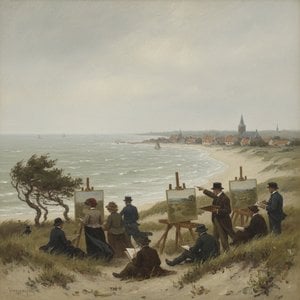
Explore the ethereal beauty of the Hague School art movement. Discover how masters like Jan Weissenbruch captured the atmospheric grey light of the Dutch landscape through unparalleled technique and emotive, misty compositions.

Explore the profound beauty of American Romanticism. Discover how the Hudson River School captured the wild frontier through masterful landscapes, exploring the legacy of legends like Thomas Cole and Asher Durand in this deep dive into art history.


 미리보기
미리보기
 공유하기
공유하기 공유하기
공유하기
 상세 정보
상세 정보 가이드 보기

 다운로드
다운로드
 유사 작품
유사 작품 X-레이
X-레이 슬라이드 쇼
 통계 정보
통계 정보 더 보기
더 보기









 유리 옵션은 110cm 미만 크기에서만 선택 가능합니다.


![Stanze Vaticane - The School Of Athens (detail) [05] — 라파엘로, Renaissance](/media/artworks/images-thumb/ca/a9/caa9f9be8f76fbc617e906bfcb543fad.jpg)


