
 Acrylic On CanvasWallArtDutch Golden Age
 1656
1656 45.0 x 53.0 cm
 메트로폴리탄 미술관
온라인 미리보기보다 훨씬 뛰어난 품질의 고해상도 디지털 이미지를 구매해 보세요.
각 파일은 사내 전문가가 고급 도구와 숙련된 수동 리터칭 기술을 사용하여 세심하게 준비합니다. 우리는 모든 이미지가 탁월한 선명도, 정확한 색상 재현력, 그리고 미세한 디테일까지 완벽하게 갖추도록 보장합니다.
최종 파일은 전문적인 편집 및 인쇄 환경에서 즉시 사용할 수 있도록 최적화되어 72시간 이내에 이메일로 발송됩니다. 이는 세계적인 디자인 스튜디오, 출판사 및 갤러리가 신뢰하는 것과 동일한 품질입니다.
개인 소장 및 전시, 인쇄, 창작 프로젝트를 위한 고해상도 파일을 다운로드하세요. ( 프린트 판매로 전환 손으로 그린 그림 구매)
WahooArt.com를 선택하시면 단순히 이미지를 받는 것을 넘어, 정밀한 보정 과정을 거친 전문적인 디지털 예술 작품을 만나보실 수 있습니다. 모든 작품에는 만족 보장 서비스가 함께 제공되며, 주문 시 다음과 같은 사항들이 자동으로 포함됩니다:

주문 후 72시간 이내에 고해상도 디지털 이미지 파일이 이메일로 발송되며, 즉시 사용하실 수 있습니다.

귀하의 작품은 고급 AI 도구와 수동 편집 과정을 거쳐 전문적으로 최적화되며, 이를 통해 디테일과 선명도, 색상의 정확도를 극대화합니다.

파일을 실수로 삭제하거나 분실하셨나요? 걱정 마세요. 언제든 무료로 다시 보내드립니다.

관세나 부가세, 배송비 부담 없이 작품을 즉시 감상하세요 - 디지털 다운로드는 언제나 면세 혜택이 적용됩니다.

전문적인 도구와 색상 관리 시스템을 통해 디지털 이미지가 원본의 색상을 최대한 정확하게 구현하도록 보장합니다.

구매하신 디지털 이미지에 만족하지 못하실 경우, 100일 이내에 별도의 조건 없이 수정 또는 100% 환불을 진행해 드립니다.

만족스럽지 않으신가요? 디지털 파일을 받으신 후 100일 이내에 어떠한 조건 없이 전액 환불해 드립니다.

이미지 3매 구매 시 10% 할인 - 5매 구매 시 15% 할인 - 10매 이상 구매 시 20% 할인. 크리에이티브 프로젝트, 갤러리, 에이전시에 매우 유용합니다.
Nicolaes Maes’s “The Lacemaker,” painted around 1656, is more than just a portrait; it's a meticulously crafted window into the heart of 17th-century Dutch domesticity. Housed within the Metropolitan Museum of Art in New York, this small yet remarkably detailed canvas offers a poignant study of labor, femininity, and the quiet dignity of everyday life – a hallmark of the burgeoning genre painting movement that flourished during the Dutch Golden Age. The scene unfolds within a modestly furnished room, bathed in soft light filtering through a window on the left, creating an atmosphere of serene contemplation.
The central figure is a young woman, her posture suggesting both diligence and contentment as she expertly works at her lacemaking. Her hands move with practiced grace, transforming simple threads into intricate patterns – a testament to the skill and patience required for this demanding craft. Beside her, a small child sits perched on a stool, observing his mother’s work with an expression of innocent curiosity. This juxtaposition of generations, of labor and observation, imbues the scene with a subtle narrative depth.
Maes was deeply influenced by Rembrandt van Rijn, inheriting his profound understanding of *chiaroscuro*, the dramatic interplay of light and shadow. Here, this technique is masterfully employed to draw the viewer’s eye to the central figure, highlighting her hands and the delicate lace she creates. The dark background – a simple wooden room with a muted floor – serves as a powerful contrast, emphasizing the brightness of the figures and creating a sense of intimacy. Notice how Maes uses subtle gradations of light to model the woman's face and clothing, lending them a remarkable three-dimensionality.
The artist’s meticulous attention to detail extends beyond the figure itself. The textures of the fabric – the smooth sheen of the bodice, the rough weave of the tablecloth – are rendered with astonishing realism. Even the small objects on the table – a vase and a bowl – contribute to the sense of a lived-in space, grounding the scene in a tangible reality.
Lacemaking was not merely a domestic occupation; it held significant social and economic value during this period. The intricate lace produced by women like the one depicted in “The Lacemaker” was highly sought after, providing an important source of income for many families. The painting therefore offers a glimpse into the lives of ordinary Dutch women, highlighting their contributions to the household economy and showcasing their skill and artistry.
Furthermore, the presence of the child adds another layer of symbolic meaning. Children were often depicted in domestic scenes as symbols of hope and continuity, representing the future generation. The boy’s attentive gaze suggests a connection between mother and child, reinforcing the values of family and tradition that were central to Dutch society.
“The Lacemaker” is more than just a beautiful painting; it's a powerful testament to the artistry and skill of Nicolaes Maes. Through his masterful use of light, shadow, and detail, he has captured a fleeting moment in time – a glimpse into the quiet dignity of domestic life in Delft. The painting’s enduring appeal lies in its ability to evoke a sense of nostalgia for a bygone era, reminding us of the simple pleasures and profound beauty that can be found in the everyday.

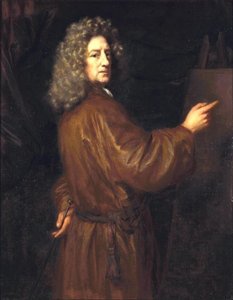
1634 - 1693 , 네덜란드


 미리보기
미리보기
 공유하기
공유하기 공유하기
공유하기
 상세 정보
상세 정보

 다운로드
다운로드
 유사 작품
유사 작품 X-레이
X-레이 슬라이드 쇼
 통계 정보
통계 정보 더 보기
더 보기


