
원하는 크기와 액자로 주문 제작되는, 작가들이 직접 캔버스에 손으로 그린 유화 작품입니다. ( 프린트 판매로 전환 디지털 이미지로 전환)





























작품의 원본 비율을 유지하는 미리 설정된 크기 중에서 선택하세요.

특정 프레임이나 공간에 맞도록 직접 크기를 입력할 수 있습니다. 선택하신 크기가 원본 이미지의 비율과 일치하지 않는 경우, 작품을 자르거나 추가적인 손으로 그린 요소를 사용하여 그림을 확장합니다. 제작 시작 전 승인을 위해 디지털 목업을 보내드립니다.
화면 미리 보기는 실제 자르기 또는 확장을 반영하지 않습니다. 최종 구성은 목업을 통해서만 정확하게 확인하실 수 있습니다.
맞춤 크기 제작도 가능하지만, 원본 비율을 유지하기 위해 사전 정의된 목록에서 크기를 선택하시는 것을 권장합니다.

White Himalayas
복제본 크기
Nicholas Roemerich's “White Himalayas,” painted in 1931, is more than just a depiction of majestic mountain peaks; it’s a profound meditation on the relationship between humanity, nature, and the spiritual realm. This stunning work embodies the core tenets of Roerich’s artistic philosophy – a fervent belief that art should serve as a vehicle for exploring universal truths and promoting peace. The painting immediately draws the viewer into a breathtaking vista of snow-capped mountains rendered in evocative blues, suggesting not merely visual beauty but also an underlying spiritual resonance.
Roerich’s style is characterized by a meticulous attention to detail combined with a loose, expressive brushstroke. He employed a glazing technique – applying thin layers of translucent paint over dried underlayers – to build up color intensity and achieve the luminous quality that defines “White Himalayas.” This layering creates an almost ethereal effect, as if the mountains themselves are radiating light. The artist’s use of impasto—thickly applied paint—adds texture and emphasizes the ruggedness of the terrain while simultaneously softening the overall impression with delicate washes.
“White Himalayas” is deeply rooted in Roerich’s esoteric beliefs, influenced by Anthroposophy – a spiritual philosophy developed by Rudolf Steiner. The mountains themselves are imbued with symbolic meaning, representing the connection between Earth and Heaven, the material and the spiritual. The scattered trees aren't merely decorative elements; they symbolize life, growth, and the interconnectedness of all things. Roerich believed that art could serve as a conduit for channeling cosmic energy, and this conviction is palpably present in the painting’s serene atmosphere and its powerful sense of timelessness. He often incorporated mandalas – complex geometric designs representing the universe – into his work, though not explicitly here, the underlying principles are evident.
Painted in 1931, “White Himalayas” reflects a period of significant artistic and intellectual ferment. Roerich was at the forefront of a movement seeking to bridge science, art, and spirituality. His work gained international recognition for its beauty and philosophical depth, influencing artists and thinkers across Europe and beyond. Today, "White Himalayas" stands as a testament to Roerich’s enduring vision – a powerful reminder of the profound connection between humanity and the natural world, and the transformative potential of artistic expression.


1874 - 1947 , 러시아

낭만주의 시대, 예술혼을 불태운 10대 풍경화 걸작! 터너부터 프리드리히까지, 시대를 초월하는 아름다움을 와후아트에서 만나보세요. 고흐의 색채와 코로의 섬세함이 당신의 공간에 영감을 더합니다. 지금 바로 와후아트에서 명품 미술 작품을 감상하고 구매하세요!

Explore the captivating art of Nicholas Roerich – a visionary painter whose Himalayan landscapes blend spiritual mysticism with cultural preservation. Discover his legacy & symbolism.
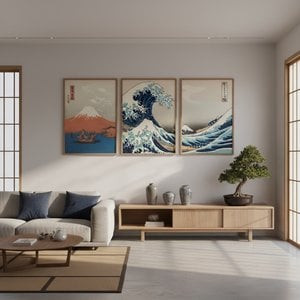
가츠시카 호쿠사이의 최고 걸작 25선을 만나보세요. 우키요에, 대판화 기법과 후지산 풍경의 아름다움을 담은 명작들을 감상하고, WahooArt에서 고품질 아트 프린트와 인테리어 액자를 찾아보세요. 지금 바로 컬렉션을 탐험하세요!

Explore the world of giclée prints with WahooArt. Learn about archival quality, aesthetic nuances & investment potential. Expert guidance for discerning art collectors seeking museum-quality reproductions and lasting value.
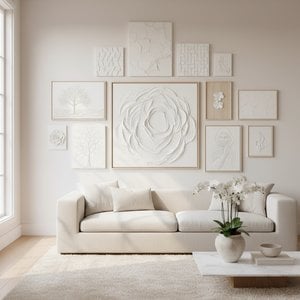
Explore 10 iconic white paintings by Monet, Whistler & Rothko! Discover the stories behind these serene masterpieces and their impact on art history. Find museum-quality reproductions for your home decor at .


 미리보기
미리보기
 공유하기
공유하기 공유하기
공유하기
 상세 정보
상세 정보 가이드 보기

 다운로드
다운로드
 유사 작품
유사 작품 X-레이
X-레이 슬라이드 쇼
 통계 정보
통계 정보

 더 보기
더 보기









 유리 옵션은 110cm 미만 크기에서만 선택 가능합니다.


