
빠른 제작과 다양한 마감 옵션을 제공하는 박물관 품질의 지클레이 또는 캔버스 프린트. ( 손으로 그린 그림 구매 디지털 이미지로 전환)





























작품의 원본 비율을 유지하는 미리 설정된 크기 중에서 선택하세요.

특정 프레임이나 공간에 맞춰 직접 치수를 입력하실 수 있습니다. 선택하신 사이즈가 원본 이미지의 비율과 일치하지 않을 경우, 작품을 크롭(자르기)하거나 이미지를 대칭 또는 단색 채우기로 확장하여 제작합니다. 제작 시작 전, 최종 확인을 위해 디지털 목업이 전송됩니다.
화면상의 미리보기는 실제 크롭이나 확장 상태를 반영하지 않으므로, 최종 구도는 오직 목업을 통해서만 정확하게 확인하실 수 있습니다.
맞춤 사이즈 제작도 가능하지만, 원본 비율을 유지하기 위해서는 사전 정의된 목록에서 치수를 선택하시는 것을 권장합니다.

Pantokrator
복제본 크기
Nicholas Roerich’s “Pantokrator,” completed in 1909 during his formative years as an artist, stands as a testament to the burgeoning Symbolist movement and Roerich's profound engagement with Eastern mysticism. More than just a depiction of Jesus Christ seated upon a throne – though that is undeniably central to its composition – it’s an immersive experience designed to transport the viewer into a realm of spiritual contemplation.
The painting embodies the aesthetic principles of Art Nouveau, characterized by flowing lines, organic forms, and a harmonious blend of decorative elements. Roerich skillfully employs curvilinear contours to convey movement and grace, mirroring the undulating landscapes of Tibet – a region that would profoundly influence his artistic vision throughout his life. The muted palette—primarily golds, browns, and blues—creates an atmosphere of serenity and luminosity, reflecting the ethereal quality of divine presence.
Painted against the backdrop of a period marked by intellectual ferment and spiritual yearning within Russia, “Pantokrator” reflects the broader cultural currents of its time. The Symbolist movement sought to transcend rational thought and explore the realm of subconscious experience, aiming to capture intangible truths through artistic expression. Roerich’s work aligns with this ethos, representing an attempt to communicate a deeper understanding of faith and humanity's relationship with the cosmos.
The radiant sun dominating the upper portion of the canvas serves as a potent symbol of divine illumination – illuminating Christ’s throne and casting its glow upon the figures below. The throne itself represents authority and majesty, yet it is positioned in an unassuming posture, suggesting humility alongside grandeur. Roerich's meticulous attention to detail—particularly in portraying the drapery and facial expressions—aims to convey not merely visual accuracy but also emotional resonance.
"Pantokrator" transcends mere representation; it aspires to evoke a feeling of profound peace and contemplation. Roerich’s masterful use of color and composition invites the viewer into a meditative state, encouraging introspection and fostering an appreciation for the sublime beauty of spiritual truth. It remains a captivating artwork that continues to inspire awe and wonder in those who encounter its timeless vision.


1874 - 1947 , 러시아

Explore the profound power of religious symbolism in art history. From Renaissance masterpieces to sacred iconography, uncover the hidden meanings behind divine details in a deep dive into classical art excellence.
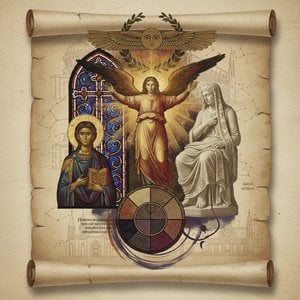
Explore the profound impact of spiritual themes in fine art. From Renaissance iconography to Baroque drama, discover how sacred symbolism and divine visions have shaped art history through a scholarly and reflective lens.

Discover the exquisite world of Art Nouveau. Explore the elegant fusion of nature and design through architectural masterpieces, organic forms, and the legendary masters of the Belle Époque. Immerse yourself in a journey of timeless sophistication and ornamental beauty.
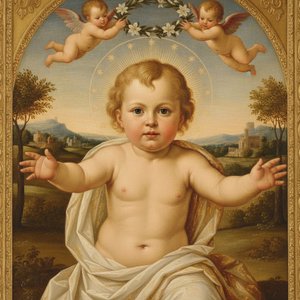
Explore the profound beauty of Baby Jesus in fine art history. From Raphael's Renaissance masterpieces to symbolic light, discover how classical painters captured divine innocence through masterful technique and sacred iconography.

Discover the enchanting world of Art Nouveau. Explore the flowing lines of Alphonse Mucha and learn how to integrate these timeless, organic masterpieces into your collection with expert guidance on fine art appreciation and preservation.


 미리보기
미리보기
 공유하기
공유하기 공유하기
공유하기
 상세 정보
상세 정보

 다운로드
다운로드
 유사 작품
유사 작품 X-레이
X-레이 슬라이드 쇼
 통계 정보
통계 정보

 더 보기
더 보기









 유리 옵션은 110cm 미만 크기에서만 선택 가능합니다.


