
 Acrylic On CanvasWallArtSymbolist Movement
 192619th Century
 73.0 x 119.0 cm
빠른 제작과 다양한 마감 옵션을 제공하는 박물관 품질의 지클레이 또는 캔버스 프린트. ( 손으로 그린 그림 구매 디지털 이미지로 전환)





























작품의 원본 비율을 유지하는 미리 설정된 크기 중에서 선택하세요.

특정 프레임이나 공간에 맞춰 직접 치수를 입력하실 수 있습니다. 선택하신 사이즈가 원본 이미지의 비율과 일치하지 않을 경우, 작품을 크롭(자르기)하거나 이미지를 대칭 또는 단색 채우기로 확장하여 제작합니다. 제작 시작 전, 최종 확인을 위해 디지털 목업이 전송됩니다.
화면상의 미리보기는 실제 크롭이나 확장 상태를 반영하지 않으므로, 최종 구도는 오직 목업을 통해서만 정확하게 확인하실 수 있습니다.
맞춤 사이즈 제작도 가능하지만, 원본 비율을 유지하기 위해서는 사전 정의된 목록에서 치수를 선택하시는 것을 권장합니다.

Moses the Leader
복제본 크기
Nicholas Roemerich’s “Moses the Leader,” completed in 1926, is more than just a painting; it's an immersive experience, a journey into the heart of Symbolist thought and a testament to the artist’s profound spiritual quest. Measuring 73 x 119 cm, this tempera work immediately draws the viewer into its nocturnal drama – a solitary figure, Moses himself, stands atop a towering mountain peak, his sword raised not in aggression, but in a gesture of unwavering leadership, gazing upwards towards an unseen force. The painting’s power resides in its deliberate ambiguity, inviting contemplation on themes of faith, destiny, and humanity's relationship with the cosmos.
Roerich was a master of symbolic representation, deeply influenced by esoteric traditions and his own philosophical explorations. “Moses the Leader” exemplifies this approach perfectly. The nighttime setting isn’t merely atmospheric; it represents the realm of the unknown, where spiritual truths are revealed. Moses' posture – upright, resolute, yet vulnerable in his upward gaze – speaks to a willingness to confront both earthly challenges and divine mysteries. The sword, a recurring motif in Roerich’s work, symbolizes not physical power but rather the strength of conviction and moral authority. The painting aligns with the broader Symbolist movement's desire to evoke emotions and ideas through suggestive imagery rather than literal depiction.
Created using tempera, a technique favored by Roerich for its luminous quality and ability to build rich textures, “Moses the Leader” boasts an impressive depth of color and detail. The artist’s meticulous brushwork creates a palpable sense of the mountain's ruggedness and the vastness of the night sky. The use of tempera lends itself beautifully to Roerich’s style, allowing for subtle gradations in tone and creating a captivating interplay of light and shadow that dramatically enhances the painting’s symbolic weight. The texture achieved through layering and glazing contributes significantly to the artwork's overall impact.
Painted in 1926, “Moses the Leader” reflects Roerich’s evolving artistic vision during a period of intense intellectual and spiritual ferment. His work frequently draws upon ancient myths and legends, seeking to connect with universal human experiences. The painting shares thematic resonances with other works from his oeuvre, such as "Bharagarh Fort" and "From Kurul to Karakoram range," all demonstrating Roerich’s fascination with exploring the intersection of humanity, nature, and spirituality. Furthermore, it's important to note Roerich's connection to the Hirschsprung Collection in Copenhagen, a significant repository of Danish art from the 19th and early 20th centuries, highlighting his engagement within broader European artistic dialogues.
"Moses the Leader" is a profoundly evocative work that resonates with viewers on multiple levels. It’s a painting about leadership, faith, and the human spirit's yearning for connection to something greater than itself. The solitary figure against the dramatic backdrop of the night sky inspires feelings of awe, contemplation, and perhaps even a touch of melancholy. It invites us to consider our own place in the universe and the responsibilities that come with striving towards enlightenment. This piece is ideal for those seeking a work that transcends mere decoration, offering instead a rich source of artistic and philosophical reflection.


1874 - 1947 , 러시아

An expert guide for art collectors exploring the chemistry and artistry of oil, acrylic, tempera, and watercolor. Discover how medium specificity and material integrity define the longevity and value of fine art masterpieces.

Explore the profound tension between Impressionism's light-drenched realism and Symbolism's evocative dreamscapes. An expert art-historical journey into how 19th-century masters captured both the visible world and the unseen human psyche through myth, metaphor, and emotion.
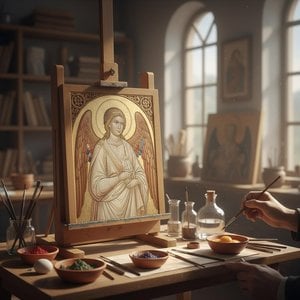
Unveil the sacred secrets of egg tempera on panel. Journey through the technical mastery and profound artistry of the Old Masters, from Giotto to Botticelli. An essential educational guide for Renaissance art enthusiasts seeking deep historical insight and expertise.


 미리보기
미리보기
 공유하기
공유하기 공유하기
공유하기
 상세 정보
상세 정보

 다운로드
다운로드
 유사 작품
유사 작품 X-레이
X-레이 슬라이드 쇼
 통계 정보
통계 정보 더 보기
더 보기









 유리 옵션은 110cm 미만 크기에서만 선택 가능합니다.


