Acrylic On CanvasWallArtSymbolism
 192219th Century
 58.0 x 79.0 cm
원하는 크기와 액자로 주문 제작되는, 작가들이 직접 캔버스에 손으로 그린 유화 작품입니다. ( 프린트 판매로 전환 디지털 이미지로 전환)





























작품의 원본 비율을 유지하는 미리 설정된 크기 중에서 선택하세요.

특정 프레임이나 공간에 맞도록 직접 크기를 입력할 수 있습니다. 선택하신 크기가 원본 이미지의 비율과 일치하지 않는 경우, 작품을 자르거나 추가적인 손으로 그린 요소를 사용하여 그림을 확장합니다. 제작 시작 전 승인을 위해 디지털 목업을 보내드립니다.
화면 미리 보기는 실제 자르기 또는 확장을 반영하지 않습니다. 최종 구성은 목업을 통해서만 정확하게 확인하실 수 있습니다.
맞춤 크기 제작도 가능하지만, 원본 비율을 유지하기 위해 사전 정의된 목록에서 크기를 선택하시는 것을 권장합니다.

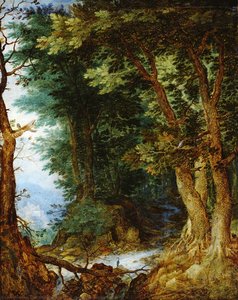
Language of forest
복제본 크기
“The Language of the Forest,” painted in 1922 by the visionary Nicholas Roerich, is more than just a depiction of a serene woodland scene; it's an immersive exploration of spiritual and symbolic landscapes. This evocative artwork, measuring 58 x 79 cm, captures a moment of profound tranquility within a forest setting – a carefully constructed tableau designed to resonate with viewers on multiple levels. The painting’s immediate appeal lies in its masterful rendering of light and atmosphere, particularly the dramatic interplay of sunset hues that bathe the trees and mountains in a warm, golden glow. Roerich's meticulous attention to detail, from the textured bark of the foreground trees to the distant peaks, creates a palpable sense of depth and scale, drawing the viewer into the heart of the composition.
Roerich’s work is deeply rooted in his exploration of esoteric philosophies and spiritual traditions, particularly those originating from the East. “The Language of the Forest” exemplifies this influence through its symbolic representation of nature as a conduit to higher consciousness. The forest itself becomes a sacred space, imbued with layers of meaning – a recurring motif throughout Roerich’s oeuvre. The presence of figures within the scene—seated on rocks and standing amongst the trees—suggests human connection with this natural world, inviting contemplation and reverence. The painting's Symbolist style, as confirmed by WikiArt, emphasizes mood and suggestion over realistic representation, prioritizing emotional impact and spiritual significance.
Executed in oil on canvas, Roerich’s technique is characterized by a rich, layered application of paint. He employed a glazing method—building up color through translucent washes—to achieve the luminous effects so characteristic of his work. The brushwork is deliberate yet fluid, conveying both precision and an intuitive understanding of light and shadow. Roerich's meticulous preparation of pigments, often incorporating minerals and precious materials, contributed to the depth and vibrancy of his palette. This dedication to material quality ensured that each reproduction would retain a remarkable fidelity to the original’s textural richness.
Created in 1922, “The Language of the Forest” reflects a pivotal moment in Roerich's artistic development. Following his travels through Central Asia and Tibet, he became increasingly fascinated with ancient cultures and spiritual traditions. This period saw him develop his unique visual language—a synthesis of Western artistic techniques and Eastern philosophical concepts—aimed at promoting intercultural understanding and advocating for peace. The painting can be viewed as a testament to Roerich’s belief in the interconnectedness of all things, reflecting his lifelong commitment to exploring the spiritual dimensions of art and life.

1874 - 1947 , 러시아

Elevate luxury interiors with exquisite mountain oil painting reproductions. From Romanticism to the Hudson River School, WahooArt offers bespoke, hand-painted masterpieces and large-scale murals tailored for hotel designers and elite collectors worldwide.


 미리보기
미리보기
 공유하기
공유하기 공유하기
공유하기
 상세 정보
상세 정보 가이드 보기

 다운로드
다운로드
 유사 작품
유사 작품 X-레이
X-레이 슬라이드 쇼
 통계 정보
통계 정보 더 보기
더 보기









 유리 옵션은 110cm 미만 크기에서만 선택 가능합니다.