
빠른 제작과 다양한 마감 옵션을 제공하는 박물관 품질의 지클레이 또는 캔버스 프린트. ( 손으로 그린 그림 구매 디지털 이미지로 전환)





























작품의 원본 비율을 유지하는 미리 설정된 크기 중에서 선택하세요.

특정 프레임이나 공간에 맞춰 직접 치수를 입력하실 수 있습니다. 선택하신 사이즈가 원본 이미지의 비율과 일치하지 않을 경우, 작품을 크롭(자르기)하거나 이미지를 대칭 또는 단색 채우기로 확장하여 제작합니다. 제작 시작 전, 최종 확인을 위해 디지털 목업이 전송됩니다.
화면상의 미리보기는 실제 크롭이나 확장 상태를 반영하지 않으므로, 최종 구도는 오직 목업을 통해서만 정확하게 확인하실 수 있습니다.
맞춤 사이즈 제작도 가능하지만, 원본 비율을 유지하기 위해서는 사전 정의된 목록에서 치수를 선택하시는 것을 권장합니다.

Forging the sword (Nibelung)
복제본 크기
In the dim, flickering light of a subterranean sanctuary, a primal drama unfolds upon the canvas of “Forging the sword (Nibelung).” Painted in 1941 by the visionary polymath Nicholas Roerich, this masterpiece transcends the boundaries of mere historical illustration to become a profound meditation on the human spirit. The scene captures a moment of intense physical and spiritual labor: a solitary figure, muscles tensed with purpose, strikes glowing metal upon an anvil within the depths of a cavernous cave. Flanked by two dedicated companions, the blacksmith is not merely shaping steel; he is participating in a ritual of creation. The atmosphere is thick with the scent of smoke and the heat of the forge, inviting the viewer to step into a realm where the boundaries between the physical world and the mythological plane dissolve.
Roerich, a master of the Symbolism movement, eschews the clinical precision of realism in favor of an evocative, emotional truth. Every element within the composition serves a higher narrative purpose. The sword itself—a central icon of Norse mythology—stands as a potent symbol of power, courage, and the righteous defense of one's ideals. As the hammer falls, it represents the arduous process of spiritual development, suggesting that true strength and enlightenment are forged through perseverance and the heat of life's many trials. The presence of birds drifting through the shadows adds a touch of ethereal movement, hinting at the breath of life and the transcendence of the soul even amidst the heavy, earthbound toil of the forge.
Technically, the painting is a triumph of texture and light. Roerich employs a rich, earthy palette dominated by deep ochres, burnt umbers, and fiery reds, creating an environment that feels both ancient and alive. His use of the thick impasto technique lends a sculptural quality to the work; the paint sits heavily upon the canvas, mirroring the ruggedness of the cave walls and the visceral weight of the iron being shaped. This tactile depth is brilliantly contrasted by the strategic application of light. The glow from the central fire acts as a spiritual beacon, sculpting the figures out of the darkness and casting long, dramatic shadows that heighten the sense of mystery and monumental grandeur.
For the discerning collector or interior designer, this piece offers more than just aesthetic beauty; it provides a profound emotional anchor. The painting’s ability to command attention through its somber yet energetic composition makes it an extraordinary centerpiece for spaces designed for contemplation and intellectual depth. Whether placed in a private library, a sophisticated study, or a curated gallery setting, a high-quality reproduction of this work brings with it the weight of history and the enduring legacy of Roerich’s quest for peace and cultural preservation. It is an invitation to reflect on our own journeys of transformation, reminding us that even in the darkest caverns of existence, greatness is being forged.


1874 - 1947 , 러시아

Discover the enduring allure of metal art. Explore how masterfully forged sculptures blend industrial strength with organic elegance to create timeless investment pieces for sophisticated collectors and luxury interiors.

Explore the breathtaking world of the Pre-Raphaelite Brotherhood. Discover how this movement redefined Victorian art through vivid detail, mythological depth, and romanticism. An expert guide for classic art enthusiasts seeking to rediscover these timeless masterpieces.
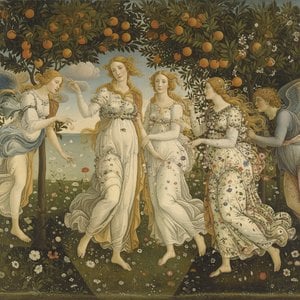
Explore the ethereal beauty of Sandro Botticelli's masterpieces. Delve into the profound symbolism, mythological grace, and technical mastery that define the Italian Renaissance through an expert art-historical lens.

Embark on a sophisticated journey through the eternal allure of mythological art. Discover how master painters breathe life into ancient legends, from Greek deities to Baroque masterpieces, and learn to curate these timeless narratives within your own exquisite art collection.

Explore the profound beauty of mythological figures through the lens of art history. From Renaissance masterpieces to custom oil reproductions, discover how legendary tales of heroism and divinity are immortalized in fine art for discerning collectors.


 미리보기
미리보기
 공유하기
공유하기 공유하기
공유하기
 상세 정보
상세 정보 가이드 보기

 다운로드
다운로드
 유사 작품
유사 작품 X-레이
X-레이 슬라이드 쇼
 통계 정보
통계 정보

 더 보기
더 보기









 유리 옵션은 110cm 미만 크기에서만 선택 가능합니다.


