


 TemperaWallArtSymbolist Art Style
 1925Modern
 73.0 x 117.0 cm




























작품의 원본 비율을 유지하는 미리 설정된 크기 중에서 선택하세요.

특정 프레임이나 공간에 맞도록 직접 크기를 입력할 수 있습니다. 선택하신 크기가 원본 이미지의 비율과 일치하지 않는 경우, 작품을 자르거나 추가적인 손으로 그린 요소를 사용하여 그림을 확장합니다. 제작 시작 전 승인을 위해 디지털 목업을 보내드립니다.
화면 미리 보기는 실제 자르기 또는 확장을 반영하지 않습니다. 최종 구성은 목업을 통해서만 정확하게 확인하실 수 있습니다.
맞춤 크기 제작도 가능하지만, 원본 비율을 유지하기 위해 사전 정의된 목록에서 크기를 선택하시는 것을 권장합니다.

Buddha the Winner
복제본 크기
In the quietude of 1925, Nicholas Roerich captured something far more profound than a mere landscape; he distilled the very essence of spiritual triumph in his masterpiece, “Buddha the Winner.” To gaze upon this tempera work is to step away from the frantic rhythms of modern existence and enter a sacred, subterranean sanctuary. The painting presents us with an underwater or cavernous realm, where stalactites descend like frozen prayers from a ceiling lost in shadow. Within this husance, Roerich orchestrates a breathtaking dialogue between light and darkness, guiding the viewer’s soul toward a central figure of incomparable peace. It is not simply a depiction of a deity, but an invitation to undergo a personal meditation, mirroring the profound stillness sought by practitioners of ancient Eastern philosophies.
The technical execution of this piece reveals Roerich’s mastery over the tempera medium, a choice that lends the canvas a unique, almost tactile luminosity. Unlike the fluid transparency of watercolor, the tempera allows for a rich, layered depth that gives the cave's textures—the rugged stone and the delicate drip of minerals—a palpable presence. The artist employs a palette dominated by warm, radiant golds and oranges that seem to emanate from the Buddha himself, suggesting an internal enlightenment that defies the surrounding gloom. These fiery tones are masterfully contrasted against deep, ethereal blues in the background, creating a sense of infinite space that hints at a dimension existing far beyond the physical confines of the cave.
Every element within Roerich’s composition serves as a symbolic vessel for his deeper philosophical inquiries. The central figure of the Buddha sits in a posture of absolute composure, embodying the "winner" of the title—not one who has conquered lands, but one who has triumphed over the turbulence of the ego and the suffering of the material world. This sense of victory is echoed by the presence of birds scattered throughout the scene; these creatures act as messengers of freedom, representing the soul's ability to ascend beyond earthly constraints. Roerich, a polymath deeply immersed in Theosophy and Eastern mysticism, utilizes these motifs to weave a narrative of spiritual evolution and the ultimate liberation of the human spirit.
For the discerning collector or interior designer, “Buddha the Winner” offers more than mere aesthetic beauty; it provides an emotional anchor for a space. The painting possesses a rare ability to transform a room into a sanctuary of contemplation. Its balanced composition and harmonious color temperature make it a sophisticated centerpiece for those seeking to infuse their environments with a sense of Zen-like tranquility and intellectual depth. Whether placed in a quiet study or a grand living hall, this reproduction serves as a window into the sublime, reminding all who encounter it of the enduring power of inner peace and the luminous beauty found within the shadows of our own introspection.


1874 - 1947 , 러시아
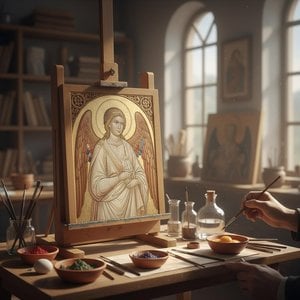
Unveil the sacred secrets of egg tempera on panel. Journey through the technical mastery and profound artistry of the Old Masters, from Giotto to Botticelli. An essential educational guide for Renaissance art enthusiasts seeking deep historical insight and expertise.


 미리보기
미리보기
 프린트 구매
 공유하기
공유하기 공유하기
공유하기
 상세 정보
상세 정보

 다운로드
다운로드
 유사 작품
유사 작품 X-레이
X-레이 슬라이드 쇼
 더 보기
더 보기









 유리 옵션은 110cm 미만 크기에서만 선택 가능합니다.


