
 Gothic Illumination
 1342
1342 15.0 x 16.0 cm
빠른 제작과 다양한 마감 옵션을 제공하는 박물관 품질의 지클레이 또는 캔버스 프린트. ( 손으로 그린 그림 구매 디지털 이미지로 전환)
작품의 원본 비율을 유지하는 미리 설정된 크기 중에서 선택하세요.

특정 프레임이나 공간에 맞춰 직접 치수를 입력하실 수 있습니다. 선택하신 사이즈가 원본 이미지의 비율과 일치하지 않을 경우, 작품을 크롭(자르기)하거나 이미지를 대칭 또는 단색 채우기로 확장하여 제작합니다. 제작 시작 전, 최종 확인을 위해 디지털 목업이 전송됩니다.
화면상의 미리보기는 실제 크롭이나 확장 상태를 반영하지 않으므로, 최종 구도는 오직 목업을 통해서만 정확하게 확인하실 수 있습니다.
맞춤 사이즈 제작도 가능하지만, 원본 비율을 유지하기 위해서는 사전 정의된 목록에서 치수를 선택하시는 것을 권장합니다.

Untitled (D2XB3S)
복제본 크기

In the golden, sun-drenched landscape of mid-fourteenth-century Siena, a period defined by spiritual fervor and artistic refinement, the name Niccolò di Ser Sozzo resonates as a symbol of the Sienese Gothic zenith. Though his life remains partially veiled by the mists of history—with scholars still debating whether he was the Niccolò di Ser Sozzo di Francesco Tegliacci or the more recently proposed Niccolò di Ser Sozzo di Stefano—his presence in the annals of Italian art is undeniable. Active primarily between 1334 and 1363, Sozzo emerged not merely as a painter, but as a master of light and delicate line, a virtuoso who could breathe life into both monumental panels and the most intimate manuscript leaves.
The foundations of his style were laid within the prestigious workshops of Siena, where the echoes of Simone Martini and the Lorenzetti brothers provided a rich, instructional atmosphere. It is widely believed that Sozzo’s formative years were spent absorbing the stylistic nuances of these pioneers, inheriting their ability to blend profound theological symbolism with an ethereal, almost weightless beauty. His work represents a sophisticated evolution of this tradition, moving toward a more refined, decorative elegance that would define the Sienese school during its most prosperous era.
Sozzo’s artistic identity was uniquely dualistic, finding equal expression in the grand scale of altarpieces and the microscopic precision of manuscript illumination. His most enduring contribution to the world of art is perhaps the breathtaking frontispiece of the Codex Caleffo, Siena’s historic land registry book. In this monumental depiction of the Assumption of the Virgin, Sozzo demonstrated an unparalleled command over color and composition. The panel, inscribed with his proud signature, serves as a testament to his technical prowess, utilizing gold leaf and vibrant pigments to create a celestial vision that feels both physically present and spiritually transcendent.
Beyond this singular masterpiece, his hand can be found guiding the eyes of the faithful through various religious texts and liturgical works. His skill as a miniaturist allowed him to transform simple parchment into windows to the divine. In his illuminated manuscripts, one observes:
The historical significance of Niccolò di Ser Sozzo lies in his role as a bridge between the foundational masters of the early Trecento and the burgeoning complexities of the later Gothic period. His style, characterized by a certain lyrical grace and a preference for delicate, flowing contours, helped solidify Siena's reputation as a center of unparalleled decorative beauty. Even as the artistic tides began to shift toward the more robust naturalism of other regions, Sozzo’s commitment to the Sienese aesthetic—one of elegance, light, and spiritual intimacy—remained a beacon of cultural identity.
Today, when we gaze upon his surviving works, whether in the archives of Siena or within the prestigious collections of international museums, we are not merely looking at relics of the past. We are witnessing the heartbeat of a vanished era. Through his mastery of the Ascension and the Assumption, Sozzo captured the very essence of the medieval soul: a longing for the divine, expressed through the most exquisite earthly materials. His legacy remains etched in gold and pigment, a permanent fragment of the celestial beauty he sought to manifest on earth.
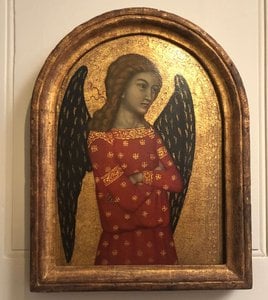
1334 - 1363 , Italy

Embark on a journey through time with our deep dive into the exquisite beauty of illuminated manuscripts. Discover the sacred artistry, precious materials, and enduring legacy of medieval illumination in this cultural exploration for history lovers.
Explore the exquisite elegance of International Gothic art. Discover the mastery of illuminated manuscripts, the brilliance of gold leaf, and the legacy of the Limbourg Brothers in this expert guide to Europe's sophisticated medieval dawn.

Embark on a scholarly journey through the sacred beauty of High Medieval art. Discover the profound symbolism, luminous iconography, and spiritual depth of Gothic masterpieces in this expert guide for classical art enthusiasts.
Embark on a journey through the dramatic era of Gothic art. Discover the profound beauty of illuminated manuscripts, sacred gold leaf masterpieces, and the transition to naturalism in this expert-led exploration of medieval artistry and historical grandeur.

Embark on a visual journey through Early Medieval art. Explore the profound beauty of illuminated manuscripts, sacred symbols, and golden light through an expert historical lens, celebrating the enduring legacy of medieval craftsmanship and divine artistry.


 미리보기
미리보기
 공유하기
공유하기 공유하기
공유하기
 상세 정보
상세 정보

 다운로드
다운로드
 유사 작품
유사 작품 X-레이
X-레이 슬라이드 쇼
 통계 정보
통계 정보 더 보기
더 보기






































 유리 옵션은 110cm 미만 크기에서만 선택 가능합니다.


