Oil On CanvasWallArtPop Art
 1986Renaissance
 50.0 x 50.0 cm
 보스니아 헤르체고비나 국립 미술관
온라인 미리보기보다 훨씬 뛰어난 품질의 고해상도 디지털 이미지를 구매해 보세요.
각 파일은 사내 전문가가 고급 도구와 숙련된 수동 리터칭 기술을 사용하여 세심하게 준비합니다. 우리는 모든 이미지가 탁월한 선명도, 정확한 색상 재현력, 그리고 미세한 디테일까지 완벽하게 갖추도록 보장합니다.
최종 파일은 전문적인 편집 및 인쇄 환경에서 즉시 사용할 수 있도록 최적화되어 72시간 이내에 이메일로 발송됩니다. 이는 세계적인 디자인 스튜디오, 출판사 및 갤러리가 신뢰하는 것과 동일한 품질입니다.
개인 소장 및 전시, 인쇄, 창작 프로젝트를 위한 고해상도 파일을 다운로드하세요. ( 프린트 판매로 전환 수작업 채색 복제본 주문하기)
WahooArt.com를 선택하시면 단순히 이미지를 받는 것을 넘어, 정밀한 보정 과정을 거쳐 완성된 전문적인 디지털 예술 작품을 만나보실 수 있습니다. 모든 작품에는 만족 보장 서비스가 함께 제공되며, 주문 시 다음과 같은 사항들이 자동으로 포함됩니다:
주문 후 72시간 이내에 고해상도 디지털 이미지 파일이 이메일로 발송되며, 즉시 사용하실 수 있습니다.
귀하의 작품은 고급 AI 기술과 정교한 수동 편집 과정을 거쳐 전문적으로 최적화되며, 이를 통해 디테일과 선명도, 색상의 정확도를 극대화합니다.
파일을 실수로 삭제하거나 분실하셨나요? 걱정 마세요. 언제든 무료로 다시 보내드립니다.
관세나 부가세, 배송비 부담 없이 작품을 즉시 소장하세요 - 디지털 다운로드는 언제나 면세 혜택이 적용됩니다.
전문적인 도구와 색상 관리 시스템을 통해 디지털 이미지가 원본의 색상을 최대한 정확하게 구현하도록 보장합니다.
구매하신 디지털 이미지에 만족하지 못하실 경우, 100일 이내에 별도의 조건 없이 수정 또는 100% 환불을 진행해 드립니다.
만족스럽지 않으신가요? 디지털 파일을 받으신 후 100일 이내에 조건 없이 전액 환불해 드립니다.
이미지 3매 구매 시 10% 할인 - 5매 구매 시 15% 할인 - 10매 이상 구매 시 20% 할인. 크리에이티브 프로젝트, 갤러리, 에이전시에 매우 유용합니다.
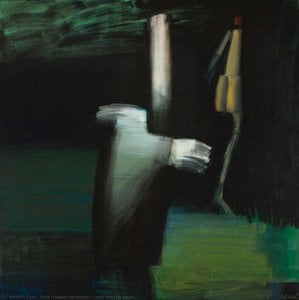
This evocative landscape painting by Narcis Kantardžić, created in 1986, immediately draws the viewer into a scene brimming with quiet contemplation and subtle beauty. The artwork depicts a solitary figure standing on a dramatic cliff edge, gazing out over a vast expanse of water beneath a sky painted with delicate clouds. It’s a composition that speaks to the timeless human desire for connection – with nature, with oneself, and perhaps, with something beyond.
Executed in oil on canvas, ‘Landscape’ showcases Kantardžić's skillful command of texture and light. The brushwork is evident yet controlled, creating a rich surface that captures the nuances of both the natural elements and the human form. The use of impasto – thick application of paint – particularly noticeable in the cliff face, adds depth and physicality to the scene, grounding the viewer in the tangible reality of the landscape. The color palette, dominated by blues and greys with subtle highlights, evokes a sense of atmospheric perspective, enhancing the painting’s three-dimensional quality.
Beyond its immediate visual appeal, ‘Landscape’ is rich in symbolic potential. The boat on the water below represents human endeavor and connection to the world, while the birds soaring overhead symbolize freedom and aspiration. The solitary figure's stance suggests a yearning for understanding or perhaps a search for meaning within the immensity of nature. The cloudy sky adds an element of mystery and uncertainty, mirroring the complexities of the human condition.
Created in 1986, this work reflects a broader trend in landscape painting – a return to representational realism combined with a heightened awareness of atmosphere and emotion. While Kantardžić’s style isn't overtly tied to any specific movement, it shares affinities with the Romantic tradition’s emphasis on sublime landscapes and the individual’s relationship with nature. The piece’s quiet intensity and contemplative mood resonate with a desire for introspection that was increasingly prevalent in art during this period.
Narcis Kantardžić의 "Landscape"에는 Green to Violet Spectrum 빛깔이 감돕니다.
Calm 분위기를 자아내는 "Landscape"은(는) Living Room에 추천합니다.
Narcis Kantardžić의 "Landscape"에 사용된 색상들은 Balanced 강도를 띱니다.

Born in Derventa, Bosnia and Herzegovina, Narcis Kantardžić has cultivated a visual language that bridges the artistic traditions of the former Yugoslavia with the contemporary sensibilities of Slovenia. A graduate of the Academy of Fine Arts in Sarajevo, where he studied under Professor Milorad Čorović, his early career was marked by a profound engagement with the cultural pulse of Sarajevo. In 1982, alongside fellow graduates, he co-founded the influential art collective Zvono, an avant-garde group known for its street exhibitions and experimental spirit that energized the local scene during the 1980s. His journey eventually led him from the turbulent years of the Balkan wars to Celje, Slovenia, a transition that would profoundly shape the thematic depth of his later works.
The essence of Kantardžić’s oeuvre lies in its ability to evoke a sense of metaphysical wonder and quiet contemplation. His paintings often feature distant, romantic landscapes that serve as much more than mere scenery; they are active participants in an emotional narrative. A recurring motif in his work is the tower—ranging from monumental, ancient fortresses to the haunting imagery of burning industrial complexes. These vertical structures, set against expansive skies and vast bodies of water, create a tension between the permanence of architecture and the ephemeral nature of time. In works such as Landscape (1986), the presence of a solitary figure often serves not as a portrait of a person, but as a symbol of profound loneliness and the human desire for connection within an immense, sometimes post-apocalyptic, world.
Throughout his development, Kantardžić has demonstrated a remarkable command over diverse media. While his early years involved experimentation with video, installation, scenography, and performance, his recent focus has returned to the mastery of painting and graphic art. His oil on canvas works are particularly noted for their sophisticated use of light and shadow, blending the precision reminiscent of the Renaissance with the sublime atmosphere of Romanticism. He utilizes techniques such as impasto—the thick, textured application of paint—to grant physical depth to natural elements like cliff faces, grounding his more ethereal subjects in a tangible reality.
The artist's palette often leans toward atmospheric blues and greys, punctuated by subtle highlights that enhance the three-dimensional quality of his compositions. This meticulous approach to color and light creates a sense of scale and grandeur, emphasizing the delicate balance between vulnerability and resilience. His work continues to resonate through its minimalist framing and intricate play of textures, offering a profound reflection on civilization, architecture, and the enduring human condition.
Kantardžić’s influence extends far beyond the borders of Slovenia. He has exhibited his work extensively across the former Yugoslavia and internationally, with notable appearances in art hubs such as London, Budapest, Ravenna, and Trieste. His contributions to the arts have been recognized through numerous Slovenian awards for painting, and he remains an active figure in art education, teaching at a drawing and painting school near his studio in Celje.
His artistic journey is characterized by several key milestones:

1958 -

 실제 크기로 보기
 보내기
보내기 공유하기
공유하기
 상세 보기
상세 보기 가이드 보기

 이미지 다운로드
 유사 작품 더 보기
 X-레이
X-레이 슬라이드 쇼 보기
 통계 정보
통계 정보 상세 보기
상세 보기