
원하는 크기와 액자로 주문 제작되는, 작가들이 직접 캔버스에 손으로 그린 유화 작품입니다. ( 프린트 판매로 전환 디지털 이미지로 전환)





























작품의 원본 비율을 유지하는 미리 설정된 크기 중에서 선택하세요.

특정 프레임이나 공간에 맞도록 직접 크기를 입력할 수 있습니다. 선택하신 크기가 원본 이미지의 비율과 일치하지 않는 경우, 작품을 자르거나 추가적인 손으로 그린 요소를 사용하여 그림을 확장합니다. 제작 시작 전 승인을 위해 디지털 목업을 보내드립니다.
화면 미리 보기는 실제 자르기 또는 확장을 반영하지 않습니다. 최종 구성은 목업을 통해서만 정확하게 확인하실 수 있습니다.
맞춤 크기 제작도 가능하지만, 원본 비율을 유지하기 위해 사전 정의된 목록에서 크기를 선택하시는 것을 권장합니다.

Vasant
복제본 크기
In the delicate brushstrokes of Nandalal Bose’s 1925 masterpiece, Vasant, we are transported to a moment where time seems to pause in celebration of nature's rebirth. The painting captures the very essence of the arrival of spring, a season known in India as the king of all seasons. Through a rhythmic arrangement of figures, Bose depicts a lively outdoor gathering where dancers move with an effortless grace against a backdrop of lush, budding trees. There is a profound sense of movement captured on the canvas; the figures do not merely stand, they sway and swirl, inviting the viewer to join in their communal dance. The presence of a solitary man and the small, intimate detail of a handbag resting upon the earth ground this ethereal celebration in a tangible, human reality, suggesting a festive afternoon spent amidst the blossoming landscape.
The technique employed by Bose is a testament to his mastery of the "Indian style," a sophisticated blend of traditional Indian aesthetics and Persian influences. In Vasant, one can observe how he utilizes line and form to evoke emotion rather than mere anatomical precision. His lines are fluid and lyrical, mirroring the undulating motions of the dancers themselves. The composition is balanced yet dynamic, guiding the eye from the spirited figures on the periphery toward the heart of the celebration. This approach allows the atmosphere of the painting to breathe, creating a sense of openness that mimics the fresh, invigorating air of the Vasant Panchami festival. For the discerning collector, this piece offers more than just visual beauty; it provides a window into a refined artistic lineage that seeks to revive classical Indian elegance through modern expression.
Beyond its aesthetic brilliance, the painting is steeped in deep cultural symbolism. The title itself refers to the season of spring and the festivities associated with the transition of the natural world. Historically, this period marks the preparation for the arrival of warmth and the honoring of Saraswati, the goddess of knowledge and art. Bose, a pioneer of modern Indian art, weaves this spiritual significance into the very fabric of his work. The joy depicted is not merely personal but communal and cosmic, representing the cyclical renewal of life. For an interior space, a high-quality reproduction of Vasant serves as a profound focal point, bringing an infusion of vitality, warmth, and cultural depth. It is an evocative piece that resonates with anyone who finds beauty in the harmony between humanity and the natural rhythms of the earth.


1882 - 1966 , 인도

Discover the profound beauty of folk art through a cultural lens. Explore how naive masterpieces and vibrant global traditions preserve heritage, offering timeless inspiration for collectors and art enthusiasts seeking authenticity and soul in every brushstroke.

Explore the profound beauty of folk art through its rich history and storytelling traditions. Discover how Naive Art and cultural heritage preserve ancestral narratives through vibrant color and symbolism for the modern collector.

Embark on a sophisticated journey through the world of folk art. Our expert guide offers connoisseurs deep insights into discovering, identifying, and collecting meaningful cultural masterpieces that preserve the soul of global traditions.

Discover the luminous world of Pierre-Auguste Renoir. Explore an expert guide to his mastery of light, color, and joy through the lens of Impressionist history, perfect for fine art enthusiasts and collectors seeking timeless elegance.
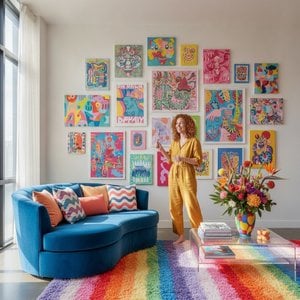
Elevate your home with trend-driven art. Discover how to use vibrant colors and playful textures—from Pop Art to Impressionism—to infuse joy into your space. Learn expert curation tips for creating a sophisticated, high-energy interior through bespoke fine art.


 미리보기
미리보기
 공유하기
공유하기 공유하기
공유하기
 상세 정보
상세 정보

 다운로드
다운로드
 유사 작품
유사 작품 X-레이
X-레이 슬라이드 쇼
 통계 정보
통계 정보


 더 보기
더 보기









 유리 옵션은 110cm 미만 크기에서만 선택 가능합니다.


