
원하는 크기와 액자로 주문 제작되는, 작가들이 직접 캔버스에 손으로 그린 유화 작품입니다. ( 프린트 판매로 전환 디지털 이미지로 전환)
작품의 원본 비율을 유지하는 미리 설정된 크기 중에서 선택하세요.

특정 프레임이나 공간에 맞도록 직접 크기를 입력할 수 있습니다. 선택하신 크기가 원본 이미지의 비율과 일치하지 않는 경우, 작품을 자르거나 추가적인 손으로 그린 요소를 사용하여 그림을 확장합니다. 제작 시작 전 승인을 위해 디지털 목업을 보내드립니다.
화면 미리 보기는 실제 자르기 또는 확장을 반영하지 않습니다. 최종 구성은 목업을 통해서만 정확하게 확인하실 수 있습니다.
맞춤 크기 제작도 가능하지만, 원본 비율을 유지하기 위해 사전 정의된 목록에서 크기를 선택하시는 것을 권장합니다.

Waiting to Go to War
복제본 크기

The artistic journey of Henrietta Snowden is one inextricably linked to the disciplined, observant, and often heavy atmosphere of military life. Serving as a Master Sergeant and Staff Artist at the Center for Military History, Snowden does not merely observe history from the periphery; she lives within its framework. Her creative vision is forged in the crucible of the United States Army, a position that allows her to approach her subjects with an unparalleled level of empathy and authenticity. Having been deployed to NATO headquarters in England, she has cultivated a unique perspective that bridges the gap between the technical documentation of military history and the raw, human emotion that defines the soldier's experience.
Snowden’s work is characterized by a profound ability to capture the "quiet" moments of conflict—the tension, the waiting, and the psychological weight of duty. Her mastery of watercolor and colored pencil allows her to utilize muted tones and realistic details to evoke a sense of palpable atmosphere. Whether she is depicting the vastness of a deployment or the intimate loneliness of a soldier far from home, her technique serves to strip away the glory of war, leaving behind instead a poignant study of human endurance and vulnerability.
The trajectory of Snowden’s career was irrevocably altered by the seismic events of September 11th, 2001. In the immediate aftermath of the attacks, she felt a profound urgency to document the emotional landscape of a nation in shock. This led to the creation of her seminal work, “September 11,” a stark watercolor that remains one of her most powerful achievements. Through a careful use of earthy palettes and deep shadows, the painting conveys the uncertainty and fear that gripped the American consciousness during those transformative days. It is not merely a depiction of an event, but a visual distillation of a collective trauma.
This talent for storytelling through art extends into her explorations of military tradition and the evolution of the soldier's identity. In her illustrated book, “Today’s Soldier,” Snowden demonstrates a scholarly depth, meticulously tracing the history of U.S. Army uniforms from 1775 to 2001. This project highlights her ability to blend technical proficiency with historical inquiry, treating military attire not just as equipment, but as a reflection of shifting societal values and technological progress throughout American history.
Perhaps the most enduring theme in Snowden’s oeuvre is the concept of "waiting"—a central, often grueling component of military existence. In her evocative piece “Waiting to Go to War,” she utilizes watercolor and colored pencil to depict the weary reality of soldiers preparing for deployment. The artwork captures the essence of the military cliché "hurry up and wait," focusing on the quiet dread and the heavy stillness that precedes action. This theme is further explored in her deeply moving portrait, “Waiting to Phone Home.” In this work, she captures a moment of profound isolation, portraying a soldier seated in an uncomfortable space, lost in the longing for loved ones left behind.
Through these works, Snowden achieves a significant historical and artistic contribution:
Ultimately, the work of Henrietta Snowden stands as a testament to the human spirit within the machinery of war. Her art does not seek to celebrate combat, but to honor the individuals who inhabit it, ensuring that their sacrifices, their fears, and their quiet moments of resilience are etched into the visual history of the nation.

United States of America

Discover the ethereal beauty of watercolor through an art-historical lens. Master the delicate balance of light, fluidity, and pigment to capture the luminous essence of nature, inspired by the legendary techniques of the Old Masters and Impressionist greats.

Explore the profound symbolism of military uniforms in art history. From Victorian portraits to realistic lithographs, discover how artists capture power, identity, and historical legacy through the intricate details of martial regalia and command.
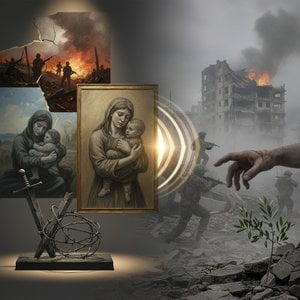
Explore a profound collection of historical war art. From visceral realism to poignant depictions of human resilience, discover museum-quality oil reproductions and expert insights for the discerning collector seeking to preserve history's most powerful echoes.

Discover the ethereal beauty of premium watercolor reproductions and bespoke commissions at WahooArt. From museum-quality landscapes to custom AI-enhanced portraits, our master artists deliver unparalleled craftsmanship and white-glove service for discerning collectors worldwide.


 미리보기
미리보기
 공유하기
공유하기 공유하기
공유하기
 상세 정보
상세 정보

 다운로드
다운로드
 유사 작품
유사 작품 X-레이
X-레이 슬라이드 쇼
 통계 정보
통계 정보


 더 보기
더 보기






































 유리 옵션은 110cm 미만 크기에서만 선택 가능합니다.


