

이 페이지에 표시된 작품은 저작권법의 보호를 받으며, 이에 따라 동일한 복제품을 제작하거나 판매하는 것은 법으로 금지되어 있습니다. 이러한 권리 보호는 다음과 같은 국제 협약에 따라 시행됩니다. 베른 협약 또한 다음에서 명시하는 법률을 포함한 국내법에 의해 보호됩니다. 미국 저작권법 제17조.
이 방식은 저작권 보호를 받는 예술 작품을 복제하거나 그대로 재현하는 것이 아니기에 저작권 규정을 완벽히 준수합니다. 대신, 이는 창의적인 재해석의 과정을 거칩니다. 즉, 원작에서 영감을 받되 원작과 동일하지 않은 새로운 회화 작품을 의미합니다.
빠른 제작과 다양한 마감 옵션을 선택할 수 있는 박물관 수준의 지클레이 및 캔버스 프린트. ( 수작업 채색 복제본 주문하기 디지털 이미지 판매 채널로 전환)





























작품의 원본 비율을 그대로 유지하는 프리셋 사이즈 중에서 선택해 보세요.

액자나 벽면 크기에 맞춰 필요한 가로와 세로 길이를 입력해 주세요. 프린트는 원본 이미지보다 크게 제작할 수 없으며 오직 자르는 것만 가능하므로, 비율이 다른 사이즈를 선택할 경우 이미지의 일부가 잘려 나갈 수 있습니다. 인쇄 작업에 들어가기 전, 최종 확인을 위해 디지털 목업을 보내드립니다. 이 페이지에 표시된 이미지는 실제 잘리는 영역을 나타내지 않으며, 오직 목업을 통해서만 정확한 확인이 가능합니다.
Para III
복제본 규격
In the pantheon of mid-century American abstraction, few works command the room with such visceral intensity as Morris Louis’s “Para III.” Created in 1959, this monumental canvas serves as a profound testament to the power of pure color to bypass the intellect and speak directly to the soul. As a cornerstone of the Washington Color School, Louis moved away from the frantic, gestural energy of his Abstract Expressionist contemporaries, opting instead for a meditative exploration of pigment and light. “Para III” does not merely present a scene; it presents an atmosphere, inviting the viewer into a realm where boundaries dissolve and color becomes the sole protagonist.
The painting is a breathtaking tapestry of crimson, scarlet, and magenta, hues that seem to bleed and pulse across the surface. These vibrant tones are not contained by rigid borders but instead flow in vertical bands, creating an illusion of liquid movement and light. To gaze upon this work is to witness a controlled chaos, where the eye is drawn into deep, saturated pools of pigment that suggest a state of perpetual flux. For the discerning collector or interior designer, such a piece offers more than mere decoration; it provides a focal point of immense energy, capable of transforming a space into an environment of profound contemplation and modern elegance.
The magic of “Para III” lies in its revolutionary technical execution. Louis was a pioneer in the use of Magna paint, a specialized acrylic-based medium that allowed him to achieve unprecedented levels of translucency and fluidity. Eschewing the traditional brush, Louis utilized a method of pouring thinned pigment directly onto unprimed, unstretched canvas. This technique allowed the paint to soak into the very fibers of the fabric, creating a "staining" effect where the color and the support become one inseparable entity.
This process resulted in a surface texture that possesses a unique, almost organic quality, reminiscent of solidified wax or delicate silk. The way the colors overlap and intermingle creates a sense of depth that is both ethereal and substantial. There are no hard edges here—only soft, bleeding transitions that mimic the natural movement of water or light through atmosphere. This meticulous yet spontaneous approach captures a rare moment in art history where the artist’s hand is invisible, leaving only the raw, unadulterated impact of the medium itself.
Beyond its technical brilliance, “Para III” carries a deep emotional resonance. Louis was heavily influenced by the tonalist landscapes of artists like Ralph Albert Blakelock, inheriting a fascination with how subtle gradations of color can evoke specific moods. In this work, the heavy saturation of reds evokes feelings ranging from passionate vitality to a somber, introspective warmth. The painting functions as a window into a non-representational world, stripped of recognizable objects so that the viewer may encounter their own emotional reflections.
For those seeking to incorporate high-quality reproductions of masterworks into their collections, “Para III” represents an ideal marriage of historical significance and aesthetic versatility. Its bold, abstract nature allows it to integrate seamlessly into contemporary, minimalist, or even classical interiors, providing a sophisticated layer of texture and color. It remains a timeless masterpiece that continues to challenge our perceptions of what paint can achieve, standing as a permanent monument to the transformative beauty of the Color Field movement.
"Para III"은(는) Accent 용도로 추천하며, Living Room 공간에 배치하기 좋습니다.
"Para III"의 작가인 모리스 루이스의 다른 이름으로는 모리스 루이스 번스타인 등이 있습니다.
Abstract Expressionism 사조 안에서, "Para III"은(는) Mysterious한 어조로 기록되어 있습니다.

1912 - 1962 , 미국

추상표현주의의 심장을 뛰게 한 10대 걸작을 만나보세요. 폴록, 로스코 등 거장의 작품 비하인드 스토리와 예술적 영감을 WahooArt에서! 지금 바로 미술품 컬렉션을 탐험하고, 당신의 공간에 특별한 예술적 감성을 더하세요. WahooArt.com

Journey through Wassily Kandinsky's 25 most iconic abstract paintings. Explore his revolutionary use of color, form & spiritual expressionism. Find museum-quality Kandinsky reproductions and elevate your home decor with WahooArt.com. Discover all masterpieces on WahooArt.com!

Explore the groundbreaking abstract expressionism of Morris Louis, a pioneer of Color Field painting. Discover his innovative techniques, influential series & lasting legacy in post-war American art. Learn more at WahooArt.

Explore the profound emotional depth of Color Field painting. Discover the history of mid-century abstraction, from Rothko to Newman, and learn how pure color transforms the viewer's experience through our expert art history guide.
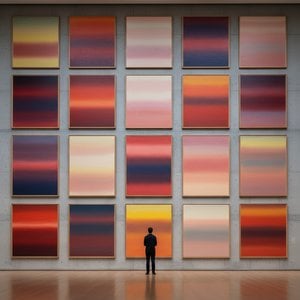
마크 로스코 최고작 25선을 만나보세요. 추상 표현주의 거장의 색채로 표현된 심오한 감정과 예술의 세계를 탐험하고, WahooArt에서 명화 복제본과 특별한 인테리어 아이디어를 찾아보세요. 지금 바로 컬렉션을 확인하세요!

 실제 크기로 보기
 보내기
보내기 공유하기
공유하기
 상세 보기
상세 보기 가이드 보기

 이미지 다운로드
 유사 작품 더 보기
 X-레이
X-레이 슬라이드 쇼 보기
 통계 정보
통계 정보


 상세 보기
상세 보기









 유리 옵션은 110cm 미만 크기에서만 선택 가능합니다.


