Acrylic On CanvasWallArtGerman Romanticism
 185919th Century
 36.0 x 24.0 cm
 Nationalgalerie
빠른 제작과 다양한 마감 옵션을 제공하는 박물관 품질의 지클레이 또는 캔버스 프린트. ( 손으로 그린 그림 구매 디지털 이미지로 전환)





























작품의 원본 비율을 유지하는 미리 설정된 크기 중에서 선택하세요.

특정 프레임이나 공간에 맞춰 직접 치수를 입력하실 수 있습니다. 선택하신 사이즈가 원본 이미지의 비율과 일치하지 않을 경우, 작품을 크롭(자르기)하거나 이미지를 대칭 또는 단색 채우기로 확장하여 제작합니다. 제작 시작 전, 최종 확인을 위해 디지털 목업이 전송됩니다.
화면상의 미리보기는 실제 크롭이나 확장 상태를 반영하지 않으므로, 최종 구도는 오직 목업을 통해서만 정확하게 확인하실 수 있습니다.
맞춤 사이즈 제작도 가능하지만, 원본 비율을 유지하기 위해서는 사전 정의된 목록에서 치수를 선택하시는 것을 권장합니다.

Farewell at Dawn
복제본 크기
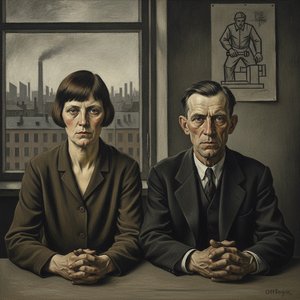
Moritz von Schwind’s “Farewell at Dawn,” painted in 1859, is more than a simple depiction of a woman contemplating a distant view; it’s a poignant distillation of Romantic ideals – a yearning for the unattainable, a reverence for nature's beauty, and an exploration of profound emotional states. Executed with meticulous detail and imbued with a palpable sense of atmosphere, this 36 x 24 cm artwork transports the viewer to a quiet street corner bathed in the ethereal light of dawn. The woman’s posture, turned away from us yet intensely focused on something beyond the frame, immediately establishes a feeling of wistful contemplation, inviting us to share her unspoken thoughts and emotions.
Schwind, often described as a “Poet of the Romantic Imagination,” was deeply influenced by Germanic folklore, medieval legends, and the burgeoning spirit of Romanticism. His work frequently sought to evoke powerful emotional responses in the viewer, employing dramatic landscapes, symbolic imagery, and carefully constructed compositions. "Farewell at Dawn" exemplifies this approach perfectly. The scene’s muted palette – dominated by soft blues, greys, and browns – contributes significantly to its melancholic mood, while the subtle play of light and shadow adds depth and complexity. The inclusion of the bird, a recurring motif in Schwind's work often symbolizing hope or transition, further elevates the painting's symbolic resonance.
Schwind’s mastery of technique is immediately apparent in the meticulous rendering of every detail within this piece. The brushwork is precise yet fluid, creating a remarkable sense of texture – from the worn surface of the benches to the delicate feathers of the bird. The artist's use of sfumato, a technique popularized by Leonardo da Vinci, softens edges and creates an atmospheric haze, enhancing the painting’s dreamlike quality. The careful positioning of the two chairs—one close to the woman, one further away—adds to the sense of depth and spatial awareness within the composition, guiding the viewer's eye towards the vanishing point and reinforcing the feeling of distance and longing.
"Farewell at Dawn" was created during a period of significant social and artistic change in Europe. The Romantic movement challenged the rationalism of the Enlightenment, emphasizing emotion, imagination, and individualism. Schwind’s work reflects this shift, exploring themes of loss, nostalgia, and the beauty of the natural world. The title itself – “Farewell at Dawn” – suggests a finality, a parting, perhaps a farewell to youth or innocence. The woman's back turned to the viewer can be interpreted as a representation of introspection, a moment of solitary reflection on life’s transient nature. This painting offers a window into the artistic sensibilities of 19th-century Germany and remains a testament to Schwind’s enduring legacy.


1804 - 1871 , 오스트리아

Explore the profound precision of German Renaissance art. From Albrecht Dürer’s intricate engravings to the soulful depth of Northern Renaissance portraiture, discover a masterclass in detail, humanism, and technical mastery for the true art enthusiast.

Explore the raw emotion of German Expressionism through a definitive guide to Ernst Ludwig Kirchner. Discover how his bold colors and distorted forms redefined modern art history, from Berlin street scenes to iconic masterpieces.

Delve into the visceral world of German Expressionism. Explore the history, key artists like Kirchner and Kandinsky, and the movement's profound emotional impact through an expert art-history lens. Discover how bold colors and distortion redefined modern aesthetics.


 미리보기
미리보기
 공유하기
공유하기 공유하기
공유하기
 상세 정보
상세 정보

 다운로드
다운로드
 유사 작품
유사 작품 X-레이
X-레이 슬라이드 쇼
 통계 정보
통계 정보 더 보기
더 보기









 유리 옵션은 110cm 미만 크기에서만 선택 가능합니다.