


x
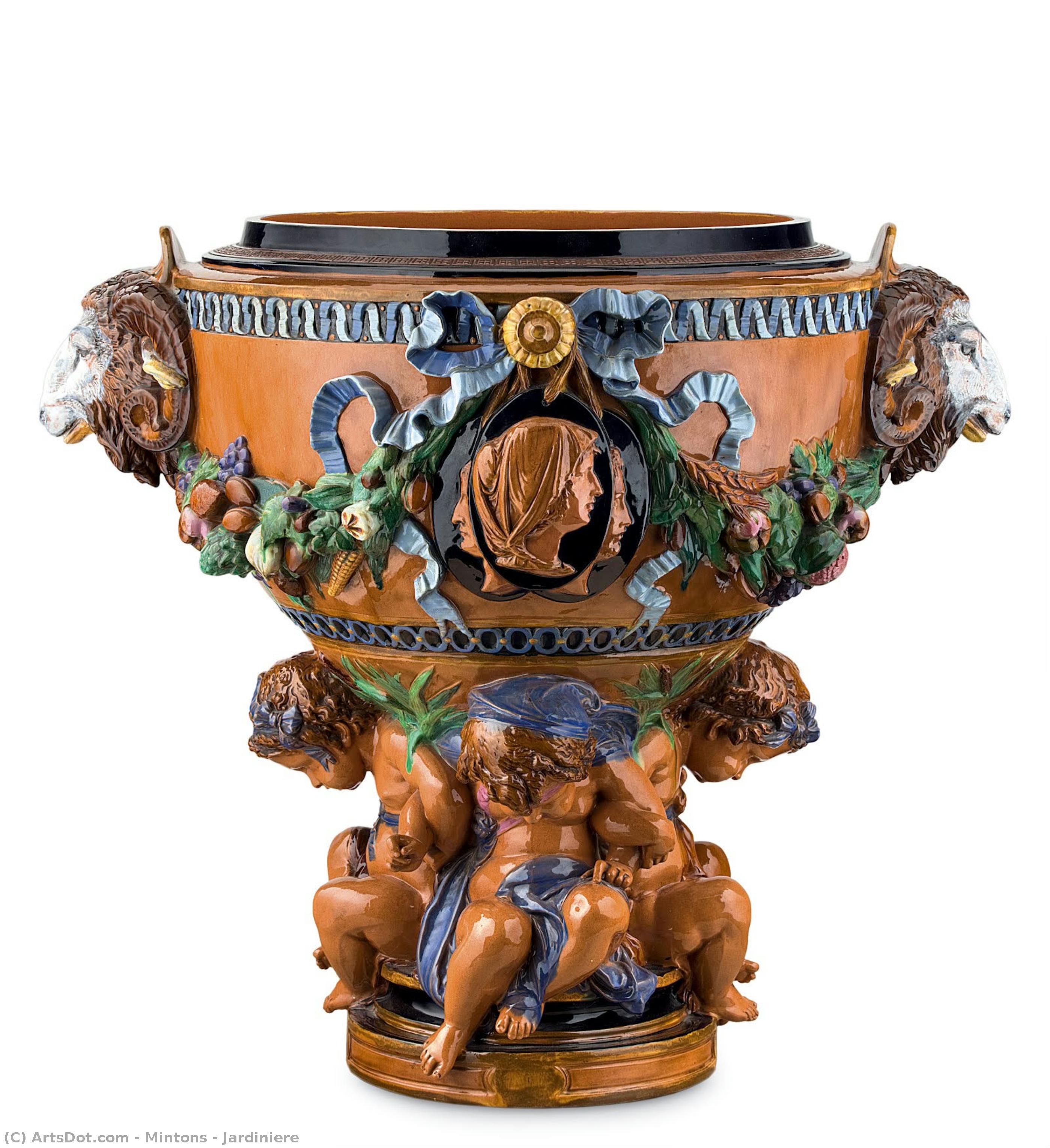
 1882
1882 88.0 x 77.0 cm
 사우스오스트레일리아 미술관
작품의 원본 비율을 유지하는 미리 설정된 크기 중에서 선택하세요.

특정 프레임이나 공간에 맞도록 직접 크기를 입력할 수 있습니다. 선택하신 크기가 원본 이미지의 비율과 일치하지 않는 경우, 작품을 자르거나 추가적인 손으로 그린 요소를 사용하여 그림을 확장합니다. 제작 시작 전 승인을 위해 디지털 목업을 보내드립니다.
화면 미리 보기는 실제 자르기 또는 확장을 반영하지 않습니다. 최종 구성은 목업을 통해서만 정확하게 확인하실 수 있습니다.
맞춤 크기 제작도 가능하지만, 원본 비율을 유지하기 위해 사전 정의된 목록에서 크기를 선택하시는 것을 권장합니다.

Jardiniere
복제본 크기


Minton, a name synonymous with exquisite porcelain and architectural grandeur, represents far more than just a pottery factory; it embodies the spirit of innovation, artistry, and industrial ambition that defined 19th-century Britain. Founded in 1793 by Thomas Minton, a skilled engraver and potter, the company’s trajectory from humble earthenware beginnings to becoming “Europe’s leading ceramic factory” is a remarkable tale of entrepreneurial vision and artistic evolution. Situated in Stoke-upon-Trent, the heart of England's pottery industry, Minton quickly established itself as a dominant force, shaping not only domestic tableware but also influencing architectural design and setting trends across Europe.
Thomas Minton’s initial foray into the ceramics market was marked by collaboration. Recognizing the burgeoning demand for fine porcelain – disrupted by trade wars with the East – he forged a partnership with Joseph Poulson in 1796. Poulson, a seasoned potter and engraver, brought invaluable expertise in bone china production, a technique then largely controlled by patents. This alliance proved pivotal; Minton’s existing skills complemented Poulson's, allowing them to rapidly establish a reputation for quality and innovation. The early years were characterized by the production of standard earthenware, utilizing Minton’s engraving prowess for transfer printing – a method that allowed intricate designs to be replicated across vast quantities of pottery. Crucially, this period saw the establishment of the Minton Archive, a remarkably comprehensive record of the company's early operations, offering invaluable insights into its formative years.
The mid-19th century witnessed a dramatic transformation under the leadership of Herbert Minton (1793–1858), Thomas’s son. Herbert, inheriting his father's business acumen and a keen eye for design, spearheaded a period of unprecedented expansion and diversification. He recognized that simply producing beautiful porcelain wasn’t enough; the company needed to offer a broader range of products and cater to evolving tastes. This led to the introduction of new ceramic bodies – including hard porcelain, Parian ware (a translucent white stoneware), majolica (a vibrant glazed earthenware), and Palissy ware (a textured earthenware decorated with burnished designs). Herbert’s commitment extended beyond mere production; he actively sought out talented artists and designers, fostering a creative environment that yielded some of Minton's most iconic pieces. Notably, he cultivated relationships with influential figures like Augustus Pugin, whose architectural designs frequently incorporated Minton tiles, establishing the company as a key supplier for grand public buildings.
Minton’s influence extended far beyond domestic tableware. The firm became renowned for its exquisite architectural ceramics, supplying decorative tiles and mosaics to prestigious projects both in Britain and abroad. A particularly significant commission was the decoration of the United States Capitol building in Washington D.C., where Minton's encaustic tiles – characterized by their rich colors and intricate patterns – adorned floors and walls, contributing significantly to the building’s opulent aesthetic. This international recognition solidified Minton’s position as a leading manufacturer of decorative ceramics on a global scale. The company’s ability to adapt its techniques and materials to meet diverse architectural needs demonstrated its technical prowess and artistic versatility.
Despite Herbert Minton's visionary leadership, the 20th century presented significant challenges for the company. Disruptions caused by two World Wars, coupled with a decline in entrepreneurial spirit among subsequent family members, led to a period of stagnation. In 1968, Minton was acquired by Royal Doulton, marking the end of an independent era. However, the legacy of Minton continues to resonate today. The company’s designs – from the iconic Willow pattern to its elaborate architectural ceramics – remain highly sought after by collectors and continue to inspire contemporary artists and designers. The Minton Archive remains a vital resource for researchers and enthusiasts, offering a fascinating glimpse into the history of British ceramics and the remarkable story of this enduring ceramic colossus.

United Kingdom


최신 미술 뉴스, 특별 혜택 및 인테리어 아이디어를 가장 먼저 만나보세요.
프로젝트에 대해 알려주시면 저희 미술 전문가들이 맞춤형 아트 제안 3가지를 전달해 드립니다.
당신만을 위한 맞춤형 옵션 3가지를 무료로 추천해 드립니다!

 프린트 구매하기
 공유하기
공유하기 공유하기
공유하기
 상세 정보
상세 정보

 다운로드
다운로드
 유사 작품
유사 작품 X-레이
X-레이 슬라이드 쇼
 더 보기
더 보기






































 유리 옵션은 110cm 미만 크기에서만 선택 가능합니다.


