실제 크기로 보기 AR로 미리보기 프린트 판매로 전환 디지털 이미지 판매 채널로 전환 보내기
상세 보기 가이드 보기 즐겨찾기에 추가 이미지 다운로드 유사 작품 더 보기 X-레이 슬라이드 쇼 보기 통계 정보

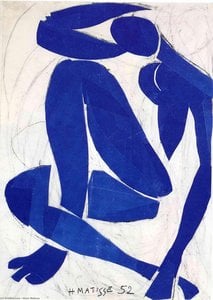
Untitled

Explore Ming Wang’s ‘Untitled’ (1969): A striking abstract work featuring a stylized telephone in bold lines & geometric shapes. Acrylic on canvas, reflecting abstract expressionism.

Explore the celestial art of Ming Wang (1921-2016), a Chinese-born American artist known for his unique blend of calligraphy, abstract expressionism & space-inspired themes. His work is featured in Smithsonian museums and beyond.

이 페이지에 표시된 작품은 저작권법의 보호를 받으며, 이에 따라 동일한 복제품을 제작하거나 판매하는 것은 법으로 금지되어 있습니다. 이러한 권리 보호는 다음과 같은 국제 협약에 따라 시행됩니다. 베른 협약 또한 다음에서 명시하는 법률을 포함한 국내법에 의해 보호됩니다. 미국 저작권법 제17조.

저희는 존중을 담은 합법적인 대안으로서, 원작에서 영감을 받은 맞춤형 수제 유화 작품을 제공합니다. 저희의 숙련된 전문 화가들은 원작의 스타일, 분위기, 예술적 정수를 면밀히 연구하여, 그 자체로 독창적인 창작물이면서도 원작과 동일한 감동을 불러일으키는 새로운 작품을 만들어냅니다.

이 방식은 저작권 보호를 받는 예술 작품을 복제하거나 그대로 재현하는 것이 아니기에 저작권 규정을 완벽히 준수합니다. 대신, 이는 창의적인 재해석의 과정을 거칩니다. 즉, 원작에서 영감을 받되 원작과 동일하지 않은 새로운 회화 작품을 의미합니다.

핸드메이드 유화 복제화

작가가 직접 캔버스에 손으로 그린 유화 작품으로, 원하는 크기와 액자로 맞춤 제작해 드립니다. ( 프린트 판매로 전환 디지털 이미지 판매 채널로 전환)

표준 규격
맞춤 제작
CM
INCH

작품의 원본 비율을 그대로 유지하는 프리셋 사이즈 중에서 선택해 보세요.

가로 너비
높이

액자나 벽면 크기에 맞춰 필요한 가로와 세로 길이를 입력해 주세요. 본 작품은 수작업으로 제작되므로, 요청하신 비율에 따라 작가가 그림의 가장자리를 조금 더 넓게 그리거나 일부를 조정하여 작업할 수 있습니다. 작업 시작 전, 최종 확인을 위해 디지털 목업 이미지를 보내드립니다. 이 페이지에 표시된 이미지는 실제 결과물과 다를 수 있으며, 오직 목업 이미지만이 정확한 결과물을 보여줍니다.

변경 가능한 예시: 얼굴을 고객님의 사진으로 교체, 반려동물 추가(예: 고양이를 강아지로 변경), 배경에 숨겨진 메시지 삽입, 배경 풍경 또는 요소 변경 등
주문 완료 후 WahooArt.com 팀에서 상세 안내를 위해 고객님께 이메일을 보내드리며, 미리보기 시안을 함께 제공해 드립니다.

전 세계 배송()은 표준 5주 대신 3~4주 내에 완료됩니다. (18 10월). 품질에는 어떠한 타협도 하지 않습니다.

전 세계 무료 특급 배송
고품질 린넨 캔버스
배송 전 과정 보험 적용
관세 환급 보장 서비스
원본 색상 일치 보장
제조 결함 발견 시 100일 이내 반품 가능
100% 환불 보장
다량 구매 할인 혜택

총 결제 금액

₩ 376791

Untitled

재현 매체

복제본 규격

-

총 결제 금액

₩ 376791


작가 소개

Ming Wang: Bridging Tradition and Cosmic Vision

Ming Wang (1921 – 2016), a Chinese-born American artist, stands as a testament to the enduring power of artistic synthesis—a masterful fusion of calligraphy, abstract expressionism, and an unwavering fascination with space exploration. Born in Tianjin, China, Wang emigrated to the United States in 1953, establishing himself in Washington D.C., where he continued to cultivate his distinctive artistic practice until his passing at the age of 95. His oeuvre transcends conventional categorization, presenting a singular perspective on artistic expression rooted in both Eastern and Western traditions.
  • Early Influences: Wang’s formative years were steeped in the rich cultural heritage of China. He honed his calligraphy skills under the tutelage of renowned masters, absorbing the principles of brushwork—precision, balance, and the deliberate conveyance of emotion—that would become central to his artistic vision.
  • Transition to Abstract Expressionism: Following his relocation to America, Wang embraced abstract expressionism as a vehicle for conveying profound ideas about humanity’s place in the universe. Influenced by artists like Jackson Pollock and Willem de Kooning, he experimented with spontaneous gestures and vibrant color palettes—techniques that mirrored the dynamism of celestial phenomena.

The Art of Stone Man: Stylized Representations of Humanity

Wang’s signature style—often referred to as “Stone Man”—is characterized by a striking juxtaposition of geometric forms and stylized depictions of human figures. These sculptures, crafted primarily from granite and basalt, embody a deliberate simplification of anatomical detail, prioritizing the conveyance of essence over literal representation. The resulting aesthetic is both monumental and contemplative, inviting viewers to contemplate themes of resilience, transformation, and the interconnectedness of existence.
  • Technique: Wang’s meticulous carving process involved painstaking removal of material—a labor-intensive undertaking that demanded unwavering focus and artistic sensitivity. He employed specialized tools—chisels, hammers, and grinders—to sculpt forms with remarkable accuracy and expressive power.
  • Symbolism: The “Stone Man” sculptures are imbued with symbolic significance—representing humanity’s enduring spirit amidst adversity. Their austere surfaces serve as canvases for subtle textural variations—hints of color and light that illuminate the underlying contours of the stone.

Notable Achievements & Recognition

Wang's artistic accomplishments garnered considerable acclaim both domestically and internationally. His sculptures were exhibited in prominent museums across North America, including the Smithsonian American Art Museum and Portland Art Museum, cementing his reputation as a visionary artist of distinction. Furthermore, his artwork has been featured prominently in publications documenting contemporary Asian American art—underscoring his contribution to shaping artistic discourse within the diaspora.
  • Smithsonian Exhibition: Wang’s sculptures were showcased during “Asian American Art,” a landmark exhibition celebrating the diverse artistic traditions of individuals hailing from Asia and its diaspora. The exhibition underscored Wang's role as an innovator—a pioneer in blending Eastern calligraphy with Western abstract expressionism.

Legacy & Historical Significance

Ming Wang’s artistic legacy extends beyond his individual creations—it resides in the enduring influence of his stylistic approach on subsequent generations of artists. His pioneering fusion of tradition and innovation serves as an inspiration for creatives seeking to explore uncharted territories of artistic expression—a reminder that profound beauty can emerge from unexpected convergences of cultural perspectives.
Ming Wang

Ming Wang

1921 - 2016

작가 정보 요약

  • Artistic Movement Or Style: Abstract Expressionism, Calligraphy Art
  • Artists Or Movements Influenced By This Artist: ['Calligraphy']
  • Artists Who Influenced This Artist: ['Wu Ching']
  • Date Of Birth: 1921
  • Date Of Death: 2016
  • Full Name: Ming Wang
  • Nationality: Chinese American
  • Notable Artworks:
    • Untitled
    • The Dignity of Brush Work I
  • Place Of Birth: China