Acrylic On PaperWallArtRenaissance
 1520
1520 26.0 x 19.0 cm
 대영박물관
대영박물관빠른 제작과 다양한 마감 옵션을 제공하는 박물관 품질의 지클레이 또는 캔버스 프린트. ( 손으로 그린 그림 구매 디지털 이미지로 전환)





























작품의 원본 비율을 유지하는 미리 설정된 크기 중에서 선택하세요.

특정 프레임이나 공간에 맞춰 직접 치수를 입력하실 수 있습니다. 선택하신 사이즈가 원본 이미지의 비율과 일치하지 않을 경우, 작품을 크롭(자르기)하거나 이미지를 대칭 또는 단색 채우기로 확장하여 제작합니다. 제작 시작 전, 최종 확인을 위해 디지털 목업이 전송됩니다.
화면상의 미리보기는 실제 크롭이나 확장 상태를 반영하지 않으므로, 최종 구도는 오직 목업을 통해서만 정확하게 확인하실 수 있습니다.
맞춤 사이즈 제작도 가능하지만, 원본 비율을 유지하기 위해서는 사전 정의된 목록에서 치수를 선택하시는 것을 권장합니다.

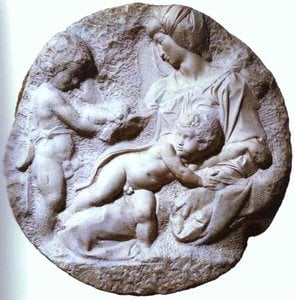
Studies for a double tomb wall
복제본 크기
Michelangelo Morlaiter’s “Studies for a Double Tomb Wall” (1520) isn't merely a preparatory sketch; it’s a profound window into the creative process of one of history’s most celebrated artists. This deceptively simple drawing, rendered in delicate pencil on paper, reveals the meticulous thought and architectural vision that underpinned Michelangelo’s monumental commissions for the Medici family. Far from being a preliminary draft, it stands as a testament to his mastery of disegno – the fundamental principles of Italian Renaissance art, emphasizing observation, proportion, and the illusion of depth.
The drawing depicts an elaborate architectural structure, heavily influenced by classical Roman forms yet imbued with a distinctly Florentine sensibility. Columns, pilasters, and decorative elements coalesce into a grand façade, hinting at the imposing tombs it was destined to grace. Notice how Morlaiter doesn’t shy away from depicting the process of design itself – numerous smaller sketches surround the central composition, illustrating alternative arrangements and refinements. These aren't discarded ideas; they represent an iterative exploration, showcasing Michelangelo’s willingness to experiment and refine his vision through a series of evolving studies.
What immediately captivates the viewer is Morlaiter’s masterful use of line. The drawing is dominated by precise, confident pencil strokes, varying in thickness to create a remarkable sense of volume and texture. Hatching – the technique of using closely spaced parallel lines to build up tone – is employed subtly yet effectively, suggesting shadows and highlighting architectural details. The composition itself is carefully balanced, utilizing a vertical format that draws the eye upwards towards the central structure. The overlapping lines and diminishing size of figures in the background create an illusion of depth, pulling the viewer into the world of the design.
This drawing is inextricably linked to the patronage of the Medici family, one of Florence's most powerful and influential dynasties. The commission for a double tomb wall was intended as a monumental tribute to Lorenzo de’Medici and his brother Giuliano, both prominent figures in Florentine politics. The architectural style reflects the prevailing trends of the High Renaissance – a revival of classical forms combined with innovative design elements. The inclusion of figures within the structure suggests a desire for both grandeur and narrative, potentially depicting scenes from their lives or allegorical representations of their virtues.
Furthermore, the drawing’s creation coincided with a period of intense artistic experimentation in Florence. Michelangelo Morlaiter was working alongside giants like Leonardo da Vinci and Raphael, absorbing their ideas and contributing to the vibrant intellectual atmosphere of the city. The tomb itself would have been a significant undertaking, showcasing the wealth and power of the Medici family while serving as a lasting monument to their legacy.
Despite its technical precision, “Studies for a Double Tomb Wall” possesses a profound emotional resonance. It speaks to the human desire for remembrance, the pursuit of beauty, and the enduring power of art to transcend time. The drawing’s quiet dignity and meticulous detail invite contemplation on themes of mortality, legacy, and the relationship between architecture and spirituality. Reproductions of this remarkable work offer an accessible way to experience the genius of Michelangelo Morlaiter and appreciate the intricate beauty of Renaissance design. They serve as a tangible connection to a bygone era, allowing us to glimpse into the creative mind of one of history’s greatest artists.


Discover the transcendent genius of Michelangelo. From the Sistine Chapel to iconic sculptures, explore a curated guide for elite collectors seeking museum-quality, hand-painted Renaissance reproductions and bespoke fine art commissions.


 미리보기
미리보기
 공유하기
공유하기 공유하기
공유하기
 상세 정보
상세 정보 가이드 보기

 다운로드
다운로드
 유사 작품
유사 작품 X-레이
X-레이 슬라이드 쇼
 통계 정보
통계 정보 더 보기
더 보기









 유리 옵션은 110cm 미만 크기에서만 선택 가능합니다.