DrawingWallArt
 1933
1933 38.0 x 29.0 cm
 보스니아 헤르체고비나 국립 미술관
원하는 크기와 액자로 주문 제작되는, 작가들이 직접 캔버스에 손으로 그린 유화 작품입니다. ( 프린트 판매로 전환 디지털 이미지로 전환)





























작품의 원본 비율을 유지하는 미리 설정된 크기 중에서 선택하세요.

특정 프레임이나 공간에 맞도록 직접 크기를 입력할 수 있습니다. 선택하신 크기가 원본 이미지의 비율과 일치하지 않는 경우, 작품을 자르거나 추가적인 손으로 그린 요소를 사용하여 그림을 확장합니다. 제작 시작 전 승인을 위해 디지털 목업을 보내드립니다.
화면 미리 보기는 실제 자르기 또는 확장을 반영하지 않습니다. 최종 구성은 목업을 통해서만 정확하게 확인하실 수 있습니다.
맞춤 크기 제작도 가능하지만, 원본 비율을 유지하기 위해 사전 정의된 목록에서 크기를 선택하시는 것을 권장합니다.

Siamese twins
복제본 크기
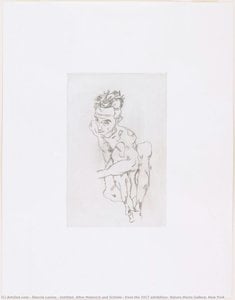
This evocative drawing, titled "Siamese twins," presents a compelling tableau of two figures standing together, their shared existence lending the scene an immediate air of profound connection. The composition centers on two men, depicted with the solemn dignity befitting monks, both clad in simple robes that speak to a life dedicated to contemplation. Their proximity suggests not merely physical closeness, but a deep, interwoven bond—a visual meditation on duality and unity. One figure bears a gentle beard, lending him an air of seasoned wisdom, while the other supports a cake upon his head, an unusual yet captivating detail that draws the eye and invites interpretation.
Executed in 1933 by Mica Todorović, this piece showcases a mastery of drawing that belies its subject matter's potential for melodrama. While the medium is suggested to be a drawing or painting, the execution carries the weight of classical draughtsmanship, echoing the Renaissance influences so central to Todorović’s own artistic journey through Italy. The artist employs subtle shading and careful delineation of form, giving the figures a tangible presence against what appears to be a muted background. Noticeable elements, such as the small bowl near the bottom left corner and the placement of the cakes—one held aloft, another resting nearby—are integrated into the narrative space, grounding the spiritual encounter in material reality.
The very title, "Siamese twins," immediately introduces themes of connection, separation, and shared fate. However, within the context of two robed monks, the symbolism deepens beyond mere physical resemblance. The cake itself—a symbol often associated with celebration or offering—becomes a focal point of mystery. Is it an offering? A burden? Or perhaps a representation of sweetness found even in lives bound together? Todorović invites us to contemplate the nature of interdependence; how does one soul reflect another, and where does the self begin and end when two lives are so inextricably linked?
Mica Todorović, a figure celebrated as a “first lady of Bosnian painting,” brings her unique cultural lens to this work. Her background, steeped in the academic rigor of Zagreb and enriched by Italian Renaissance study, results in art that feels both classically informed and deeply personal. Owning a reproduction of this piece allows one to bring home not just an image from 1933, but a fragment of Bosnian artistic history—a testament to enduring human connection rendered with sophisticated grace.


1900 - 1981 , 보스니아 헤르체고비나

Discover the sophisticated mastery of graphite drawing. Explore expert techniques for achieving profound depth, intricate texture, and hyper-realistic detail through the alchemy of carbon, curated for the discerning art enthusiast and professional collector.

Explore the profound artistry of graphite drawing. Discover professional techniques for mastering depth, texture, and detail through a lens of art history, from classical sketches to modern masterpieces. Elevate your understanding of the pencil medium with our expert guide.

Elevate your artistic practice with this expert guide to mastering the line. Discover advanced techniques in graphite, charcoal, and contour drawing designed for art students seeking technical precision and expressive depth in their fine art studies.


 미리보기
미리보기
 공유하기
공유하기 공유하기
공유하기
 상세 정보
상세 정보

 다운로드
다운로드
 유사 작품
유사 작품 X-레이
X-레이 슬라이드 쇼
 통계 정보
통계 정보 더 보기
더 보기









 유리 옵션은 110cm 미만 크기에서만 선택 가능합니다.