

이 페이지에 표시된 작품은 저작권법의 보호를 받으며, 이에 따라 동일한 복제품을 제작하거나 판매하는 것은 법으로 금지되어 있습니다. 이러한 권리 보호는 다음과 같은 국제 협약에 따라 시행됩니다. 베른 협약 또한 다음에서 명시하는 법률을 포함한 국내법에 의해 보호됩니다. 미국 저작권법 제17조.
저희는 존중을 담은 합법적인 대안으로서, 원작에서 영감을 받은 맞춤형 수제 유화 작품을 제공합니다. 저희의 숙련된 전문 화가들은 원작의 스타일, 분위기, 예술적 정수를 면밀히 연구하여, 그 자체로 독창적인 창작물이면서도 원작과 동일한 감동을 불러일으키는 새로운 작품을 만들어냅니다.
이 방식은 저작권 보호를 받는 예술 작품을 복제하거나 그대로 재현하는 것이 아니기에 저작권 규정을 완벽히 준수합니다. 대신, 이는 창의적인 재해석의 과정을 거칩니다. 즉, 원작에서 영감을 받되 원작과 동일하지 않은 새로운 회화 작품을 의미합니다.
작가가 직접 캔버스에 손으로 그린 유화 작품으로, 원하는 크기와 액자로 맞춤 제작해 드립니다. ( 프린트 판매로 전환 디지털 이미지 판매 채널로 전환)





























작품의 원본 비율을 그대로 유지하는 프리셋 사이즈 중에서 선택해 보세요.

특정 프레임이나 공간에 맞춰 원하는 크기를 직접 입력하실 수 있습니다. 선택하신 크기가 원본 이미지의 비율과 일치하지 않을 경우, 작품을 자르거나 추가적인 수작업 요소를 더해 그림을 확장하여 제작합니다. 제작 시작 전, 최종 확인을 위해 디지털 목업을 보내드립니다.
화면상의 미리 보기는 실제 크롭(자르기)이나 확장된 상태를 완벽히 반영하지 않을 수 있습니다. 최종 구도는 오직 목업을 통해서만 정확하게 확인하실 수 있습니다.
맞춤 크기 제작도 가능하지만, 원본의 비율을 그대로 유지하기 위해서는 미리 정의된 목록에서 크기를 선택하시는 것을 권장합니다.
Untitled
복제본 규격
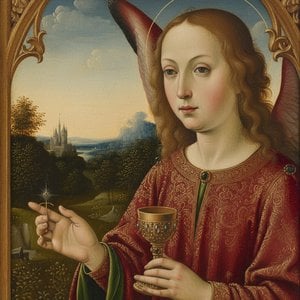
Hans Memling's “Untitled (D2X7SN),” painted around 1480, is not merely an image; it’s a quiet revelation. The work depicts Jesus Christ, rendered with the meticulous detail and serene grace that define his style, holding a luminous sphere in his hand. This isn’t a depiction of triumphant power or dramatic suffering, but one of contemplative stillness. The painting invites us into a moment of profound introspection, set against a backdrop of rolling hills, verdant trees, and a distant, castle-like structure – elements that ground the divine figure within a recognizable, earthly realm. The oil on wood panel technique lends itself beautifully to Memling’s style; the medium allows for layers of translucent glaze, creating a rich depth of color and texture that seems to emanate light from within.
To understand this painting is to understand Hans Memling himself. Born in Germany around 1430, he rose to prominence as one of the leading figures of the Early Netherlandish school. His journey began with an apprenticeship under Rogier van der Weyden in Brussels, a master renowned for his emotional intensity and refined realism. From Van der Weyden, Memling absorbed a dedication to precise detail and a nuanced understanding of human expression. However, Memling’s work distinguishes itself through its inherent tranquility and clarity. He settled in Bruges by 1465, becoming a respected citizen and prolific artist within the thriving artistic community of Flanders. Bruges at this time was a hub of commerce and culture, attracting patrons from across Europe – individuals who sought not only religious devotion but also sophisticated artistry in their commissions.
The central element demanding our attention is, undoubtedly, the sphere held by Christ. Its smooth, polished surface reflects light and draws the eye, yet its meaning remains tantalizingly ambiguous. Spheres, in Renaissance art, often symbolize the world, or *cosmos*, representing God’s creation and dominion over it. In this context, it could signify Christ's role as both creator and sustainer of all things. Alternatively, the sphere might represent divine wisdom or perfection – qualities embodied by Christ himself. The landscape behind him isn’t merely decorative; it reinforces this idea of a world held in balance, overseen by a benevolent power. The castle in the distance could symbolize the heavenly city, a destination for the faithful, or perhaps allude to earthly power structures existing under divine authority. Memling doesn't offer easy answers; he presents symbols that invite contemplation and personal interpretation.
Memling’s paintings possess an enduring quality – a sense of peace and spiritual resonance that transcends centuries. “Untitled (D2X7SN)” is no exception. It's a work that speaks to the human desire for connection with the divine, offering not grand pronouncements but quiet contemplation. The painting exemplifies Memling’s ability to blend meticulous realism with profound spirituality, creating an image that is both visually stunning and emotionally moving. Today, his works are treasured in museums worldwide, including the Memling Museum in Bruges – housed within the historic Sint Jans Hospital – a testament to his lasting influence on art history. Owning a reproduction of this piece isn’t simply acquiring a beautiful object; it's inviting a moment of serenity and spiritual reflection into your space.
한스멤링의 "Untitled"의 주요 색상은 Walnut (#814c2b)입니다.
한스멤링의 "Untitled"은(는) Balanced Soft의 채도로 기록되었습니다.
한스멤링의 "Untitled"은(는) Square 형식입니다. 이 형식은 작품 구성의 비율을 나타냅니다.
한스멤링의 "Untitled"의 주된 색조는 Golden Yellow Range입니다. 이 색조는 팔레트의 바탕이 되는 톤을 형성합니다.
한스멤링의 "Untitled"은(는) 여전히 저작권의 보호를 받고 있습니다 상태입니다. 이 상태에 따라 해당 작품 이미지의 복제 가능 여부가 결정됩니다.
한스멤링의 "Untitled"에 묘사된 주제: jesus christ, sphere, landscape, religious art, medieval, oil painting, flemish primitives, portrait.
한스멤링의 "Untitled"의 미리보기를 작품의 미리보기 페이지에서 확인하실 수 있습니다.
한스멤링은(는) "Untitled" 작품에 Oil On Panel 기법을 사용했습니다. 이 기법은 원작의 재료적 특성을 잘 보여줍니다.


독일

Explore the exquisite precision of Flemish painting. From Jan van Eyck to Robert Campin, discover the revolutionary oil techniques and rich symbolism that defined the Northern Renaissance and continue to inspire fine art collectors today.

Embark on a journey through the exquisite precision of Flemish Art. Discover the pioneering oil techniques, profound symbolism, and luminous realism that define the Northern Renaissance masters in this expert guide for art enthusiasts.

Delve into the luminous revolution of Early Netherlandish painting. Unveil how Jan van Eyck and Flemish masters pioneered oil techniques to achieve unparalleled depth, sacred symbolism, and breathtaking realism, forever shaping the legacy of Western art history.

Explore the dramatic brilliance of the Flemish Baroque movement. Discover how masters like Peter Paul Rubens utilized chiaroscuro and dynamic composition to redefine art history through light, shadow, and unparalleled emotion.
Embark on a journey through the luminous world of Early Netherlandish art. Discover the revolutionary oil techniques, microscopic realism, and sacred symbolism used by masters like Jan van Eyck to redefine Western art history in this expert-led guide.

 실제 크기로 보기
 보내기
보내기 공유하기
공유하기
 상세 보기
상세 보기 가이드 보기

 이미지 다운로드
 유사 작품 더 보기
 X-레이
X-레이 슬라이드 쇼 보기
 통계 정보
통계 정보


 상세 보기
상세 보기









 유리 옵션은 110cm 미만 크기에서만 선택 가능합니다.


