

이 페이지에 표시된 작품은 저작권법의 보호를 받으며, 이에 따라 동일한 복제품을 제작하거나 판매하는 것은 법으로 금지되어 있습니다. 이러한 권리 보호는 다음과 같은 국제 협약에 따라 시행됩니다. 베른 협약 또한 다음에서 명시하는 법률을 포함한 국내법에 의해 보호됩니다. 미국 저작권법 제17조.
저희는 존중을 담은 합법적인 대안으로서, 원작에서 영감을 받은 맞춤형 수제 유화 작품을 제공합니다. 저희의 숙련된 전문 화가들은 원작의 스타일, 분위기, 예술적 정수를 면밀히 연구하여, 그 자체로 독창적인 창작물이면서도 원작과 동일한 감동을 불러일으키는 새로운 작품을 만들어냅니다.
이 방식은 저작권 보호를 받는 예술 작품을 복제하거나 그대로 재현하는 것이 아니기에 저작권 규정을 완벽히 준수합니다. 대신, 이는 창의적인 재해석의 과정을 거칩니다. 즉, 원작에서 영감을 받되 원작과 동일하지 않은 새로운 회화 작품을 의미합니다.
작가가 직접 캔버스에 손으로 그린 유화 작품으로, 원하는 크기와 액자로 맞춤 제작해 드립니다. ( 프린트 판매로 전환 디지털 이미지 판매 채널로 전환)





























작품의 원본 비율을 그대로 유지하는 프리셋 사이즈 중에서 선택해 보세요.

액자나 벽면 크기에 맞춰 필요한 가로와 세로 길이를 입력해 주세요. 본 작품은 수작업으로 제작되므로, 요청하신 비율에 따라 작가가 그림의 가장자리를 조금 더 넓게 그리거나 일부를 조정하여 작업할 수 있습니다. 작업 시작 전, 최종 확인을 위해 디지털 목업 이미지를 보내드립니다. 이 페이지에 표시된 이미지는 실제 결과물과 다를 수 있으며, 오직 목업 이미지만이 정확한 결과물을 보여줍니다.
Two Panels from a Triptych
복제본 규격
Hans Memling's “Two Panels from a Triptych” is more than just a depiction of two men; it’s a carefully constructed tableau brimming with Northern Renaissance artistry, spiritual contemplation, and the quiet dignity of everyday life. Created around 1470 in Bruges, Belgium – a city then at the heart of European trade and artistic innovation – this oil-on-panel work offers a captivating glimpse into the world of a wealthy merchant’s devotional space. The panels, part of a larger triptych now sadly fragmented, invite us to ponder themes of faith, social status, and the enduring human desire for connection.
The immediate impact is one of serene formality. Two figures stand before a simple wall, their postures suggesting a moment of quiet reflection or perhaps even a brief exchange. The man in the crimson robe, holding a cat – an animal often associated with domesticity and good fortune – exudes a subtle authority, while his counterpart, clad in purple, appears more contemplative. Memling’s mastery lies not just in rendering realistic details—the texture of the fabrics, the sheen of the metal, the delicate folds of the drapery—but also in conveying an underlying sense of stillness and grace. The artist's meticulous attention to detail is a hallmark of Early Netherlandish painting, a style characterized by its hyperrealism and profound psychological depth.
Hans Memling (c. 1430 – August 11, 1494) stands as a pivotal figure in the Early Netherlandish painting movement, a period defined by its exquisite realism and profound spiritual introspection. Born in Seligenstadt, Germany, he initially trained under Rogier van der Weyden, absorbing the master’s techniques of oil paint application and sculptural modeling. However, Memling quickly established his own distinctive style, characterized by an unparalleled sensitivity to light, color, and texture. He wasn't merely a painter; he was a meticulous observer of human nature and a skilled craftsman who elevated everyday scenes into works of art.
Memling’s workshop in Bruges became a renowned center for artistic production, disseminating his distinctive style across Europe. His commissions frequently included elaborate altarpieces and devotional panels, often incorporating donor portraits—individuals who supported the church or religious institutions—into the composition. These portraits weren't simply likenesses; they were carefully staged representations of piety and social standing, reflecting the values of the era.
The inclusion of the cat is particularly intriguing. While seemingly a simple detail, it’s likely imbued with symbolic meaning within the context of 15th-century Bruges. Cats were associated with domesticity, fertility, and even protection against evil spirits – qualities highly valued in a prosperous merchant community. The birds, subtly integrated into the scene, might represent hope, divine grace, or simply the beauty of nature. The triptych itself was a common format for altarpieces, allowing for greater visual impact and facilitating transportability. It served as a focal point for religious devotion, inviting contemplation and fostering a connection between the earthly and the spiritual.
Memling’s work reflects the broader cultural landscape of his time – a period marked by burgeoning trade, increasing wealth, and a renewed interest in classical art and philosophy. His paintings offer a window into the lives and beliefs of a society grappling with questions of faith, morality, and the human condition. The careful balance between realism and symbolism, combined with Memling’s technical brilliance, ensures that “Two Panels from a Triptych” remains a captivating masterpiece for art lovers today.
WahooArt.com offers exquisite, hand-painted reproductions of Hans Memling's "Two Panels from a Triptych," meticulously crafted by our skilled artists using the same techniques and attention to detail as the original. Whether you’re seeking an authentic piece for your home or office, or a unique gift for an art enthusiast, our reproductions capture the essence of this iconic work while providing a stunning visual experience. Explore our collection today and bring the serenity and beauty of Memling's masterpiece into your world.
Early Netherlandish Painting 사조 내에서, "Two Panels from a Triptych"은(는) Iconic 정도의 인지도를 보유하고 있습니다.
한스멤링의 작품 세계에서 "Two Panels from a Triptych"은 rogier van der weyden’s realism, religious devotion, piety, symbolism, bruges civic patronage, wealth, workshop production, dissemination style라는 주제와 더불어 Early Netherlandish Painting 양식을 보여줍니다.
한스멤링의 "Two Panels from a Triptych"은(는) Portrait 형식입니다. 이 형식은 작품 구성의 비율을 나타냅니다.


독일

Delve into the luminous revolution of Early Netherlandish painting. Unveil how Jan van Eyck and Flemish masters pioneered oil techniques to achieve unparalleled depth, sacred symbolism, and breathtaking realism, forever shaping the legacy of Western art history.

Unveil the intricate mastery of Northern Renaissance Art. Explore the luminous oil techniques, hidden symbolism, and breathtaking realism of Flemish masters through an expert lens of art history and technical precision.
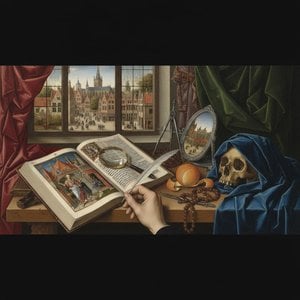
Discover the profound beauty of the Early Netherlandish Renaissance. Explore the revolutionary oil techniques, intricate symbolism, and masterful realism of Northern masters like Jan van Eyck in this expert-led guide for classical art enthusiasts.
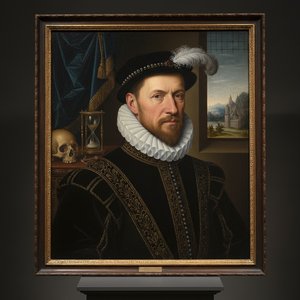
Explore the breathtaking precision of Hans Holbein the Younger. From Tudor royal portraits to intricate Northern Renaissance details, discover the mastery behind his legendary works and learn how to bring this historical grandeur into your collection with museum-quality reproductions.
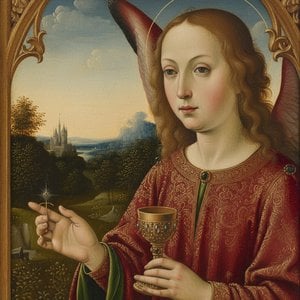
Embark on a journey through the luminous world of Early Netherlandish art. Discover the revolutionary oil techniques, microscopic realism, and sacred symbolism used by masters like Jan van Eyck to redefine Western art history in this expert-led guide.

 실제 크기로 보기
 보내기
보내기 공유하기
공유하기
 상세 보기
상세 보기 가이드 보기

 이미지 다운로드
 유사 작품 더 보기
 X-레이
X-레이 슬라이드 쇼 보기
 통계 정보
통계 정보

 상세 보기
상세 보기









 유리 옵션은 110cm 미만 크기에서만 선택 가능합니다.


