
원하는 크기와 액자로 주문 제작되는, 작가들이 직접 캔버스에 손으로 그린 유화 작품입니다. ( 프린트 판매로 전환 디지털 이미지로 전환)





























작품의 원본 비율을 유지하는 미리 설정된 크기 중에서 선택하세요.

특정 프레임이나 공간에 맞도록 직접 크기를 입력할 수 있습니다. 선택하신 크기가 원본 이미지의 비율과 일치하지 않는 경우, 작품을 자르거나 추가적인 손으로 그린 요소를 사용하여 그림을 확장합니다. 제작 시작 전 승인을 위해 디지털 목업을 보내드립니다.
화면 미리 보기는 실제 자르기 또는 확장을 반영하지 않습니다. 최종 구성은 목업을 통해서만 정확하게 확인하실 수 있습니다.
맞춤 크기 제작도 가능하지만, 원본 비율을 유지하기 위해 사전 정의된 목록에서 크기를 선택하시는 것을 권장합니다.

The Donne Triptych, center panel
복제본 크기
Hans Memling's center panel of The Donne Triptych is not merely a painting; it’s a meticulously crafted portal into the spiritual and social world of fifteenth-century Bruges. Completed around 1478, this exquisite work offers an intimate glimpse into the piety and aspirations of Sir John Donne, a courtier in the service of Edward IV of England, and his family. The scene unfolds with a quiet reverence, depicting Donne kneeling in humble adoration before the Virgin Mary and the Christ Child, accompanied by his wife Elizabeth Hastings and their daughter. The composition isn’t grand or theatrical; instead, it possesses an understated elegance that draws the viewer into a moment of deeply personal devotion.
Memling, having honed his skills under Rogier van der Weyden, masterfully blends realism with spiritual depth. The figures are rendered with astonishing detail – observe the delicate folds of their garments, the subtle blush on Lady Donne’s cheeks, and the individualized features that hint at personality. This meticulous attention to detail is characteristic of Early Netherlandish painting, a style renowned for its precise observation of the natural world and its symbolic language. Saints Catherine and Barbara flank the family, acting as intercessors and adding layers of meaning. Saint Catherine, with her wheel, represents intellectual pursuits and martyrdom, while Saint Barbara, often depicted with a tower, symbolizes protection and divine wisdom. The inclusion of these saints wasn’t arbitrary; they were likely chosen for their personal significance to Sir John Donne or his family.
Beyond its religious subject matter, The Donne Triptych also functions as a subtle display of status and allegiance. Both Sir John and Lady Donne wear the livery collars of Edward IV, adorned with suns and roses – emblems of the House of York. This detail isn’t simply decorative; it's a clear statement of their political loyalty during a period of intense conflict in England known as the Wars of the Roses. The painting, therefore, becomes a visual testament to their position within the royal court and their commitment to the reigning dynasty. The clock suspended above the scene is also noteworthy, perhaps symbolizing the passage of time and the importance of seizing every moment for spiritual contemplation. Even the book held by one of the figures hints at learning and intellectual pursuits.
What truly sets this work apart is its emotional resonance. Memling doesn’t overwhelm us with dramatic gestures or exaggerated expressions; instead, he conveys a sense of quiet contemplation and sincere faith. The gazes of the figures are directed towards the Virgin and Child, creating a palpable connection between the earthly realm and the divine. The soft lighting and harmonious color palette further enhance this atmosphere of serenity and reverence. For those seeking to bring a touch of timeless beauty and spiritual depth into their homes, a reproduction of The Donne Triptych offers more than just aesthetic appeal; it provides a window into a bygone era, inviting contemplation and inspiring a sense of peace.


독일
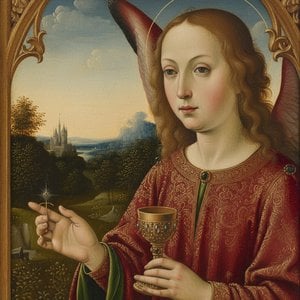
Embark on a journey through the luminous world of Early Netherlandish art. Discover the revolutionary oil techniques, microscopic realism, and sacred symbolism used by masters like Jan van Eyck to redefine Western art history in this expert-led guide.


 미리보기
미리보기
 공유하기
공유하기 공유하기
공유하기
 상세 정보
상세 정보

 다운로드
다운로드
 유사 작품
유사 작품 X-레이
X-레이 슬라이드 쇼
 통계 정보
통계 정보

 더 보기
더 보기









 유리 옵션은 110cm 미만 크기에서만 선택 가능합니다.


