
x































작품의 원본 비율을 유지하는 미리 설정된 크기 중에서 선택하세요.

특정 프레임이나 공간에 맞도록 직접 크기를 입력할 수 있습니다. 선택하신 크기가 원본 이미지의 비율과 일치하지 않는 경우, 작품을 자르거나 추가적인 손으로 그린 요소를 사용하여 그림을 확장합니다. 제작 시작 전 승인을 위해 디지털 목업을 보내드립니다.
화면 미리 보기는 실제 자르기 또는 확장을 반영하지 않습니다. 최종 구성은 목업을 통해서만 정확하게 확인하실 수 있습니다.
맞춤 크기 제작도 가능하지만, 원본 비율을 유지하기 위해 사전 정의된 목록에서 크기를 선택하시는 것을 권장합니다.

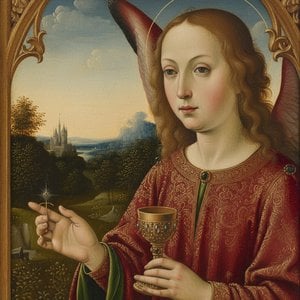
Last Judgment Triptych (detail) (22)
복제본 크기
In the quiet, hallowed halls of art history, few works command the soul with such profound intensity as Hans Memling’s Last Judgment Triptych. This monumental masterpiece, emerging from the golden age of Early Netherlandish painting around 1467, is far more than a mere religious icon; it is a breathtaking window into the medieval psyche, where the boundaries between the earthly and the divine dissolve. As one gazes upon this detail, the viewer is immediately swept into a cosmic drama of unparalleled scale. The composition vibrates with a palpable tension, capturing that singular, breathless moment when the scales of justice are poised, and the eternal fate of humanity hangs in the balance. It is a scene where light and shadow do not merely exist but perform a sacred dance, guiding the eye through a landscape of both terrifying torment and celestial serenity.
The artistry of Memling is defined by an almost supernatural precision, a hallmark of the Bruges masters that continues to captivate collectors and connoisseurs today. Utilizing the sophisticated medium of oil on panel, Memling achieved a luminous depth that seems to radiate from within the wood itself. Through the meticulous application of translucent glazes, he layered pigment to create textures so rich they invite the touch—the heavy, sculptural folds of liturgical drapery, the cold gleam of angelic armor, and the soft, ethereal glow surrounding the divine figures. This technique allows for a level of realism that transcends mere imitation; it imbues every element with a spiritual weight, making the swords held by archangels feel dangerously real and the scales of St. Michael appear heavy with the gravity of human sin.
To understand this triptych is to understand the vibrant pulse of Renaissance Bruges, a city where commerce and piety were inextricably linked. Commissioned during an era of burgeoning humanist thought, the work reflects the sophisticated patronage of figures like Johann IV Fugger and Angelo Tani. Memling masterfully bridges the gap between the rigid, symbolic traditions of the Middle Ages and the new, observational spirit of the Renaissance. While the subject matter is deeply rooted in the apocalyptic visions of the Book of Revelation, the execution is grounded in a profound respect for the natural world. Every detail—from the subtle nuances of light hitting a shield to the individualized expressions of the figures—serves to make the theological abstractness of the Last Judgment feel intimately personal and immediate.
Symbolism flows through the work like a silent prayer. The central axis, anchored by the figure of Christ, acts as the fulcrum of existence, while the surrounding angels serve as both guardians and executors of divine will. The presence of swords, shields, and scales provides a rhythmic visual language of protection and retribution. For the interior designer or art enthusiast, this piece offers a profound emotional resonance; it is a work that demands contemplation. Whether placed in a grand library or a quiet sanctuary, a high-quality reproduction of this detail brings with it an atmosphere of timelessness and intellectual depth. It is not merely a decoration, but an invitation to reflect on the enduring human struggle between our highest aspirations and our deepest vulnerabilities, rendered in a style that remains as breathtaking today as it was in the fifteenth century.


독일
Embark on a journey through the luminous world of Early Netherlandish art. Discover the revolutionary oil techniques, microscopic realism, and sacred symbolism used by masters like Jan van Eyck to redefine Western art history in this expert-led guide.

Delve into the luminous revolution of Early Netherlandish painting. Unveil how Jan van Eyck and Flemish masters pioneered oil techniques to achieve unparalleled depth, sacred symbolism, and breathtaking realism, forever shaping the legacy of Western art history.

Explore the profound artistry of The Last Supper through an art historian's lens. From Leonardo da Vinci’s genius to diverse Renaissance interpretations, discover the symbolism and technique behind history's most iconic sacred depictions.


최신 미술 뉴스, 특별 혜택 및 인테리어 아이디어를 가장 먼저 만나보세요.
프로젝트에 대해 알려주시면 저희 미술 전문가들이 맞춤형 아트 제안 3가지를 전달해 드립니다.
당신만을 위한 맞춤형 옵션 3가지를 무료로 추천해 드립니다!


 미리보기
미리보기
 프린트 구매
 공유하기
공유하기 공유하기
공유하기
 상세 정보
상세 정보

 다운로드
다운로드
 유사 작품
유사 작품 X-레이
X-레이 슬라이드 쇼


 더 보기
더 보기









 유리 옵션은 110cm 미만 크기에서만 선택 가능합니다.


