

빠른 제작과 다양한 마감 옵션을 선택할 수 있는 박물관 수준의 지클레이 및 캔버스 프린트. ( 수작업 채색 복제본 주문하기 디지털 이미지 판매 채널로 전환)





























작품의 원본 비율을 그대로 유지하는 프리셋 사이즈 중에서 선택해 보세요.

특정 프레임이나 공간에 맞춰 직접 치수를 입력하실 수 있습니다. 선택하신 사이즈가 원본 이미지의 비율과 일치하지 않을 경우, 작품을 크롭(자르기)하거나 이미지를 대칭 또는 단색 채우기로 확장하여 제작합니다. 제작 시작 전, 최종 확인을 위해 디지털 목업이 전송됩니다.
화면상의 미리보기는 실제 크롭이나 확장 상태를 반영하지 않으므로, 최종 구도는 오직 목업을 통해서만 정확하게 확인하실 수 있습니다.
맞춤 사이즈 제작도 가능하지만, 원본 비율을 유지하기 위해서는 사전 정의된 목록에서 치수를 선택하시는 것을 권장합니다.

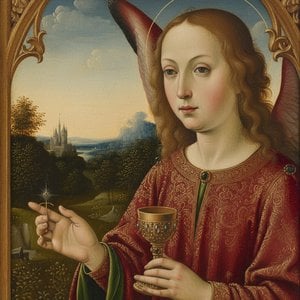
Last Judgment Triptych (detail) (18)
복제본 규격
Hans Memling's detail from the Last Judgment Triptych, completed between 1467 and 1471, offers a breathtaking glimpse into the complex spiritual world of the Late Middle Ages. More than just a depiction of theological doctrine, this fragment invites contemplation on mortality, faith, and the ultimate reckoning that awaits all humankind. Originally commissioned by Angelo Tani, an Italian merchant in Bruges, the triptych’s journey to its current home in Gdańsk is itself a testament to the turbulent currents of history, adding layers of intrigue to its already profound artistic merit.
Memling, having honed his skills under Rogier van der Weyden, embodies the hallmarks of Early Netherlandish painting. This detail exemplifies that mastery: an astonishing level of realism rendered with meticulous precision using oil paints – a relatively new medium at the time which allowed for unparalleled luminosity and subtle gradations of tone. Notice how each figure, whether angel or mortal, is imbued with individual character, their expressions conveying a spectrum of emotions from serene acceptance to abject terror. The inclusion of musical instruments—violins, guitars scattered throughout the scene—is particularly intriguing. These aren’t merely decorative elements; they symbolize earthly pleasures and artistic endeavors, subtly reminding us of the life left behind as souls face divine judgment. The artist's technique isn't simply about replicating reality but elevating it, imbuing every surface with a tactile quality that draws the viewer into the scene.
The Last Judgment is rich in symbolism rooted in biblical texts and medieval iconography. The central figure of Christ, seated in majesty, presides over the unfolding drama. Saint Michael, depicted with imposing authority, weighs souls on a grand scale, determining their eternal fate. To one side, the blessed ascend towards heavenly gates, while on the other, the damned plummet into the fiery abyss. This stark contrast isn’t merely illustrative; it's a powerful visual representation of the choices made in life and their consequences. The architectural elements—the castle-like structures and crystalline staircases—are not arbitrary but represent the earthly realm and the path to salvation respectively. Even the positioning of figures, their gestures, and clothing contribute to the overall narrative, creating a complex tapestry of meaning that rewards careful observation.
The story of this triptych is as captivating as the artwork itself. Captured at sea by a privateer shortly after its completion, it became embroiled in legal battles and political maneuvering before finally finding its way to Gdańsk, where it remains today. This tumultuous history underscores the enduring power of art to transcend time and circumstance. Memling’s Last Judgment isn't simply a painting; it is a cultural artifact that speaks to our shared human experience—our fears, hopes, and ultimate search for meaning in a world often shrouded in uncertainty. Owning a reproduction of this detail allows one to bring a piece of art history into the home, fostering contemplation and inspiring a deeper appreciation for the artistic achievements of the Renaissance.


독일
Embark on a journey through the luminous world of Early Netherlandish art. Discover the revolutionary oil techniques, microscopic realism, and sacred symbolism used by masters like Jan van Eyck to redefine Western art history in this expert-led guide.

Explore the dramatic brilliance of the Flemish Baroque movement. Discover how masters like Peter Paul Rubens utilized chiaroscuro and dynamic composition to redefine art history through light, shadow, and unparalleled emotion.

Explore the exquisite precision of Flemish painting. From Jan van Eyck to Robert Campin, discover the revolutionary oil techniques and rich symbolism that defined the Northern Renaissance and continue to inspire fine art collectors today.

Embark on a journey through the exquisite precision of Flemish Art. Discover the pioneering oil techniques, profound symbolism, and luminous realism that define the Northern Renaissance masters in this expert guide for art enthusiasts.

Delve into the luminous revolution of Early Netherlandish painting. Unveil how Jan van Eyck and Flemish masters pioneered oil techniques to achieve unparalleled depth, sacred symbolism, and breathtaking realism, forever shaping the legacy of Western art history.

 실제 크기로 보기
 보내기
보내기 공유하기
공유하기
 상세 보기
상세 보기 가이드 보기

 이미지 다운로드
 유사 작품 더 보기
 X-레이
X-레이 슬라이드 쇼 보기
 통계 정보
통계 정보


 상세 보기
상세 보기









 유리 옵션은 110cm 미만 크기에서만 선택 가능합니다.


