
원하는 크기와 액자로 주문 제작되는, 작가들이 직접 캔버스에 손으로 그린 유화 작품입니다. ( 프린트 판매로 전환 디지털 이미지로 전환)





























작품의 원본 비율을 유지하는 미리 설정된 크기 중에서 선택하세요.

특정 프레임이나 공간에 맞도록 직접 크기를 입력할 수 있습니다. 선택하신 크기가 원본 이미지의 비율과 일치하지 않는 경우, 작품을 자르거나 추가적인 손으로 그린 요소를 사용하여 그림을 확장합니다. 제작 시작 전 승인을 위해 디지털 목업을 보내드립니다.
화면 미리 보기는 실제 자르기 또는 확장을 반영하지 않습니다. 최종 구성은 목업을 통해서만 정확하게 확인하실 수 있습니다.
맞춤 크기 제작도 가능하지만, 원본 비율을 유지하기 위해 사전 정의된 목록에서 크기를 선택하시는 것을 권장합니다.

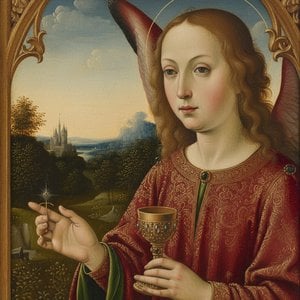
Last Judgment Triptych (detail) (15)
복제본 크기
The "Last Judgment Triptych" by Hans Memling, completed in 1467-71, stands as a monumental achievement of Early Netherlandish painting – a testament to the era’s profound spiritual concerns and unparalleled technical skill. This detailed depiction of the pivotal biblical event is more than just a religious scene; it's a meticulously crafted tableau that invites contemplation on mortality, judgment, and the promise of salvation. The triptych format itself, a common practice in medieval art, dramatically enhances the impact, allowing for a gradual unfolding of the narrative and intensifying the viewer’s engagement.
Painted during Memling's most prolific period in Bruges, a thriving center of artistic patronage and trade, the work reflects the city’s wealth and influence. Memling’s workshop was renowned for its precision and attention to detail, hallmarks that are immediately apparent in the remarkably lifelike figures depicted within. The use of oil paint, a relatively new medium at the time, allowed Memling to achieve an unprecedented level of realism – from the delicate folds of fabric to the subtle expressions on the faces of the mourners and damned.
The painting’s technical brilliance lies in Memling's masterful manipulation of oil paint. He employed a layering technique, known as glazing, building up translucent layers of color to create depth, luminosity, and an almost ethereal quality. The use of gold leaf – particularly prominent in the depiction of halos and architectural elements – further enhances this effect, imbuing the scene with a sense of divine splendor. The wood panel support, meticulously prepared and treated, provided the ideal surface for these delicate techniques. Note the careful attention to texture; the rough linen garments contrast beautifully with the smooth skin tones, adding to the overall realism.
The composition of the "Last Judgment" is laden with symbolic meaning. The central figure, believed to be Jesus Christ, dominates the scene, presiding over the judgment of humanity. Surrounding him are a multitude of souls – some ascending to heaven, others descending into hell – each representing a different fate. The inclusion of biblical figures like St. John the Baptist and Mary Magdalene underscores the narrative’s theological significance. The presence of individuals engaged in various activities—reading, praying, lamenting—reflects the diverse experiences of human life before divine judgment. The books held by some figures are likely symbolic representations of the Bible or other religious texts, emphasizing the importance of faith and scripture.
The triptych’s emotional impact is profound, evoking a sense of awe, fear, and ultimately, hope. Memling's ability to capture human emotion – grief, despair, reverence – elevates this work beyond a mere depiction of a biblical event; it becomes a deeply moving meditation on the human condition. Completed during a period of intense religious fervor in Europe, the "Last Judgment" reflects the widespread belief in the imminent return of Christ and the importance of preparing for final judgment. It’s a powerful reminder of our mortality and the eternal consequences of our actions.


독일

Explore the profound artistry of The Last Supper through an art historian's lens. From Leonardo da Vinci’s genius to diverse Renaissance interpretations, discover the symbolism and technique behind history's most iconic sacred depictions.

Delve into the luminous revolution of Early Netherlandish painting. Unveil how Jan van Eyck and Flemish masters pioneered oil techniques to achieve unparalleled depth, sacred symbolism, and breathtaking realism, forever shaping the legacy of Western art history.
Embark on a journey through the luminous world of Early Netherlandish art. Discover the revolutionary oil techniques, microscopic realism, and sacred symbolism used by masters like Jan van Eyck to redefine Western art history in this expert-led guide.


 미리보기
미리보기
 공유하기
공유하기 공유하기
공유하기
 상세 정보
상세 정보 Guide
Guide

 다운로드
다운로드
 유사 작품
유사 작품 X-레이
X-레이 슬라이드 쇼
 통계 정보
통계 정보


 더 보기
더 보기









 유리 옵션은 110cm 미만 크기에서만 선택 가능합니다.


