빠른 제작과 다양한 마감 옵션을 제공하는 박물관 품질의 지클레이 또는 캔버스 프린트. ( 손으로 그린 그림 구매 디지털 이미지로 전환)





























작품의 원본 비율을 유지하는 미리 설정된 크기 중에서 선택하세요.

특정 프레임이나 공간에 맞춰 직접 치수를 입력하실 수 있습니다. 선택하신 사이즈가 원본 이미지의 비율과 일치하지 않을 경우, 작품을 크롭(자르기)하거나 이미지를 대칭 또는 단색 채우기로 확장하여 제작합니다. 제작 시작 전, 최종 확인을 위해 디지털 목업이 전송됩니다.
화면상의 미리보기는 실제 크롭이나 확장 상태를 반영하지 않으므로, 최종 구도는 오직 목업을 통해서만 정확하게 확인하실 수 있습니다.
맞춤 사이즈 제작도 가능하지만, 원본 비율을 유지하기 위해서는 사전 정의된 목록에서 치수를 선택하시는 것을 권장합니다.

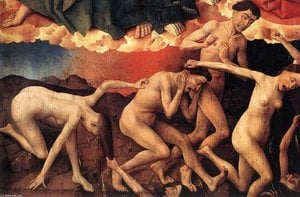
Last Judgment Triptych (detail) (12)
복제본 크기
To stand before Hans Memling’s depiction of the Last Judgment is not merely to observe paint on wood; it is to confront the monumental sweep of human destiny. This intricate triptych detail, dating from 1467, plunges the viewer into a moment suspended between earthly life and eternal reckoning. The scene is overwhelmingly dramatic, characterized by a palpable sense of divine power juxtaposed against the raw vulnerability of humanity. One feels the weight of history pressing down, as if the very air in the depicted space crackles with unspent judgment.
Hans Memling, the celebrated Bruges Master, was renowned for his exquisite attention to detail, a hallmark of Early Netherlandish painting. Here, that mastery is breathtakingly evident. Observe the figures: they are rendered with an almost startling realism, whether they are depicted in repose, suggesting death's gentle claim, or caught in postures of desperate appeal. The artist does not shy away from the physicality of the human form, treating even the deceased with a profound dignity. This meticulous observation, combined with his sophisticated handling of oil paint, allows light to play across every fold of drapery and every anguished expression, giving the scene an unsettling yet beautiful verisimilitude.
The composition itself is a rich tapestry woven from profound Christian symbolism. The backdrop, often suggested by flames or intense light sources, speaks to the purifying fire of divine judgment. Scattered across this dramatic stage are figures representing all stations of life—the saved, the damned, and those caught in transition. Each naked body, each gesture, carries narrative weight. It invites deep contemplation on morality, salvation, and the ephemeral nature of our own existence. The tension between the chaos suggested by some bodies and the structured grandeur of the divine presence creates a powerful visual dialectic that has captivated viewers for centuries.
For the contemporary collector or designer seeking art with soul, this piece offers more than mere decoration; it offers meditation. Reproducing such an iconic work allows one to bring a focal point of profound spiritual contemplation into a modern space. The drama inherent in Memling’s technique—the interplay between deep shadow and brilliant highlight—provides unparalleled depth for any interior setting. It is art that demands slow viewing, encouraging the viewer to pause, reflect, and engage with its timeless themes of consequence and grace.


독일
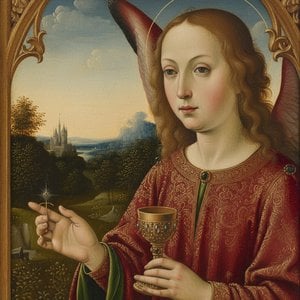
Embark on a journey through the luminous world of Early Netherlandish art. Discover the revolutionary oil techniques, microscopic realism, and sacred symbolism used by masters like Jan van Eyck to redefine Western art history in this expert-led guide.

Delve into the luminous revolution of Early Netherlandish painting. Unveil how Jan van Eyck and Flemish masters pioneered oil techniques to achieve unparalleled depth, sacred symbolism, and breathtaking realism, forever shaping the legacy of Western art history.
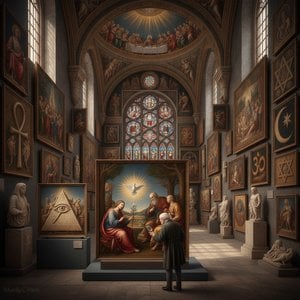
Explore the profound power of religious symbolism in art history. From Renaissance masterpieces to sacred iconography, uncover the hidden meanings behind divine details in a deep dive into classical art excellence.

Explore the profound artistry of The Last Supper through an art historian's lens. From Leonardo da Vinci’s genius to diverse Renaissance interpretations, discover the symbolism and technique behind history's most iconic sacred depictions.


 미리보기
미리보기
 공유하기
공유하기 공유하기
공유하기
 상세 정보
상세 정보

 다운로드
다운로드
 유사 작품
유사 작품 X-레이
X-레이 슬라이드 쇼
 통계 정보
통계 정보


 더 보기
더 보기









 유리 옵션은 110cm 미만 크기에서만 선택 가능합니다.


![Scrovegni - Last Judgment (detail) [04] — 조토 디 본도네, Proto-renaissance](/media/artworks/images-thumb/2c/cc/2cccbf5d66de604df5c3cc5658637344.jpg)