빠른 제작과 다양한 마감 옵션을 제공하는 박물관 품질의 지클레이 또는 캔버스 프린트. ( 손으로 그린 그림 구매 Switch to Digital Image)





























작품의 원본 비율을 유지하는 미리 설정된 크기 중에서 선택하세요.

특정 프레임이나 공간에 맞춰 직접 치수를 입력하실 수 있습니다. 선택하신 사이즈가 원본 이미지의 비율과 일치하지 않을 경우, 작품을 크롭(자르기)하거나 이미지를 대칭 또는 단색 채우기로 확장하여 제작합니다. 제작 시작 전, 최종 확인을 위해 디지털 목업이 전송됩니다.
화면상의 미리보기는 실제 크롭이나 확장 상태를 반영하지 않으므로, 최종 구도는 오직 목업을 통해서만 정확하게 확인하실 수 있습니다.
맞춤 사이즈 제작도 가능하지만, 원본 비율을 유지하기 위해서는 사전 정의된 목록에서 치수를 선택하시는 것을 권장합니다.

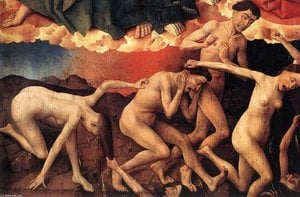
Last Judgment Triptych (detail) (10)
복제본 크기
To stand before a depiction of the Last Judgment is to confront the sublime terror and ultimate hope inherent in the human condition. This detail, drawn from Hans Memling’s monumental triptych, does not merely illustrate a biblical event; it captures a moment suspended between earthly life and eternal reckoning. The scene explodes with dramatic energy, a swirling vortex of humanity—some bathed in divine light, others consumed by shadow—all gathered before the ultimate tribunal. One can almost feel the palpable tension radiating from the painted surface, the weight of every soul’s fate hanging in the air.
Hans Memling, the celebrated Bruges Master, was renowned for his exquisite realism and meticulous attention to detail, qualities that shine through even in this chaotic grandeur. Observe the figures: they are not mere mannequins; each possesses a distinct gesture, an individualized expression etched onto their faces. The artist has achieved a remarkable feat of emotional portraiture, capturing everything from ecstatic awe to abject terror. Whether depicting angels engaged in celestial battle or souls struggling against unseen forces, Memling’s brushwork imbues the scene with profound psychological depth. His technique allows the viewer to lose themselves within the narrative drama, drawn into the very heart of the spiritual conflict.
The symbolism woven throughout this work is rich and deeply rooted in late medieval Christian thought. The composition itself—the dramatic rock formation serving as a backdrop—grounds the heavenly spectacle in a tangible, almost geological reality. Here, every naked form carries symbolic weight: they represent humanity stripped bare before God’s judgment. The contrast between light and shadow, between order and chaos, speaks to the core theological questions of salvation and damnation that preoccupied the era. For the modern collector or decorator, this piece offers a powerful focal point, an object that demands contemplation and elevates any space it graces with intellectual gravity.
While originating in 1467, the emotional impact of Memling’s vision remains startlingly immediate. Reproducing such a masterpiece allows one to bring the profound narrative power of the Early Netherlandish Renaissance into contemporary living spaces. Imagine this dramatic energy tempered by the rich, detailed quality of a high-quality reproduction—it serves not just as decoration, but as a meditation piece. It speaks to permanence, to consequence, and ultimately, to the enduring human search for meaning.


독일

당신의 예술적 영감을 전 세계로 확장하세요. WahooArt는 재고 부담 없는 프리미엄 지클리(Giclée) 프린트 솔루션을 통해 인플루언서와 작가들에게 글로벌 비즈니스 기회를 제공합니다. 박물관급 품질의 파인 아트 프린팅과 투명한 물류 시스템으로 당신의 작품을 시대를 초월한 예술적 유산으로 완성해 드립니다.

Master the nuances of Giclée printing with our expert guide. Discover how pigment-based inks and museum-grade substrates create fade-resistant, high-fidelity art reproductions designed for discerning collectors seeking unparalleled quality and longevity.

Discover museum-quality Giclée paper prints at WahooArt. Elevate your space with archival, pigment-based reproductions of the world's greatest masterpieces. Affordable, elegant, and designed for lasting beauty. Start curating your timeless art legacy today.

 미리보기
미리보기
 공유하기
공유하기 공유하기
공유하기
 상세 정보
상세 정보

 다운로드
다운로드
 유사 작품
유사 작품 X-레이
X-레이 슬라이드 쇼
 Stats
Stats


 더 보기
더 보기









 유리 옵션은 110cm 미만 크기에서만 선택 가능합니다.