

 Oil On CanvasWallArtCrucifixion
 Renaissance
 56.0 x 63.0 cm
 미술관
미술관빠른 제작과 다양한 마감 옵션을 선택할 수 있는 박물관 수준의 지클레이 및 캔버스 프린트. ( 수작업 채색 복제본 주문하기 디지털 이미지 판매 채널로 전환)





























작품의 원본 비율을 그대로 유지하는 프리셋 사이즈 중에서 선택해 보세요.

특정 프레임이나 공간에 맞춰 직접 치수를 입력하실 수 있습니다. 선택하신 사이즈가 원본 이미지의 비율과 일치하지 않을 경우, 작품을 크롭(자르기)하거나 이미지를 대칭 또는 단색 채우기로 확장하여 제작합니다. 제작 시작 전, 최종 확인을 위해 디지털 목업이 전송됩니다.
화면상의 미리보기는 실제 크롭이나 확장 상태를 반영하지 않으므로, 최종 구도는 오직 목업을 통해서만 정확하게 확인하실 수 있습니다.
맞춤 사이즈 제작도 가능하지만, 원본 비율을 유지하기 위해서는 사전 정의된 목록에서 치수를 선택하시는 것을 권장합니다.

Crucifixion (detail)
복제본 규격
Hans Memling's Crucifixion (detail) is not merely a fragment of a larger composition; it is a window into the devotional heart of the Early Netherlandish Renaissance. Measuring 56 x 63 cm, this exquisite panel encapsulates a profound moment in Christian narrative—the sacrifice of Christ—with a quiet intensity that draws the viewer into contemplation. The scene unfolds with a remarkable blend of realism and spiritual depth, characteristics that define Memling’s distinctive style and secured his place as one of Bruges' most celebrated artists.
Within this detail, we are presented with the immediate aftermath of the crucifixion. The central figure of Christ, though bearing the marks of suffering, exudes a serene dignity. Surrounding him is a bustling tableau of onlookers – soldiers carrying out their duty with stoic detachment, mourners consumed by grief, and figures already preparing for the solemn task of taking down his body. This activity isn’t chaotic; rather, it's meticulously rendered against the backdrop of a detailed medieval cityscape, grounding the sacred event in a recognizable world. The city itself is not merely scenery but an active participant in the narrative, suggesting the communal impact and universal significance of Christ’s sacrifice. Memling masterfully employs geometric forms—the squares and rectangles of buildings, the circular shapes within architectural details—to create a sense of order amidst the emotional weight of the scene. This deliberate composition guides the eye, ensuring that every element contributes to the overall narrative power.
Memling’s technical prowess is immediately apparent in the luminous quality of this detail. Executed in oil on wood panel—the favored medium of the period—he demonstrates a remarkable mastery of layering glazes to achieve subtle modeling and rich, nuanced color. The precision of his line work is breathtaking, particularly evident in the intricate details of the architecture and the delicate folds of drapery. This isn’t simply about accurate representation; it's about imbuing every surface with texture and life. The muted palette—dominated by browns, reds, and blues—contributes to a somber yet dignified atmosphere, encouraging introspection and reverence. Dramatic lighting, casting strong shadows that emphasize form, further heightens the emotional intensity of the scene. This careful manipulation of light and shadow isn’t accidental; it's a deliberate technique used to draw attention to key figures and symbolic elements.
Hans Memling (c. 1430-1494) arrived in Bruges after honing his skills under Rogier van der Weyden in Brussels, a formative experience that profoundly influenced his artistic development. While indebted to Van der Weyden’s emotional realism, Memling developed a style uniquely his own—characterized by a quieter, more contemplative approach. He flourished in the vibrant commercial and cultural center of 15th-century Bruges, receiving commissions from wealthy patrons – clergy, aristocrats, and merchants – who valued his refined technique and spiritual sensitivity. This *Crucifixion (detail)* reflects that patronage; it’s a work created for discerning eyes, intended to inspire devotion and contemplation. Today, Memling's works continue to resonate with collectors and art enthusiasts alike, offering a glimpse into the artistic and spiritual sensibilities of a pivotal moment in European history. A reproduction of this detail would serve as a powerful focal point in any collection, bringing the beauty and profound message of Memling’s artistry into homes and offices.


독일
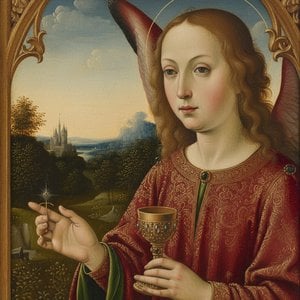
Embark on a journey through the luminous world of Early Netherlandish art. Discover the revolutionary oil techniques, microscopic realism, and sacred symbolism used by masters like Jan van Eyck to redefine Western art history in this expert-led guide.

Delve into the luminous revolution of Early Netherlandish painting. Unveil how Jan van Eyck and Flemish masters pioneered oil techniques to achieve unparalleled depth, sacred symbolism, and breathtaking realism, forever shaping the legacy of Western art history.

 실제 크기로 보기
 보내기
보내기 공유하기
공유하기
 상세 보기
상세 보기 가이드 보기

 이미지 다운로드
 유사 작품 더 보기
 X-레이
X-레이 슬라이드 쇼 보기
 통계 정보
통계 정보 상세 보기
상세 보기









 유리 옵션은 110cm 미만 크기에서만 선택 가능합니다.


