

 Oil On PanelWallArtEarly Netherlandish Painting
 1485Renaissance
 191.0 x 84.0 cm
 Staatsgalerie Stuttgart
이 페이지에 표시된 작품은 저작권법의 보호를 받으며, 이에 따라 동일한 복제품을 제작하거나 판매하는 것은 법으로 금지되어 있습니다. 이러한 권리 보호는 다음과 같은 국제 협약에 따라 시행됩니다. 베른 협약 또한 다음에서 명시하는 법률을 포함한 국내법에 의해 보호됩니다. 미국 저작권법 제17조.
저희는 존중을 담은 합법적인 대안으로서, 원작에서 영감을 받은 맞춤형 수제 유화 작품을 제공합니다. 저희의 숙련된 전문 화가들은 원작의 스타일, 분위기, 예술적 정수를 면밀히 연구하여, 그 자체로 독창적인 창작물이면서도 원작과 동일한 감동을 불러일으키는 새로운 작품을 만들어냅니다.
이 방식은 저작권 보호를 받는 예술 작품을 복제하거나 그대로 재현하는 것이 아니기에 저작권 규정을 완벽히 준수합니다. 대신, 이는 창의적인 재해석의 과정을 거칩니다. 즉, 원작에서 영감을 받되 원작과 동일하지 않은 새로운 회화 작품을 의미합니다.
작가가 직접 캔버스에 손으로 그린 유화 작품으로, 원하는 크기와 액자로 맞춤 제작해 드립니다. ( 프린트 판매로 전환 디지털 이미지 판매 채널로 전환)





























작품의 원본 비율을 그대로 유지하는 프리셋 사이즈 중에서 선택해 보세요.

액자나 벽면 크기에 맞춰 필요한 가로와 세로 길이를 입력해 주세요. 본 작품은 수작업으로 제작되므로, 요청하신 비율에 따라 작가가 그림의 가장자리를 조금 더 넓게 그리거나 일부를 조정하여 작업할 수 있습니다. 작업 시작 전, 최종 확인을 위해 디지털 목업 이미지를 보내드립니다. 이 페이지에 표시된 이미지는 실제 결과물과 다를 수 있으며, 오직 목업 이미지만이 정확한 결과물을 보여줍니다.
Bathsheba
복제본 규격
In the quiet, amber-hued corridors of the Northern Renaissance, few works capture the delicate intersection of human vulnerability and divine grace as poignantly as Hans Memling’s Bathsheba. Painted around 1485 in the flourishing artistic hub of Bruges, this masterpiece transcends a mere biblical illustration to become a profound psychological study. As we gaze upon the scene, we are not merely spectators to a historical narrative; we are invited into a private, sacred sanctuary. The painting depicts Bathsheba, the wife of King David, in a moment of quiet transition within a luxurious bedchamber. There is an unmistakable sense of stillness, a breath held in anticipation, as she kneels before her husband, accepting a robe from a faithful maidservant. It is a tableau that speaks to the very essence of the human condition—the tension between our earthly desires and our spiritual aspirations.
The brilliance of Memling’s technique lies in his ability to marry the meticulous realism of the Early Netherlandish tradition with an almost ethereal luminosity. Utilizing the oil-on-panel method perfected by masters like Jan van Eyck, Memling achieves a textural depth that feels tactile to the modern eye. One can almost sense the weight of the heavy drapery, the coolness of the skin, and the soft, diffused light filtering through the chamber. His use of chiaroscuro—the masterful interplay between shadow and illumination—does more than create three-dimensional form; it directs the viewer's emotional journey, pulling our focus toward the tender interaction between the figures while casting the periphery in a mysterious, contemplative gloom.
Every element within this composition serves as a silent messenger, contributing to a complex tapestry of meaning. The bedchamber itself is far from a neutral setting; it represents a realm of domestic tranquility and marital harmony, acting as a deliberate, peaceful counterpoint to the moral turmoil found in the biblical account of David’s transgression. The maidservant, poised with grace, serves as a symbol of purity and humble service, her presence anchoring the scene in a sense of ritualistic care. Even the seemingly mundane objects—the delicate vase, the carefully placed bowls, and the sturdy chair in the background—contribute to an atmosphere of settled, bourgeois stability that was characteristic of the Burgundian Netherlands.
For the discerning collector or interior designer, this artwork offers much more than visual beauty; it provides a focal point of profound intellectual and emotional resonance. A high-quality reproduction of Bathsheba brings with it an aura of historical prestige and a sense of quiet sophistication. Whether placed in a sunlit study to inspire deep reflection or within a grand living space to anchor a room with classical elegance, the painting’s soft palette and intricate details command attention without overwhelming the environment. It is a piece that invites the eye to linger, rewarding the viewer with new discoveries of light and shadow upon every encounter, making it an enduring investment for those who value art that speaks to both the eyes and the soul.
"Bathsheba"의 명암 대비는 Statement로 기록되었습니다. 대비는 밝은 부분과 어두운 부분의 차이가 얼마나 강한지를 나타냅니다.
네, 해당 작품은 작가의 본국에 보관되어 있습니다.. 한스멤링의 출생국은 독일이며, "Bathsheba"의 원작을 소장하고 있는 미술관은 독일에 있습니다.
한스멤링의 "Bathsheba"은(는) Tall 구도로 이루어져 있습니다. 프린트 크기를 결정하시기 전에 비율을 확인해 보시는 것이 좋습니다.


독일

Embark on a journey through the exquisite precision of Flemish Art. Discover the pioneering oil techniques, profound symbolism, and luminous realism that define the Northern Renaissance masters in this expert guide for art enthusiasts.

Explore the dramatic brilliance of the Flemish Baroque movement. Discover how masters like Peter Paul Rubens utilized chiaroscuro and dynamic composition to redefine art history through light, shadow, and unparalleled emotion.
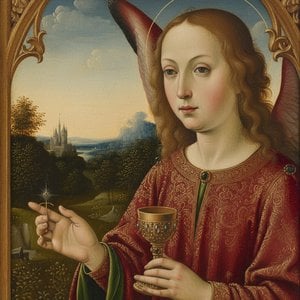
Embark on a journey through the luminous world of Early Netherlandish art. Discover the revolutionary oil techniques, microscopic realism, and sacred symbolism used by masters like Jan van Eyck to redefine Western art history in this expert-led guide.

Explore the exquisite precision of Flemish painting. From Jan van Eyck to Robert Campin, discover the revolutionary oil techniques and rich symbolism that defined the Northern Renaissance and continue to inspire fine art collectors today.

Delve into the luminous revolution of Early Netherlandish painting. Unveil how Jan van Eyck and Flemish masters pioneered oil techniques to achieve unparalleled depth, sacred symbolism, and breathtaking realism, forever shaping the legacy of Western art history.

 실제 크기로 보기
 보내기
보내기 공유하기
공유하기
 상세 보기
상세 보기 가이드 보기

 이미지 다운로드
 유사 작품 더 보기
 X-레이
X-레이 슬라이드 쇼 보기
 통계 정보
통계 정보 상세 보기
상세 보기









 유리 옵션은 110cm 미만 크기에서만 선택 가능합니다.


