무료 아트 컨설팅

x
작품 구매하기 작품 구매하기이미지 구매하기 이미지 구매하기 공유하기공유하기
상세 정보상세 정보 즐겨찾기에 추가 즐겨찾기에 추가 다운로드다운로드 유사 작품유사 작품 X-레이X-레이 슬라이드 쇼슬라이드 쇼

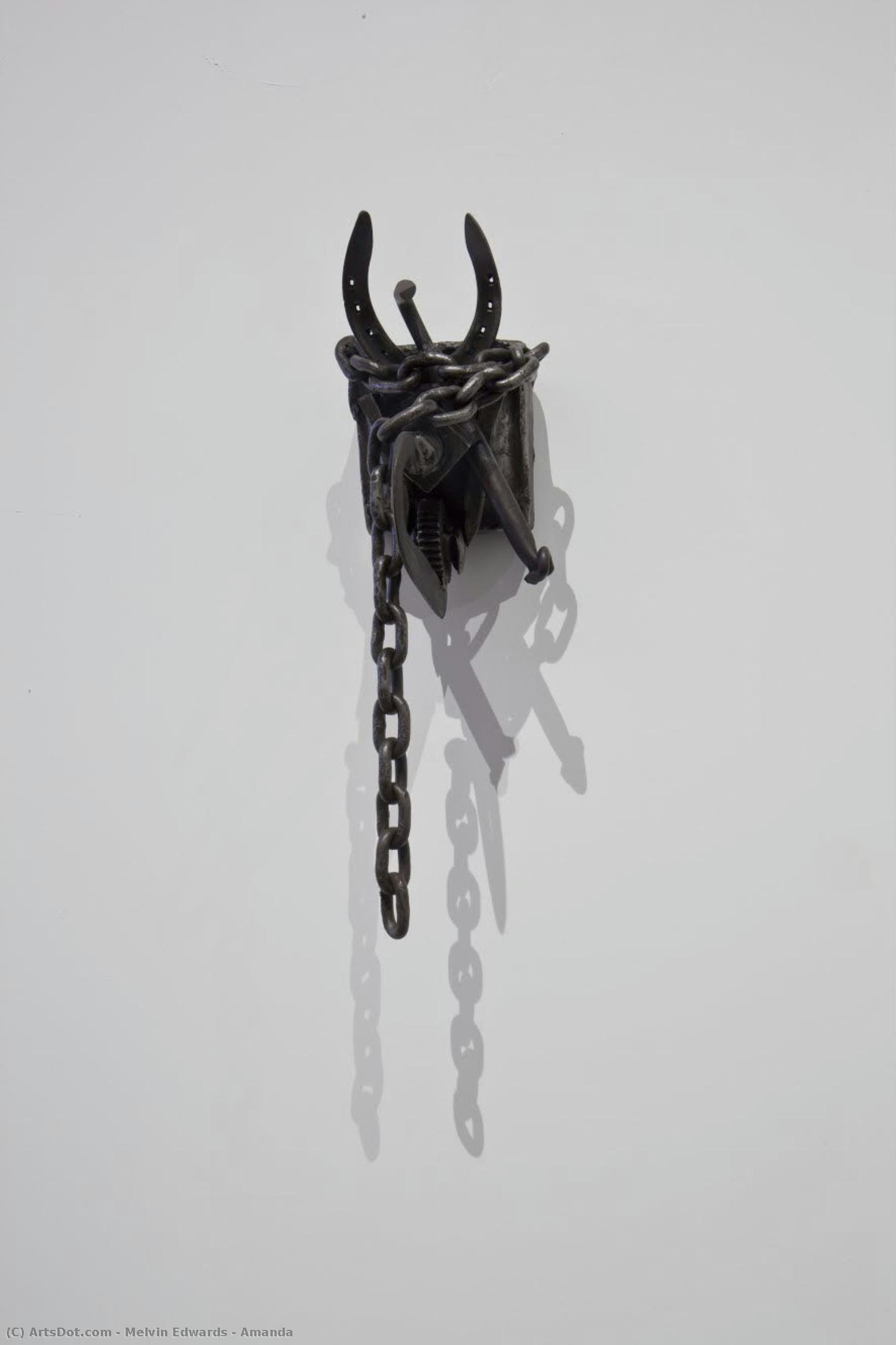
Amanda

A powerful abstract steel relief by Melvin Edwards captures themes of resilience through fragmented forms and industrial textures, offering a profound piece for collectors to explore the depths of contemporary sculpture.

Explore the powerful abstract steel sculptures of Melvin Edwards! Known for his 'Lynch Fragments' & explorations of African-American history, slavery, & political themes. A vital voice in contemporary art.

지클레 / 아트 프린트

빠른 제작과 다양한 마감 옵션을 제공하는 박물관 품질의 지클레이 또는 캔버스 프린트.

Standard
custom
CM
INCH

작품의 원본 비율을 유지하는 미리 설정된 크기 중에서 선택하세요.

가로 너비
세로 길이

특정 프레임이나 공간에 맞춰 직접 치수를 입력하실 수 있습니다. 선택하신 사이즈가 원본 이미지의 비율과 일치하지 않을 경우, 작품을 크롭(자르기)하거나 이미지를 대칭 또는 단색 채우기로 확장하여 제작합니다. 제작 시작 전, 최종 확인을 위해 디지털 목업이 전송됩니다.
화면상의 미리보기는 실제 크롭이나 확장 상태를 반영하지 않으므로, 최종 구도는 오직 목업을 통해서만 정확하게 확인하실 수 있습니다.
맞춤 사이즈 제작도 가능하지만, 원본 비율을 유지하기 위해서는 사전 정의된 목록에서 치수를 선택하시는 것을 권장합니다.

전 세계 배송()은 일반적인 4~5주의 소요 기간 대신 2주 이내에 완료됩니다. (2 7월)

why_choose_icon
전 세계 무료 특급 배송
why_choose_icon
프리미엄 린넨 캔버스
why_choose_icon
전체 배송 보험 보장
why_choose_icon
관세 환불 보장
why_choose_icon
실제 색상 일치 보장
why_choose_icon
60일 이내 반품 정책 (제조 결함 시)
why_choose_icon
100% 환불 보장
why_choose_icon
다량 구매 할인 혜택

총 합계 금액

-

reproduction

Amanda

지클레 / 아트 프린트

복제본 크기

-

최종 결제 금액

-

작품 정보 요약

  • Year: 1981
  • Location: Stephen Friedman Gallery
  • Movement: Abstract Expressionism
  • Medium: Welded Steel
  • Subject or theme: African American History
  • Artistic style: Formal Simplicity
  • Title: Amanda

예술 상식 퀴즈

각 질문의 정답은 하나뿐입니다.

질문 1:
What is Melvin Edwards known for?
질문 2:
What material is 'Amanda' primarily constructed from?
질문 3:
Which artistic movement does Melvin Edwards’ work exemplify?
질문 4:
What is a prominent theme explored in Edwards' sculptures, reflecting his interest in social justice?
질문 5:
Edwards taught at several prestigious art programs. Where was he primarily based during his teaching career?

작품 상세 설명

Melvin Edwards: Sculpting Memory and Resilience

Melvin Edwards (born May 4, 1937) stands as a pivotal figure in contemporary American sculpture, recognized for his distinctive approach to abstraction and his unwavering engagement with themes of African-American history and the legacy of slavery. He is celebrated not merely for his mastery of form but also for his profound ability to imbue his work with emotional resonance—a testament to his understanding that art possesses the power to confront difficult truths and inspire contemplation about human experience. Raised amidst the segregated landscapes of Texas and later embraced by an integrated community in Ohio, Edwards’ formative experiences instilled within him a deep empathy for marginalized voices and fueled his artistic explorations toward confronting injustice. He relocated to California in 1955, initiating his professional art career during his undergraduate studies at UCLA, where he honed foundational skills in painting before transitioning to sculpture and welding techniques in the early 1960s. This decisive shift cemented his commitment to materiality as a conduit for conveying complex narratives—a strategy that would define his artistic trajectory throughout his illustrious career. Edwards’ sculptural journey culminated in a move to New York City in 1967, establishing himself within the vibrant crucible of postwar American art and forging connections with fellow innovators who challenged conventional aesthetic boundaries. His early explorations centered on welding steel, responding to the raw physicality of industrial materials and mirroring the ruggedness he perceived as emblematic of the African American struggle for dignity and equality. These initial works—often characterized by angular forms and asymmetrical compositions—served as a springboard for his subsequent investigations into more expansive conceptual frameworks. The resulting sculptures are not simply objects; they are embodiments of memory, grappling with historical trauma while simultaneously asserting resilience—a duality that underscores Edwards’ artistic vision. The centerpiece of Edwards' oeuvre is undoubtedly the series “Lynch Fragments,” begun in 1963 and continuing to evolve throughout his lifetime. These small, meticulously crafted steel assemblages—often referred to as “spike sculptures”—represent a radical departure from traditional sculptural conventions. Each piece consists of welded metal objects—spikes, scissors, chains, and fragments of industrial scrap—arranged into wall reliefs that defy easy categorization. Edwards himself described these works as metaphors for the experiences of African Americans confronting violence and oppression, referencing the lynching trials of Emmett Till and other pivotal moments in Black history. The deliberate fragmentation of form mirrors the fractured realities faced by individuals navigating systemic discrimination, while the incorporation of industrial materials speaks to the enduring influence of labor—particularly Black labor—within American society. Beyond their symbolic significance, Edwards’ sculptures possess a remarkable aesthetic quality rooted in formal simplicity and uncompromising materiality. He eschews elaborate ornamentation or decorative embellishments, prioritizing instead the inherent qualities of steel—its texture, its weight, its capacity for conveying both strength and vulnerability. The welding process itself is integral to the sculpture's expressive power, transforming raw metal into contorted shapes that appear to have been molded by forces beyond human control. This technique imbues each piece with a palpable sense of dynamism—a suggestion of movement and transformation—reflecting Edwards’ belief that art should engage viewers on an emotional level. The resulting sculptures are striking yet unpretentious, inviting contemplation about the relationship between form and content, materiality and meaning. Edwards' influence extends beyond his own artistic output; he has served as a mentor to generations of aspiring sculptors, fostering a tradition of experimentation and intellectual rigor within American art education. His unwavering dedication to exploring themes of social justice—coupled with his masterful command of sculptural technique—solidifies his position as one of the most important artists of our time. He continues to create monumental outdoor sculptures that engage audiences on a grand scale, furthering his commitment to using art as a tool for dialogue and reflection.

유사한 작품들


작가 약력

Melvin Edwards: Sculpting Memory and Resilience

Melvin Edwards (born May 4, 1937) stands as a pivotal figure in contemporary American sculpture, recognized for his distinctive approach to abstraction and his unwavering engagement with themes of African-American history and the legacy of slavery. Raised amidst the segregated landscapes of Texas and later embraced by an integrated community in Ohio, Edwards’ formative experiences instilled within him a profound understanding of social justice and fueled his artistic explorations. He relocated to California in 1955, initiating his professional art career during his undergraduate studies at UCLA, where he honed foundational skills in painting before transitioning to sculpture and welding techniques in the early 1960s. This pivotal shift cemented his commitment to materiality and form as vehicles for conveying complex narratives. Edwards’ artistic journey culminated in a move to New York City in 1967, establishing himself within the vibrant milieu of postwar abstraction and fostering collaborations with fellow artists who championed experimental approaches. His breakthrough came with the creation of ‘Lynch Fragments,’ a series of small, meticulously crafted steel assemblage sculptures that immediately captivated critics and collectors alike. These reliefs—composed of welded metal objects like spikes, scissors, chains, and other diminutive metal components—are characterized by their geometric precision and deliberate asymmetry, mirroring the fractured realities experienced by African Americans throughout history. The sculptures’ angular forms evoke a sense of tension and fragmentation, reflecting the trauma inflicted by racial oppression while simultaneously asserting an unwavering determination to persevere. Edwards' artistic vision draws heavily from influences ranging from Piet Mondrian’s reductive abstraction to Marcel Duchamp’s conceptual challenges to traditional sculptural conventions. He actively engages with the history of African American art and culture, referencing figures like Jacob Lawrence and Romare Bearden as sources of inspiration. Furthermore, Edwards’ work reflects a broader preoccupation with exploring the psychological impact of trauma—particularly the experience of slavery—through symbolic representations of violence and resilience. His sculptures serve not merely as visual objects but as potent statements about memory, identity, and the enduring struggle for liberation. Notable achievements include solo exhibitions at prestigious institutions such as the Whitney Museum of American Art in New York City, LACMA in Los Angeles, and the NJ State Museum in Trenton, showcasing his groundbreaking sculptural oeuvre to a global audience. His participation in over forty group exhibitions underscores his commitment to dialogue within the artistic community and contributes to a broader understanding of contemporary sculpture’s role in confronting social issues. Edwards continues to produce compelling artwork today, cementing his legacy as one of America's most important sculptors of our time.
melvin edwards

melvin edwards

1937 - , United States of America

주요 정보

  • Artistic Movement Or Style: Abstract Sculpture
  • Date Of Birth: May 4, 1937
  • Full Name: Melvin Edwards
  • Nationality: American
  • Notable Artworks:
    • Lynch Fragments
    • Working Thought
  • Place Of Birth: Houston, United States