무료 아트 컨설팅

x
프린트 구매하기 프린트 구매하기이미지 구매하기 이미지 구매하기 공유하기공유하기
상세 정보상세 정보 즐겨찾기에 추가 즐겨찾기에 추가 다운로드다운로드 유사 작품유사 작품 X-레이X-레이 슬라이드 쇼슬라이드 쇼

untitled (2948)

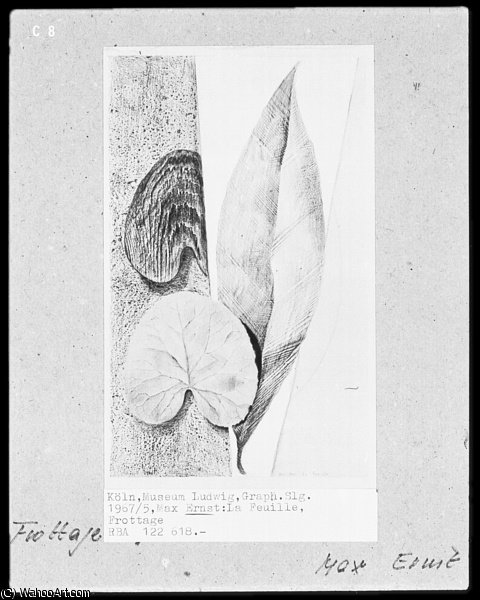
Explore Max Ernst's surreal 'untitled (2948)' – a captivating collage blending natural elements and dreamlike imagery, showcasing his pioneering Dada & Surrealist style.

초현실주의 거장 맥스 에른스트(1891-1976)의 꿈결 같은 세계를 탐험하세요! 독창적인 프로타주 기법과 콜라주, 그리고 새와 풍경을 소재로 한 심리적 그림들을 만나보세요. 다다이즘과 초현실주의 미술사에 큰 획을 그은 그의 작품 세계를 경험하십시오.

수제 유화 복제품

원하는 크기와 액자로 주문 제작되는, 작가들이 직접 캔버스에 손으로 그린 유화 작품입니다.

P118B $10
P118H $10
P118W $10
P438Z $10
P508JH $12
P508YH $12
P805H $10
P805Z $10
P919BZ $10
P919G $10
P919XJ $10
P959ZH $10
P968JZ $12
W106C $8
W218G $10
W218JH $8
W218Y $10
W307PJ $10
W316G $10
W316PJ $8
W316Y $10
W398PJ $8
W4111J $10
W500HY $15
W500JH $15
W692G $12
W849H $8
W940BG $15
W953PJ $8

Standard
custom
CM
INCH

작품의 원본 비율을 유지하는 미리 설정된 크기 중에서 선택하세요.

가로 너비
세로 길이

특정 프레임이나 공간에 맞도록 직접 크기를 입력할 수 있습니다. 선택하신 크기가 원본 이미지의 비율과 일치하지 않는 경우, 작품을 자르거나 추가적인 손으로 그린 요소를 사용하여 그림을 확장합니다. 제작 시작 전 승인을 위해 디지털 목업을 보내드립니다.
화면 미리 보기는 실제 자르기 또는 확장을 반영하지 않습니다. 최종 구성은 목업을 통해서만 정확하게 확인하실 수 있습니다.
맞춤 크기 제작도 가능하지만, 원본 비율을 유지하기 위해 사전 정의된 목록에서 크기를 선택하시는 것을 권장합니다.

변경 가능한 예시: 얼굴을 고객의 사진으로 교체, 반려동물 추가(예: 고양이를 강아지로 변경), 배경에 숨겨진 메시지 삽입, 배경 풍경 또는 요소 변경 등
주문 후 WahooArt.com 팀에서 상세 안내를 위해 고객님께 이메일을 보내드리며, 미리보기 시안을 제공해 드립니다.

전 세계 배송()은 표준 5주 대신 3~4주 내에 완료됩니다. (2 7월). 품질에는 어떠한 타협도 하지 않습니다.

why_choose_icon
전 세계 무료 특급 배송
why_choose_icon
프리미엄 린넨 캔버스
why_choose_icon
전체 배송 보험 보장
why_choose_icon
관세 환불 보장
why_choose_icon
실제 색상 일치 보장
why_choose_icon
60일 이내 반품 정책 (제조 결함 시)
why_choose_icon
100% 환불 보장
why_choose_icon
다량 구매 할인 혜택

총 합계 금액

-

reproduction

untitled (2948)

재현 기법

복제본 크기

-

최종 결제 금액

-

작품 정보 요약

  • Notable elements: Collage, Shells, Bark
  • Title: untitled (2948)
  • Subject: Natural Elements
  • Medium: Photograph
  • Artist: Max Ernst
  • Style: Dreamlike, Surreal

예술 상식 퀴즈

각 질문의 정답은 하나뿐입니다.

질문 1:
What artistic movement is most closely associated with Max Ernst’s work depicted in this photograph?
질문 2:
The photograph features a drawing or collage. What technique is most prominently displayed in the image, suggesting Ernst’s approach to creating this artwork?
질문 3:
Based on the description, what is one of the key elements that contributes to the surreal atmosphere of this artwork?
질문 4:
Max Ernst was a significant figure in early 20th-century art. What event significantly impacted his life and artistic career during World War I?
질문 5:
The handwritten notations visible in the photograph likely represent:

작품 상세 설명

A Surrealist Echo: Unpacking the Layers of “Untitled (2948)”

Max Ernst's "Untitled (2948)" isn’t merely a depiction of natural elements; it’s an invitation into a meticulously constructed dreamscape. Born in 1891 and profoundly shaped by his experiences during World War I, Ernst was a master of disrupting the familiar, employing techniques like frottage and collage to excavate the subconscious. This particular work, rendered in stark black and white, exemplifies this approach perfectly – a deliberate fragmentation of reality that speaks volumes about the artist’s anxieties and fascination with the irrational.

The photograph itself possesses an aged quality, hinting at its origins as a reproduction or archival image. Handwritten notations, likely signatures and dates, are subtly integrated into the composition, grounding the surreal elements within a tangible history. A rectangular label, visible in the lower center, further contextualizes the piece, suggesting it was intended for exhibition or perhaps a private collection. The deliberate choice of monochrome amplifies the impact of each element, forcing the viewer to engage with texture and form on a deeper level.

Deconstructing the Composition: A Stage for the Unconscious

The arrangement within the frame feels remarkably staged, yet simultaneously organic. Ernst doesn’t simply present us with a collection of objects; he orchestrates them into a carefully balanced tableau. The curve of the shell, a recurring motif in Ernst's work, provides a dynamic counterpoint to the linear precision of the leaves and bark. This juxtaposition immediately establishes a sense of tension – a harmonious discord that is characteristic of Surrealist aesthetics.

The layering of these elements creates a shallow depth of field, pulling the viewer into the scene without offering easy escape. There’s no dramatic perspective or illusionistic space; instead, Ernst favors a flattened composition, emphasizing the tactile qualities of each surface and inviting close inspection. The deliberate clustering of objects in the center draws our attention to their interplay, suggesting that the entire arrangement is a symbolic puzzle waiting to be solved.

Symbolism Woven into Texture: Echoes of the Dream

The textures themselves are crucial to understanding the work’s emotional resonance. The smooth, polished surface of the shell contrasts sharply with the rough, fibrous texture of the bark and the delicate veins of the leaves. These tactile differences aren't merely descriptive; they represent a symbolic dialogue between the natural world and the artist’s internal landscape. The fragmented nature of the composition – broken shells, scattered leaves – mirrors the fractured state of consciousness often explored in Surrealist art.

Furthermore, the arrangement evokes a sense of displacement and mystery. The objects are presented without context or narrative, prompting viewers to project their own interpretations onto the scene. The combination of familiar natural forms rendered in an unexpected manner taps into primal anxieties about the unknown – a feeling that is powerfully conveyed through Ernst’s masterful manipulation of form and texture.

A Legacy of Innovation: Max Ernst and the Surrealist Movement

Max Ernst's influence on 20th-century art is undeniable. His pioneering techniques, particularly frottage and collage, revolutionized painting and paved the way for subsequent generations of artists. Born in Brühl, Germany, in 1891, Ernst’s early life was marked by a rebellious spirit and a deep engagement with philosophical ideas. He spent time studying at the University of Bonn, where he developed an interest in psychology and art history – influences that would profoundly shape his artistic vision.

His involvement with Dada and Surrealism cemented his place as a key figure in the avant-garde movement. Ernst’s work consistently challenged conventional notions of beauty and representation, exploring themes of memory, desire, and the subconscious. “Untitled (2948)” stands as a testament to his enduring legacy – a captivating example of Surrealist artistry that continues to resonate with viewers today.

유사한 작품들


작가 약력

막스 에른스트: 초현실의 탐험가

막스 에른스트(Maximilian Maria Ernst, 1891년 4월 2일 – 1976년 4월 1일)는 독일 브흘에서 태어나 프랑스를 대표하는 20세기 가장 중요한 예술가 중 한 명으로 자리매김했습니다. 그의 삶은 끊임없는 변화와 실험의 여정이었으며, 철학적 탐구, 심리적 매혹, 그리고 사회 규범에 대한 깊은 불만족을 연료로 삼아 초현실주의라는 독특한 예술 세계를 구축했습니다. 아버지 필립 에른스트는 청각 장애인을 가르치는 교사이자 아마추어 화가였으며, 막스에게 세상에 대한 민감성과 확고한 권위에 대한 반항심을 심어주었습니다. 이러한 이중성은 그의 예술적 비전을 정의하는 특징이 되었습니다.

막스는 본 대학교에서 철학, 미술사, 문학, 심리학, 정신의학 등 다양한 분야를 공부하며 지적인 깊이를 더했습니다. 그는 단순히 그림 그리는 방법을 배우는 데 만족하지 않고, 왜 그림을 그려야 하는지에 대한 근본적인 질문에 답하려 했습니다. 이러한 지적 호기심은 1912년 쾰른에서 열린 순데르분트 전시에 참여하면서 피카소, 고흐, 고갱의 혁신적인 작품들을 접하며 그의 예술적 방향을 완전히 바꾸는 계기가 되었습니다. 현대 미술의 씨앗이 뿌려진 순간이었습니다.

다다의 파괴와 초현실주의 비전의 탄생

제1차 세계 대전은 막스의 삶에 결정적인 전환점이 되었습니다. 동부 및 서부 전선에서 군인으로 복무하며 겪은 충격적인 경험은 기존 질서에 대한 깊은 회의감을 불러일으켰고, 새로운 표현 방식을 갈망하게 만들었습니다. 이러한 불만족은 1918년 독일로 돌아와 다다이즘 운동에 적극적으로 참여하면서 해소되었습니다. 막스는 한스 아르프와 함께 다다 그룹의 핵심 인물이 되어 전통적인 예술적 규범을 거부하고, 부조리함과 우연성, 비합리성을 포용했습니다.

그러나 다다이즘은 단지 발판에 불과했습니다. 1920년대 초반, 막스는 파리로 이주하여 안드레 브르통의 지도 아래 초현실주의 운동에 합류하며 새로운 장을 열었습니다. 이는 꿈의 영역, 무의식, 그리고 비합리적인 측면을 탐구하는 전환점이 되었습니다. 지그문트 프로이트의 정신분석학 이론에 영향을 받아 막스는 자신의 예술을 통해 인간 경험의 숨겨진 깊이를 밝혀내고자 했습니다. 그는 현실이 보이는 대로 묘사하기보다는 그것을 형성하는 근본적인 심리적 힘을 드러내는 데 관심을 가졌습니다.

혁신적인 기법: 프로타주, 그라따주, 콜라주

막스의 예술적 혁신은 주제뿐만 아니라 기법에도까지 확장되었습니다. 그는 기존의 방법을 단순히 채택하는 대신 새로운 기법을 끊임없이 실험했습니다. 아마도 그의 가장 유명한 공헌은 나무 결을 관찰하던 지루함에서 비롯된 프로타주(frottage)일 것입니다. 이 기술은 표면에 연필이나 목탄을 문질러 예상치 못한 표현력과 매력을 지닌 이미지를 만들어냈습니다. 막스는 이러한 과정을 통해 무의식에 접근하고 의식적인 통제 없이 형태를 생성할 수 있었습니다. 밀접하게 관련된 기법인 그라따주(grattage)는 캔버스 위에 페인트를 긁어내어 아래층을 드러내는 방식입니다.

또한 그는 잡지 이미지, 과학 일러스트레이션, 사진 등 다양한 요소를 초현실적인 구성으로 조립하는 콜라주(collage)를 능숙하게 활용했습니다. 이러한 기법은 단순한 스타일적 선택이 아니라 무의식을 탐구하고 전통적인 예술적 경계를 파괴하려는 그의 열망과 밀접하게 연결되어 있었습니다. 그의 그림에는 종종 새(특히 자신의 또 다른 모습인 로플롭), 황량한 풍경, 불안정한 대비, 그리고 짙은 신비감이 나타납니다.

혁신과 영향의 유산

제2차 세계 대전 발발로 인해 막스는 유럽을 떠나 미국에서 피난처를 찾아야 했습니다. 그는 망명 생활 동안에도 새로운 기법을 실험하며 그림 그리기를 멈추지 않았고, 전쟁 이후 프랑스로 돌아와 활동적인 삶을 이어갔습니다. 1976년 4월 1일 파리에서 세상을 떠날 때까지 그의 예술은 끊임없이 진화했습니다.

막스 에른스트의 다다이즘과 초현실주의에 대한 공헌은 혁명적이었으며, 예술적 규범에 도전하고 무의식의 깊이를 탐구하며 오늘날에도 예술가들에게 영감을 주는 혁신적인 기법을 창조했습니다. 그는 단순한 화가가 아니라 탐험가이자 선동가이며, 예술 자체의 경계를 확장시킨 선지자였습니다. 그의 작품은 상상력의 힘, 비이성적 매력, 그리고 인간 정신의 복잡성을 이해하려는 끊임없는 노력에 대한 증거입니다.

  • 주요 작품: 전체 도시, 에우클리데스, 이 남자들은 이것을 알지 못한다, 숲과 비둘기
  • 영향을 받은 예술가: 파블로 피카소, 빈센트 반 고흐, 폴 고갱, 지그문트 프로이트, 조르조 데 키리코
  • 운동: 다다, 초현실주의
막스 에른스트

막스 에른스트

1891 - 1976 , 독일

주요 정보

  • 국적: 독일-미국, 프랑스
  • 사망일: 1976년 4월 1일
  • 영향을 받은 예술 사조:
    • 초현실주의
    • 다다
  • 영향을 준 예술가:
    • 파블로 피카소
    • 빈센트 반 고흐
    • 폴 고갱
    • 조르주 드 키리코
  • 예술 사조: 다다이즘, 초현실주의
  • 전체 이름: 막스 에른스트
  • 주요 작품:
    • 전체 도시
    • 유클리데스
    • 이것에 대해 사람은 아무것도 모를 것이다
    • 숲과 비둘기
  • 출생일: 1891년 4월 2일
  • 출생지: 브륄, 독일
테마, 스타일 및 특징별로 분류된 작품들을 만나보세요.