

이 페이지에 표시된 작품은 저작권법의 보호를 받으며, 이에 따라 동일한 복제품을 제작하거나 판매하는 것은 법으로 금지되어 있습니다. 이러한 권리 보호는 다음과 같은 국제 협약에 따라 시행됩니다. 베른 협약 또한 다음에서 명시하는 법률을 포함한 국내법에 의해 보호됩니다. 미국 저작권법 제17조.
이 방식은 저작권 보호를 받는 예술 작품을 복제하거나 그대로 재현하는 것이 아니기에 저작권 규정을 완벽히 준수합니다. 대신, 이는 창의적인 재해석의 과정을 거칩니다. 즉, 원작에서 영감을 받되 원작과 동일하지 않은 새로운 회화 작품을 의미합니다.
빠른 제작과 다양한 마감 옵션을 선택할 수 있는 박물관 수준의 지클레이 및 캔버스 프린트. ( 수작업 채색 복제본 주문하기 디지털 이미지 판매 채널로 전환)





























작품의 원본 비율을 그대로 유지하는 프리셋 사이즈 중에서 선택해 보세요.

액자나 벽면 크기에 맞춰 필요한 가로와 세로 길이를 입력해 주세요. 프린트는 원본 이미지보다 크게 제작할 수 없으며 오직 자르는 것만 가능하므로, 비율이 다른 사이즈를 선택할 경우 이미지의 일부가 잘려 나갈 수 있습니다. 인쇄 작업에 들어가기 전, 최종 확인을 위해 디지털 목업을 보내드립니다. 이 페이지에 표시된 이미지는 실제 잘리는 영역을 나타내지 않으며, 오직 목업을 통해서만 정확한 확인이 가능합니다.
Muschelblume
복제본 규격
Max Ernst’s “Muschelblume” – literally "Shell Flower" – is not merely a depiction of a seashell; it's an invitation into the deeply personal and intellectually charged world of one of 20th-century art’s most enigmatic figures. Painted in 1928, this seemingly simple composition—a stark blue background juxtaposed with a curiously shaped white shell—holds within it layers of surrealist exploration, psychological insight, and Ernst's signature innovative techniques. The painting immediately draws the eye to the shell itself, its irregular contours suggesting both fragility and resilience, an echo of the natural world filtered through the artist’s uniquely distorted vision.
Ernst, a restless spirit born in Brühl, Germany, was far more than just a painter; he was a relentless investigator of consciousness. His early exposure to philosophy, art history, and even psychology profoundly shaped his artistic practice. He wasn't interested in replicating reality but rather in excavating the subconscious, using techniques like *frottage* – rubbing textured surfaces onto paper – and *grattage* – scraping paint across canvas – to reveal hidden imagery and emotional resonances. “Muschelblume” exemplifies this approach; the shell’s form isn't rendered with photographic precision but rather emerges from a process of intuitive exploration, hinting at a dreamlike state.
The deliberate use of color is crucial to understanding the painting’s impact. The deep blue background isn’t merely a backdrop; it's an active participant in the composition, creating a sense of depth and mystery. It evokes the vastness of the ocean, suggesting both tranquility and potential danger – mirroring the complexities of the human psyche that Ernst often explored. The shell itself is rendered in stark white, almost luminous against the blue, emphasizing its form and drawing attention to its unusual shape. This contrast creates a visual tension, inviting the viewer to contemplate the object’s significance.
Ernst's technique further contributes to the painting’s surreal quality. The shell isn’t smoothly rendered; there are visible brushstrokes, suggesting a process of creation rather than meticulous representation. The slight distortions in its form hint at a deliberate manipulation of reality, aligning with the core tenets of Surrealism – exploring the realm of dreams and the unconscious mind. It's as if Ernst is not simply painting a shell but capturing a fleeting impression from a subconscious memory.
“Muschelblume” can be interpreted through several lenses, reflecting Ernst’s broader artistic concerns. Shells are often associated with the sea, representing both life and death, fertility and decay – potent symbols of transformation and rebirth. The flower element adds another layer of meaning, suggesting growth, beauty, and the ephemeral nature of existence. Considering Ernst's fascination with birds (often depicted as his alter ego, Loplop), it’s possible to see the shell as a vessel for a winged creature, further blurring the boundaries between reality and fantasy.
Painted in 1928, during a period of intense experimentation within the Surrealist movement, “Muschelblume” aligns with Ernst's exploration of automatism – a technique aimed at bypassing conscious control and allowing the unconscious to guide the creative process. This painting stands as a testament to his ability to tap into this hidden realm, producing works that are both visually arresting and psychologically profound. It’s a key example of his early work, demonstrating the foundations upon which he would build his career as a pioneering surrealist artist.
WahooArt offers meticulously hand-painted reproductions of "Muschelblume," allowing you to experience the captivating beauty and intellectual depth of this iconic artwork in your own space. Our skilled artists faithfully recreate Ernst’s unique style, capturing the subtle nuances of color, texture, and form with exceptional detail. Whether displayed as a striking centerpiece or incorporated into a larger collection, a WahooArt reproduction of “Muschelblume” will serve as a constant source of inspiration and contemplation – a window into the surreal world of Max Ernst.
"Muschelblume"은(는) Mysterious 느낌을 전달합니다. 이 정서적 톤은 작품이 주는 인상을 설명합니다.
막스 에른스트의 "Muschelblume"에서는 Surrealism 사조와 근대 미술 시대가 만납니다.
막스 에른스트의 "Muschelblume"은(는) Living Room에 추천하는 작품입니다. 이 제안은 작품의 주제, 색상 및 분위기를 바탕으로 합니다.

막스 에른스트(Maximilian Maria Ernst, 1891년 4월 2일 – 1976년 4월 1일)는 독일 브흘에서 태어나 프랑스를 대표하는 20세기 가장 중요한 예술가 중 한 명으로 자리매김했습니다. 그의 삶은 끊임없는 변화와 실험의 여정이었으며, 철학적 탐구, 심리적 매혹, 그리고 사회 규범에 대한 깊은 불만족을 연료로 삼아 초현실주의라는 독특한 예술 세계를 구축했습니다. 아버지 필립 에른스트는 청각 장애인을 가르치는 교사이자 아마추어 화가였으며, 막스에게 세상에 대한 민감성과 확고한 권위에 대한 반항심을 심어주었습니다. 이러한 이중성은 그의 예술적 비전을 정의하는 특징이 되었습니다.
막스는 본 대학교에서 철학, 미술사, 문학, 심리학, 정신의학 등 다양한 분야를 공부하며 지적인 깊이를 더했습니다. 그는 단순히 그림 그리는 방법을 배우는 데 만족하지 않고, 왜 그림을 그려야 하는지에 대한 근본적인 질문에 답하려 했습니다. 이러한 지적 호기심은 1912년 쾰른에서 열린 순데르분트 전시에 참여하면서 피카소, 고흐, 고갱의 혁신적인 작품들을 접하며 그의 예술적 방향을 완전히 바꾸는 계기가 되었습니다. 현대 미술의 씨앗이 뿌려진 순간이었습니다.
제1차 세계 대전은 막스의 삶에 결정적인 전환점이 되었습니다. 동부 및 서부 전선에서 군인으로 복무하며 겪은 충격적인 경험은 기존 질서에 대한 깊은 회의감을 불러일으켰고, 새로운 표현 방식을 갈망하게 만들었습니다. 이러한 불만족은 1918년 독일로 돌아와 다다이즘 운동에 적극적으로 참여하면서 해소되었습니다. 막스는 한스 아르프와 함께 다다 그룹의 핵심 인물이 되어 전통적인 예술적 규범을 거부하고, 부조리함과 우연성, 비합리성을 포용했습니다.
그러나 다다이즘은 단지 발판에 불과했습니다. 1920년대 초반, 막스는 파리로 이주하여 안드레 브르통의 지도 아래 초현실주의 운동에 합류하며 새로운 장을 열었습니다. 이는 꿈의 영역, 무의식, 그리고 비합리적인 측면을 탐구하는 전환점이 되었습니다. 지그문트 프로이트의 정신분석학 이론에 영향을 받아 막스는 자신의 예술을 통해 인간 경험의 숨겨진 깊이를 밝혀내고자 했습니다. 그는 현실이 보이는 대로 묘사하기보다는 그것을 형성하는 근본적인 심리적 힘을 드러내는 데 관심을 가졌습니다.
막스의 예술적 혁신은 주제뿐만 아니라 기법에도까지 확장되었습니다. 그는 기존의 방법을 단순히 채택하는 대신 새로운 기법을 끊임없이 실험했습니다. 아마도 그의 가장 유명한 공헌은 나무 결을 관찰하던 지루함에서 비롯된 프로타주(frottage)일 것입니다. 이 기술은 표면에 연필이나 목탄을 문질러 예상치 못한 표현력과 매력을 지닌 이미지를 만들어냈습니다. 막스는 이러한 과정을 통해 무의식에 접근하고 의식적인 통제 없이 형태를 생성할 수 있었습니다. 밀접하게 관련된 기법인 그라따주(grattage)는 캔버스 위에 페인트를 긁어내어 아래층을 드러내는 방식입니다.
또한 그는 잡지 이미지, 과학 일러스트레이션, 사진 등 다양한 요소를 초현실적인 구성으로 조립하는 콜라주(collage)를 능숙하게 활용했습니다. 이러한 기법은 단순한 스타일적 선택이 아니라 무의식을 탐구하고 전통적인 예술적 경계를 파괴하려는 그의 열망과 밀접하게 연결되어 있었습니다. 그의 그림에는 종종 새(특히 자신의 또 다른 모습인 로플롭), 황량한 풍경, 불안정한 대비, 그리고 짙은 신비감이 나타납니다.
제2차 세계 대전 발발로 인해 막스는 유럽을 떠나 미국에서 피난처를 찾아야 했습니다. 그는 망명 생활 동안에도 새로운 기법을 실험하며 그림 그리기를 멈추지 않았고, 전쟁 이후 프랑스로 돌아와 활동적인 삶을 이어갔습니다. 1976년 4월 1일 파리에서 세상을 떠날 때까지 그의 예술은 끊임없이 진화했습니다.
막스 에른스트의 다다이즘과 초현실주의에 대한 공헌은 혁명적이었으며, 예술적 규범에 도전하고 무의식의 깊이를 탐구하며 오늘날에도 예술가들에게 영감을 주는 혁신적인 기법을 창조했습니다. 그는 단순한 화가가 아니라 탐험가이자 선동가이며, 예술 자체의 경계를 확장시킨 선지자였습니다. 그의 작품은 상상력의 힘, 비이성적 매력, 그리고 인간 정신의 복잡성을 이해하려는 끊임없는 노력에 대한 증거입니다.

1891 - 1976 , 독일

Immerse yourself in the captivating world of slate blue! Explore 10 iconic paintings by Monet, Van Gogh & Renoir. Discover their stories, techniques & find museum-quality art reproductions for your home at .
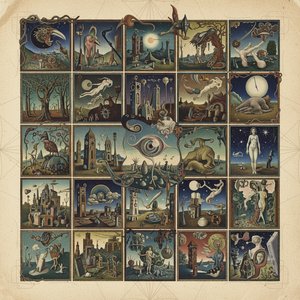
맥스 어른스트 최고 걸작 25선을 만나보세요. 초현실주의 화가 어른스트의 꿈, 무의식, 혁신적인 기법이 담긴 명화들을 감상하고, 공간에 예술적 영감을 불어넣으세요. WahooArt.com에서 고품질 미술 작품을 컬렉션하세요.

추상표현주의의 심장을 뛰게 한 10대 걸작을 만나보세요. 폴록, 로스코 등 거장의 작품 비하인드 스토리와 예술적 영감을 WahooArt에서! 지금 바로 미술품 컬렉션을 탐험하고, 당신의 공간에 특별한 예술적 감성을 더하세요. WahooArt.com

Journey through Wassily Kandinsky's 25 most iconic abstract paintings. Explore his revolutionary use of color, form & spiritual expressionism. Find museum-quality Kandinsky reproductions and elevate your home decor with WahooArt.com. Discover all masterpieces on WahooArt.com!

Transform your home with soulful blue art. From serene Monet impressions to modern textured sculptures, discover curated masterpieces designed to inspire calm. Explore expert art consultations and bespoke hand-painted reproductions to create your personal sanctuary.

 실제 크기로 보기
 보내기
보내기 공유하기
공유하기
 상세 보기
상세 보기 가이드 보기

 이미지 다운로드
 유사 작품 더 보기
 X-레이
X-레이 슬라이드 쇼 보기
 통계 정보
통계 정보
 상세 보기
상세 보기









 유리 옵션은 110cm 미만 크기에서만 선택 가능합니다.


